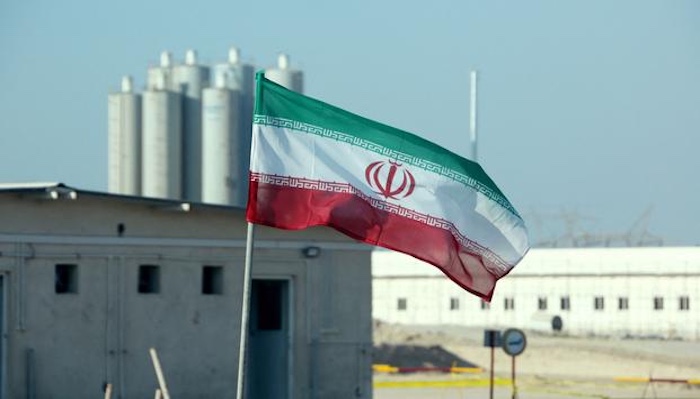
Iran has issued a fresh threat to target tourist and recreational sites worldwide, even as it insists missile production remains ongoing nearly three weeks into the war with the US and Israel.
The warning came from Iran’s military leadership as the conflict, triggered by US-Israeli strikes on Iran, continues to intensify, with widespread attacks on military, energy and strategic infrastructure.
Iran’s top military spokesman, Gen. Abolfazl Shekarchi, said Friday that “parks, recreational areas and tourist destinations” worldwide would not be safe for Tehran’s enemies, raising fears of attacks beyond the Middle East.
At the same time, Iran maintained it is still producing missiles despite sustained bombardment. A spokesperson for the Revolutionary Guard said: “We are producing missiles even during war conditions, which is amazing, and there is no particular problem in stockpiling.”
Iran’s Supreme Leader Mojtaba Khamenei, in a statement marking Nowruz, praised citizens for resilience and dismissed the impact of US and Israeli strikes. He said the attacks were based on an illusion that eliminating top leaders would lead to regime collapse.
He commended Iranians for “building a nationwide defensive front” and “delivering such a bewildering blow that the enemy fell into contradictions and irrational statements.”
The conflict has already claimed significant casualties, including top Iranian military and political figures, while airstrikes have targeted key facilities across the country.
Meanwhile, the US has expanded its military presence in the region, deploying additional warships and about 2,500 Marines, as tensions escalate further.
Iran has also intensified attacks on energy infrastructure across Gulf states. Strikes targeted oil facilities in Kuwait and triggered fires, while Bahrain and Saudi Arabia reported intercepting projectiles and drones.
Explosions were also heard in Dubai as air defences responded to incoming threats during Eid al-Fitr celebrations.
The war has disrupted global oil flows, particularly through the Strait of Hormuz, a critical route for global energy supplies. Brent crude prices have surged to about $108 per barrel, up sharply from pre-war levels.
US President Donald Trump criticised NATO allies for refusing to support operations in the region, calling them “COWARDS” and declaring: “NATO IS A PAPER TIGER.”
Beyond the battlefield, the economic fallout is spreading globally, with disruptions affecting key raw materials and supply chains, raising fears of prolonged inflation in food, fuel and consumer goods.
Despite heavy losses and sustained airstrikes, Iran’s continued missile production and expanded threats signal a conflict with no immediate end in sight.
Faridah Abdulkadiri
About the Author