Tehran dismisses reports of blocking the vital global oil shipping route as tensions rise across the Middle East and maritime security concerns grow……
The government of Iran has denied reports suggesting it shut down the strategic Strait of Hormuz, a key maritime route for global energy shipments, amid the escalating conflict involving the United States, Israel, and Iran.
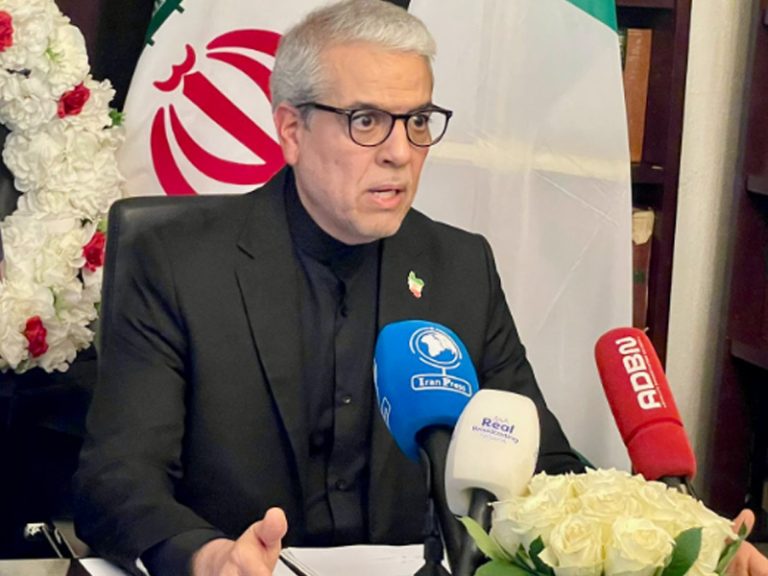
The clarification was issued Thursday in a statement published via the official X account of the Permanent Mission of the Islamic Republic of Iran to the United Nations in New York.
The statement followed widespread speculation that Tehran had restricted or closed the vital waterway as hostilities in the region intensified.
Iran Rejects Allegations
Iran’s mission to the United Nations dismissed the reports as inaccurate, insisting that maritime navigation through the strait continues in accordance with international law.
“The claim that Iran closed the Strait of Hormuz is baseless and absurd. Iran remains committed to international law and freedom of navigation,” the mission said.
According to the statement, allegations that Tehran had blocked the shipping route misrepresented the country’s stance on international maritime navigation.
Iran also suggested that threats to maritime security in the region were linked to actions taken by the United States during the ongoing conflict.
Strategic Oil Route Under Pressure
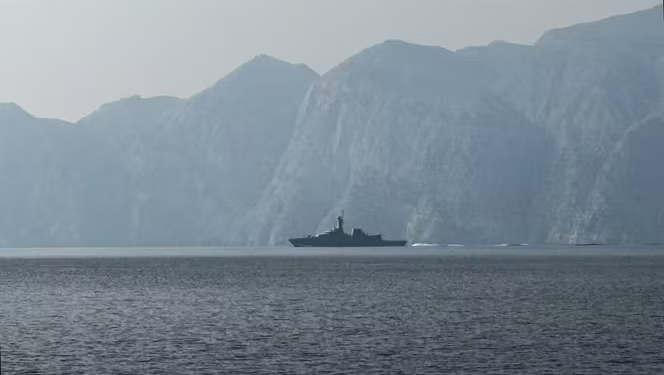
Despite the denial, shipping activity through the Strait of Hormuz has slowed significantly since hostilities escalated between Israel, the United States, and Iran.
The narrow waterway is one of the most critical energy corridors in the world, carrying about one-fifth of global oil shipments along with large volumes of liquefied natural gas.
Shortly after the conflict intensified, at least 150 vessels, including oil and LNG tankers, were reported anchored within the strait and surrounding waters.
Many tankers clustered near the coasts of Iraq, Saudi Arabia, and Qatar amid concerns that navigation through the route could be restricted.
Insurers Pull War Risk Coverage
The escalating tensions have also prompted major marine insurers to withdraw war risk coverage for ships operating in the region.
Shipping protection clubs including Gard, Skuld, NorthStandard, London P&I Club, and American Club issued notices cancelling insurance protection for vessels sailing through Iranian waters and surrounding Gulf routes.
The move has increased concerns within the global shipping industry, as vessels operating without war risk insurance face higher financial exposure.
Meanwhile, U.S. President Donald Trump earlier indicated that the United States Navy could escort commercial vessels through the Strait of Hormuz to prevent disruptions to global energy supplies.
Naval Incident Raises Security Fears
Regional tensions escalated further after an Iranian naval vessel was reportedly destroyed in an incident involving U.S. forces in the Indian Ocean.
Reports indicate that a U.S. military submarine sank the Iranian frigate IRIS Dena off the coast of Sri Lanka.
The explosion occurred roughly 25 miles south of the island nation, according to reports citing U.S. officials.
Sri Lanka’s navy rescued 32 individuals following the incident, though about 148 sailors were still missing at the time of the report.
Iran said the warship had been returning from a visit to India when it was struck in international waters, describing the attack as reckless and a violation of international law and maritime freedom.
Energy Infrastructure Also Hit
The widening conflict has already begun affecting energy infrastructure across the Middle East, raising fears of disruptions to global oil and gas supply.
Energy giant Saudi Aramco temporarily suspended operations at its Ras Tanura refinery, which has a capacity of 550,000 barrels per day, after a drone strike linked to Iran’s retaliatory actions.
Similarly, QatarEnergy halted some downstream operations following attacks on its LNG facilities in Ras Laffan Industrial City and Mesaieed Industrial City.
The ripple effects are already being felt in other oil-importing countries. In Nigeria, the Nigerian National Petroleum Company Limited recently increased the pump price of petrol at its retail outlets in Abuja to ₦960 per litre, up from ₦875.
At the same time, the Dangote Petroleum Refinery raised its ex-depot petrol price by ₦100, bringing it to ₦874 per litre from ₦774.
Analysts warn that if tensions continue to escalate, the conflict could further disrupt energy markets and drive oil prices even higher globally.
About the Author