India’s telecom ministry has ordered all major smartphone manufacturers to preload a government-owned cybersecurity application on new devices, a move that is expected to trigger resistance from Apple and other global phone makers.
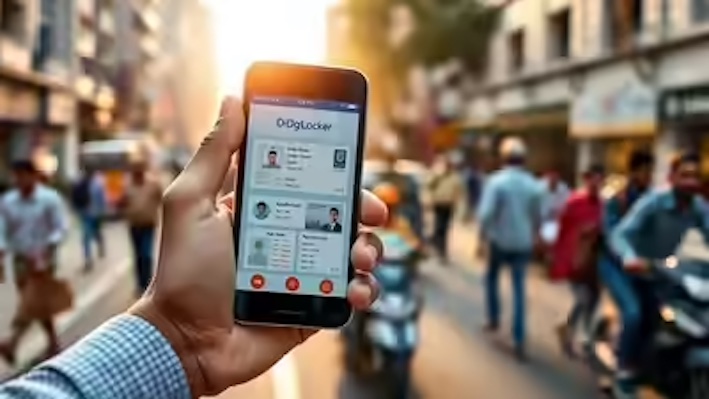
According to a November 28 directive seen by Reuters, companies including Apple, Samsung, Vivo, Oppo and Xiaomihave been given 90 days to ensure the Sanchar Saathi app is installed on every new smartphone sold in India. The order also states that the app cannot be disabled by users.
For devices already in the supply chain, manufacturers must push the app through an over-the-air software update, effectively making the installation mandatory across all major brands.
India, one of the world’s largest mobile markets with more than 1.2 billion subscribers, launched Sanchar Saathi in January. Government figures show the app has helped recover over 700,000 lost phones to date, including 50,000 in October alone, and has blocked more than 3.7 million stolen or lost devices. It has also helped terminate over 30 million fraudulent mobile connections.
The app allows users to verify IMEI numbers, report suspicious calls, and block stolen devices through a centralised tracking system designed to curb scams linked to duplicate or spoofed IMEI numbers. Authorities say it is essential to combating what they describe as a “serious endangerment” to India’s telecom cybersecurity.
However, Apple has historically pushed back against mandated government apps. A source familiar with Apple’s operations said the company’s internal policies forbid the pre-installation of third-party or government apps before a device is sold, setting up a potential confrontation similar to its previous clash with India’s telecom regulator over an anti-spam app.
Apple, Samsung and Xiaomi did not respond to requests for comment, and India’s telecom ministry has not publicly addressed industry concerns. Two industry officials, speaking anonymously, said the directive came without consultation, raising worries about privacy, user choice and operational feasibility.
Despite the concerns, the government maintains that the app strengthens digital safety, helps police track stolen devices, and keeps counterfeit phones off the market in one of the world’s fastest-growing technology ecosystems.
Erizia Rubyjeana
About the Author