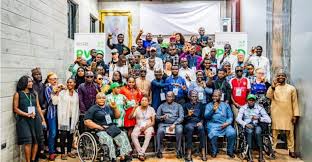
Empowering Nigerians with digital skills is now a central focus for the National Information Technology Development Agency (NITDA), which is prioritizing accessibility for persons with disabilities as it works toward achieving 70 per cent digital literacy by 2027.
The commitment was highlighted following a two-day digital literacy training in Abuja for persons with disabilities (PWDs), conducted under NITDA’s Digital Literacy for All (DL4ALL) initiative.
Speaking at the closing of the training, NITDA Director-General, Kashifu Inuwa, emphasized that true digital progress requires inclusion, noting that lack of captions, assistive tool support, and user-friendly interfaces often prevent PWDs from accessing opportunities.
“Technology alone is not enough. If digital platforms are inaccessible, millions are left behind”, he said.
Inuwa further explained that the initiative aligns with President Bola Ahmed Tinubu’s Renewed Hope Agenda, which places inclusion at the heart of national development. “When equipped with the right skills, persons with disabilities can become innovators, entrepreneurs, and professionals contributing across all sectors of the economy”, he added.
The DG also acknowledged the collaboration with the Inclusive Friends Association (IFA) and SIMBED, describing it as a model for how government and civil society can work together to create lasting, inclusive impact.
Highlighting NITDA’s wider digital literacy efforts, Inuwa said the DL4ALL programme is a key component of the agency’s Strategic Roadmap and Action Plan, which aims for 70% digital literacy by 2027 and 95% by 2030. The initiative runs across three tracks, an informal sector programme that has trained over 480,000 Nigerians across 30 states and the FCT since September 2024, an education-focused track integrating digital skills into schools and universities and a workforce readiness programme targeting both public and private sectors.
The training was described as an important step toward bridging the digital inclusion gap for persons with disabilities, while representatives from partner organizations encouraged participants to apply their skills and advocate for digital accessibility within their communities.
About the Author