Global lender says prolonged tensions could push inflation higher and slow economic growth, but no country has yet sought emergency support……
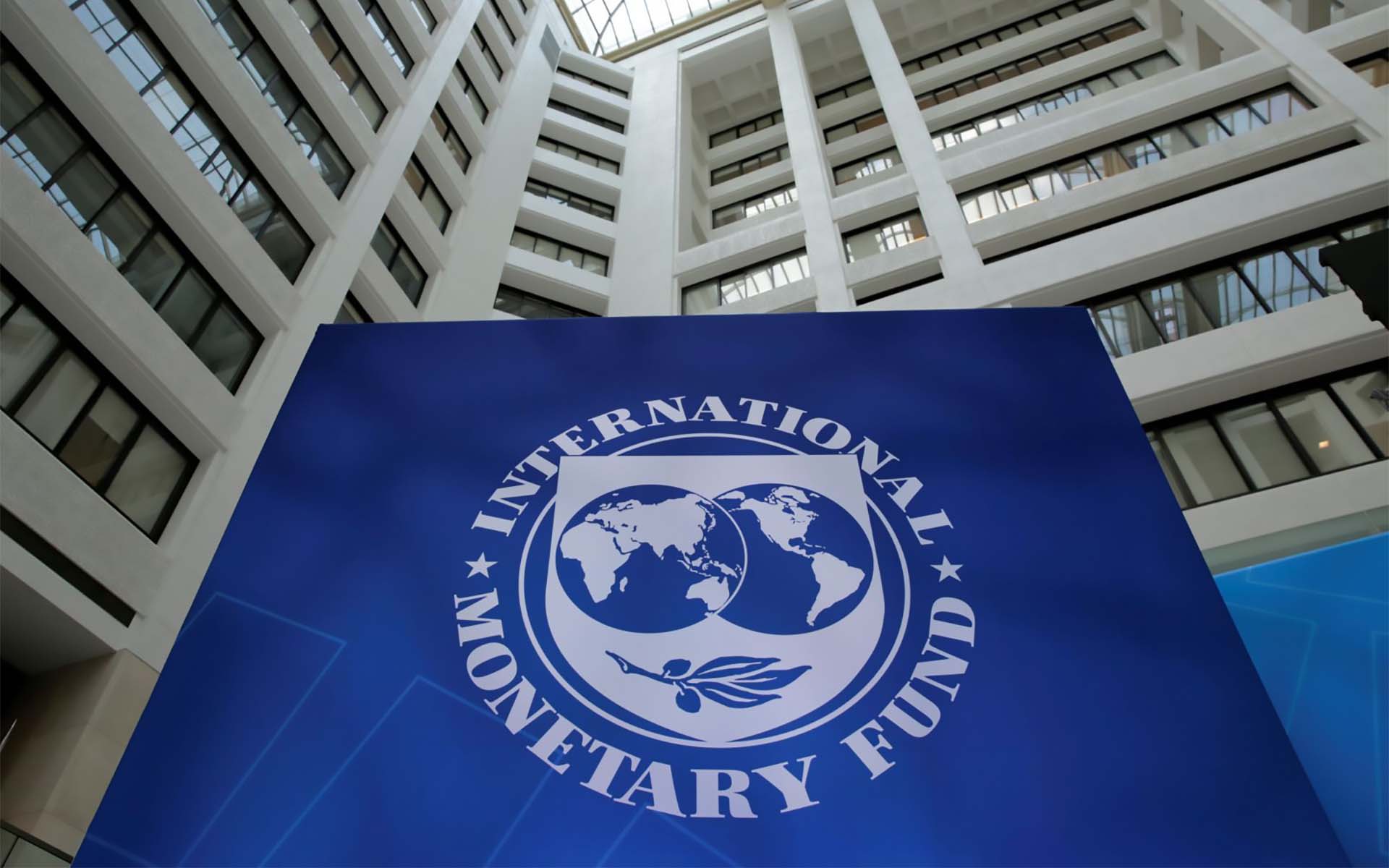
The International Monetary Fund (IMF) has raised fresh concerns over the potential global economic fallout from the ongoing conflict involving Iran, warning that a sustained rise in energy prices could fuel inflation and weaken output worldwide.
Speaking during a press briefing on Thursday, IMF spokesperson Julie Kozack said the institution is closely tracking developments and their ripple effects across global markets, particularly in the energy sector.
“If the situation persists and energy prices remain elevated, we are likely to see an increase in headline inflation,” she noted, highlighting the sensitivity of the global economy to oil price shocks.
Oil Prices at the Center of the Risk
According to the IMF, the trajectory of oil prices will play a decisive role in determining the scale of the economic impact. Kozack explained that if crude prices stay above the $100 mark for an extended period around a year or more the consequences could be significant.
Using what she described as a “broad rule of thumb,” she estimated that such a scenario could drive global inflation up by as much as two percentage points, while shaving roughly one percent off global economic output.
The warning underscores how geopolitical tensions in key oil-producing regions can quickly translate into higher costs for businesses and consumers worldwide.
No Rush for Emergency Funding—Yet
Despite the growing uncertainty, the IMF says it has not yet received any formal requests for emergency financial assistance tied to the conflict.
Kozack confirmed that, for now, member countries appear to be managing the immediate economic pressures without turning to the Fund for urgent support.
A Fragile Global Outlook
The IMF’s cautious stance reflects broader concerns about the fragility of the global economy, which is already grappling with uneven growth, lingering inflationary pressures, and financial market volatility.
A prolonged conflict and the resulting strain on energy supplies could complicate efforts by central banks to stabilise prices, particularly in economies heavily dependent on fuel imports.
What Comes Next
While the situation remains fluid, the IMF’s message is clear: the longer the conflict drags on, the greater the risk to global economic stability.
For now, markets and policymakers alike are watching closely, aware that energy prices could become the defining factor in shaping inflation trends and growth prospects in the months ahead.
About the Author