Rising Middle East tensions and a looming oil shock cast a shadow over IMF–World Bank Spring Meetings in Washington…..
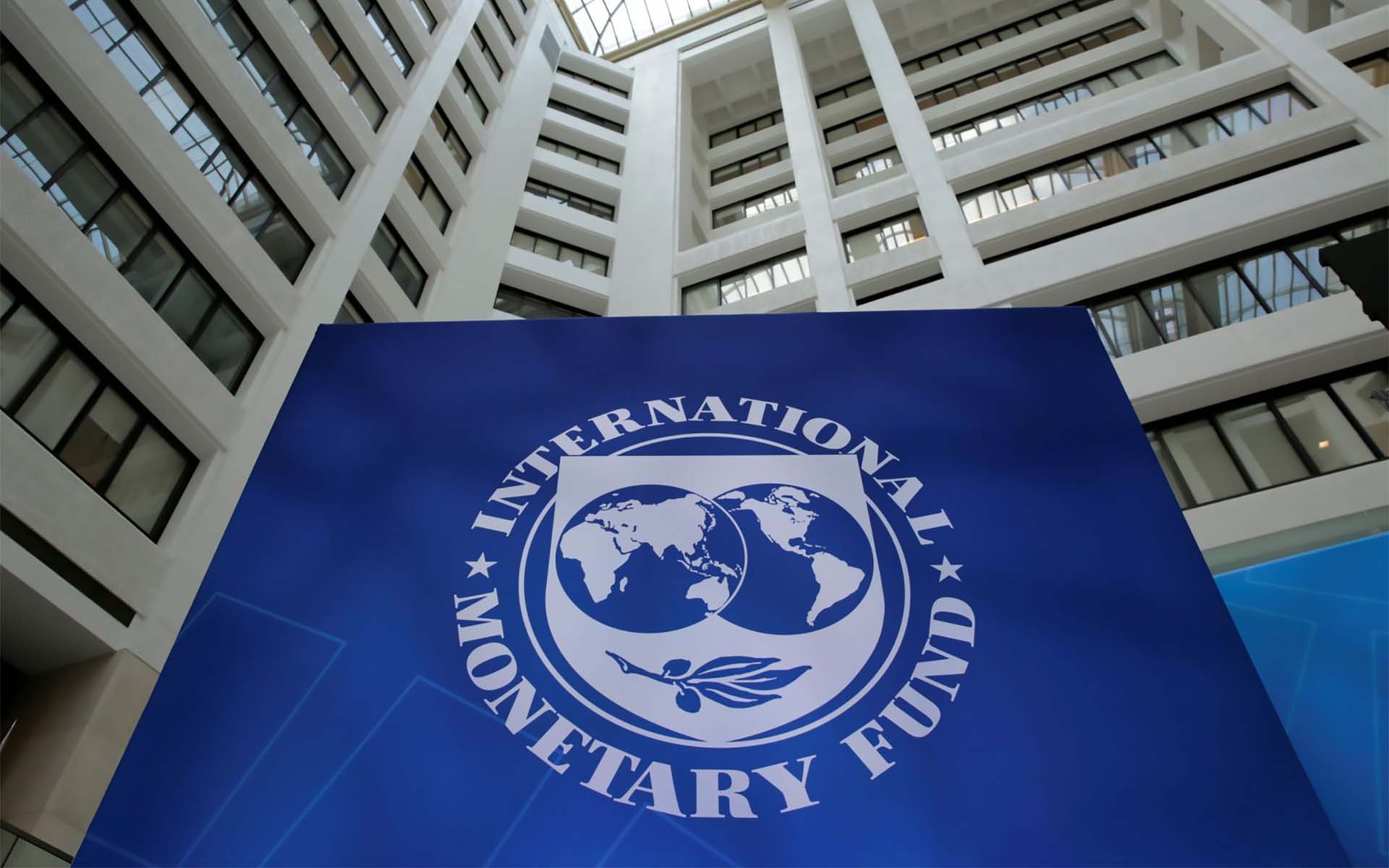
As global leaders gather in Washington for the 2026 Spring Meetings of the IMF and World Bank, a fresh wave of economic uncertainty is already dominating discussions.
The International Monetary Fund has warned that as much as $50 billion in emergency financing may be required to support countries facing balance-of-payments crises, with 45 million people worldwide now at risk of severe food insecurity.
More than 1,000 delegates from 190 nations are attending this year’s meetings, which kick off Monday under the theme “Anchoring Stability and Promoting Balanced Growth.” But the tone is far from optimistic.
A Crisis Brewing in the Gulf
At the center of growing concern is the escalating standoff in the Middle East,
where tensions have taken a dramatic turn.
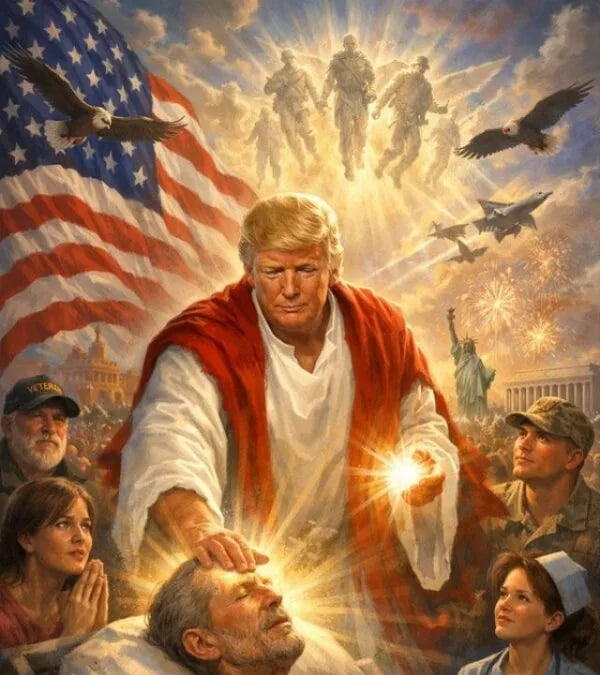
U.S. President Donald Trump has ordered the Navy to begin a blockade of vessels moving through the Strait of Hormuz, a vital artery for global energy supplies following the collapse of nuclear negotiations with Iran.
In a strongly worded statement, Trump said the U.S. would prevent Iran from benefiting from its control of the waterway, adding that any hostile action against American forces or commercial ships would be met with overwhelming force.
Iran, however, has pushed back hard.
The country’s Revolutionary Guards warned that they maintain full control over traffic in the strait and threatened to respond decisively to any interference, describing potential confrontation as a “deadly vortex” for adversaries.
Why the Strait Matters
The Strait of Hormuz is one of the most strategically important shipping routes in the world, serving as a passage for a significant share of global oil, gas, and fertilizer exports.
Any disruption whether through military action, blockades, or new restrictions could send shockwaves through international markets, pushing energy prices higher and worsening inflation worldwide.
There are already indications that Iran has begun limiting access to the strait, allowing only vessels linked to allied nations to pass freely. Reports have also emerged suggesting Tehran may impose tolls on ships a move the U.S. has condemned as economic coercion.
Economic Fallout Already Building
The IMF has made it clear that the economic consequences of this crisis are already unfolding.
Managing Director Kristalina Georgieva is expected to announce a downgrade to global growth projections, citing the “scarring effects” of rising energy costs, supply chain disruptions, and damage to critical infrastructure.
These pressures are particularly severe for developing economies, many of which are still recovering from earlier global shocks and now face renewed financial strain.
Nigeria’s Position: Opportunity and Risk
For Nigeria, the situation presents a complex mix of upside and vulnerability.
Recent projections from the Nigerian Economic Summit Group suggest the country could see 5.5% GDP growth in 2026, alongside foreign reserves climbing to a seven-year high of $52 billion and inflation easing to around 16%.
However, a sustained spike in global oil prices could quickly complicate that outlook.
While higher crude prices may boost government revenues, Nigeria’s reliance on imported refined fuel means domestic costs could rise sharply, feeding inflation and putting additional pressure on households.
A Defining Moment for Global Stability
With geopolitical tensions rising and economic risks mounting, this year’s Spring Meetings are shaping up to be more than just routine policy discussions.
They come at a moment when the global economy faces a fragile balancing act between recovery and renewed crisis.
Whether coordinated action can prevent the situation from escalating further remains uncertain. But one thing is clear: the decisions made in the coming days could have far-reaching consequences for economies around the world.