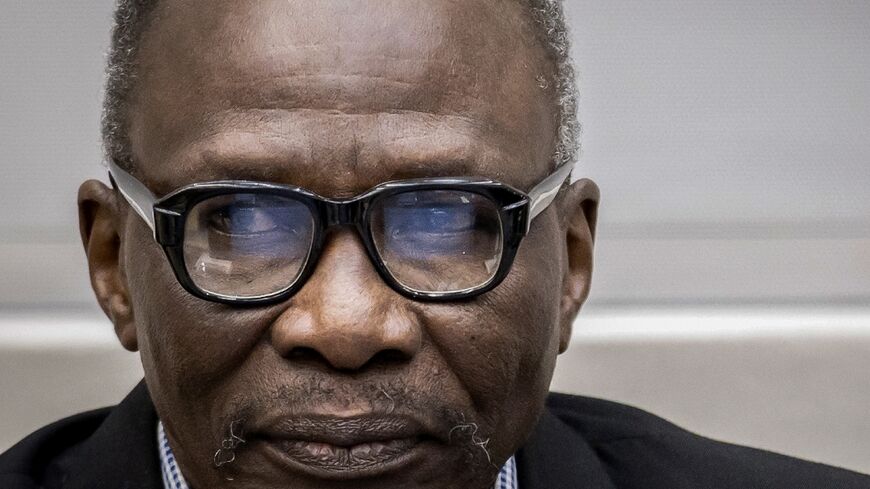
The International Criminal Court (ICC) has sentenced Sudanese militia commander Ali Muhammad Ali Abd-Al-Rahman, widely known as Ali Kushayb to 20 years in prison for war crimes and crimes against humanity committed during the Darfur conflict two decades ago.
Abd-Al-Rahman, 76, previously convicted of 27 counts including murder, torture, rape, and persecution, stood motionless in a blue suit and tie as presiding judge Joanna Korner delivered the ruling.
The crimes were committed between 2003 and 2004 in western Darfur at the height of Sudan’s brutal civil war.
A senior leader of the Janjaweed militia, Abd-Al-Rahman was found to have played an “active” and often direct role in widespread atrocities.
Judge Korner said he “personally perpetrated” violent beatings—sometimes using an axe—and issued orders for summary executions. The court heard chilling testimony describing a “campaign of extermination, humiliation, and displacement” against civilians.
“Days of torture began at sunrise… blood ran freely in the streets… There was no medical help, no treatment, no mercy,” Korner read from victims’ accounts.
She added that Abd-Al-Rahman had even walked on the heads of injured men, women, and children during attacks.
Prosecutor Julian Nicholls urged the court to impose a life sentence, telling judges: “You literally have an axe murderer before you. This is the stuff of nightmares.” The ICC, however, took into account mitigating factors—including Abd-Al-Rahman’s advanced age, good conduct in detention, and voluntary surrender after fleeing to the Central African Republic in 2020—before settling on a 20-year term. Time already served since June 2020 will be deducted.
Abd-Al-Rahman had denied being a high-ranking Janjaweed official, claiming he surrendered out of fear for his life—an explanation the court rejected.
A Symbolic Conviction as Sudan Faces New Crisis
The Darfur war erupted in the early 2000s when non-Arab communities rose up against what they saw as decades of discrimination by Sudan’s Arab-dominated government.
In response, Khartoum unleashed the Janjaweed, a largely Arab militia drawn from nomadic tribes. The United Nations estimates the conflict left 300,000 people dead and displaced 2.5 million.
ICC prosecutors say more arrest warrants may soon follow, this time connected to Sudan’s current conflict between the national army and the Rapid Support Forces (RSF)—a group that evolved directly from the Janjaweed.
Tens of thousands have been killed and millions forced from their homes, as aid agencies warn that the country is “on the brink of famine.”
Judge Korner emphasized that the court’s sentence aims not only to deliver justice to victims, but also to deter future atrocities. “Deterrence is particularly apposite in this case, given the current situation in Sudan,” she said.
Victims’ representatives had pushed for a sentence long enough to ensure Abd-Al-Rahman could never return to Sudan. While the ICC does have the authority to issue life sentences, it has never used that power.
ICC deputy prosecutor Mame Mandiaye Niang called the verdict “symbolic,” telling AFP: “It is a signal to victims in Sudan, and to those committing crimes today, that justice may be slow, but it will get you in the end.”
About the Author