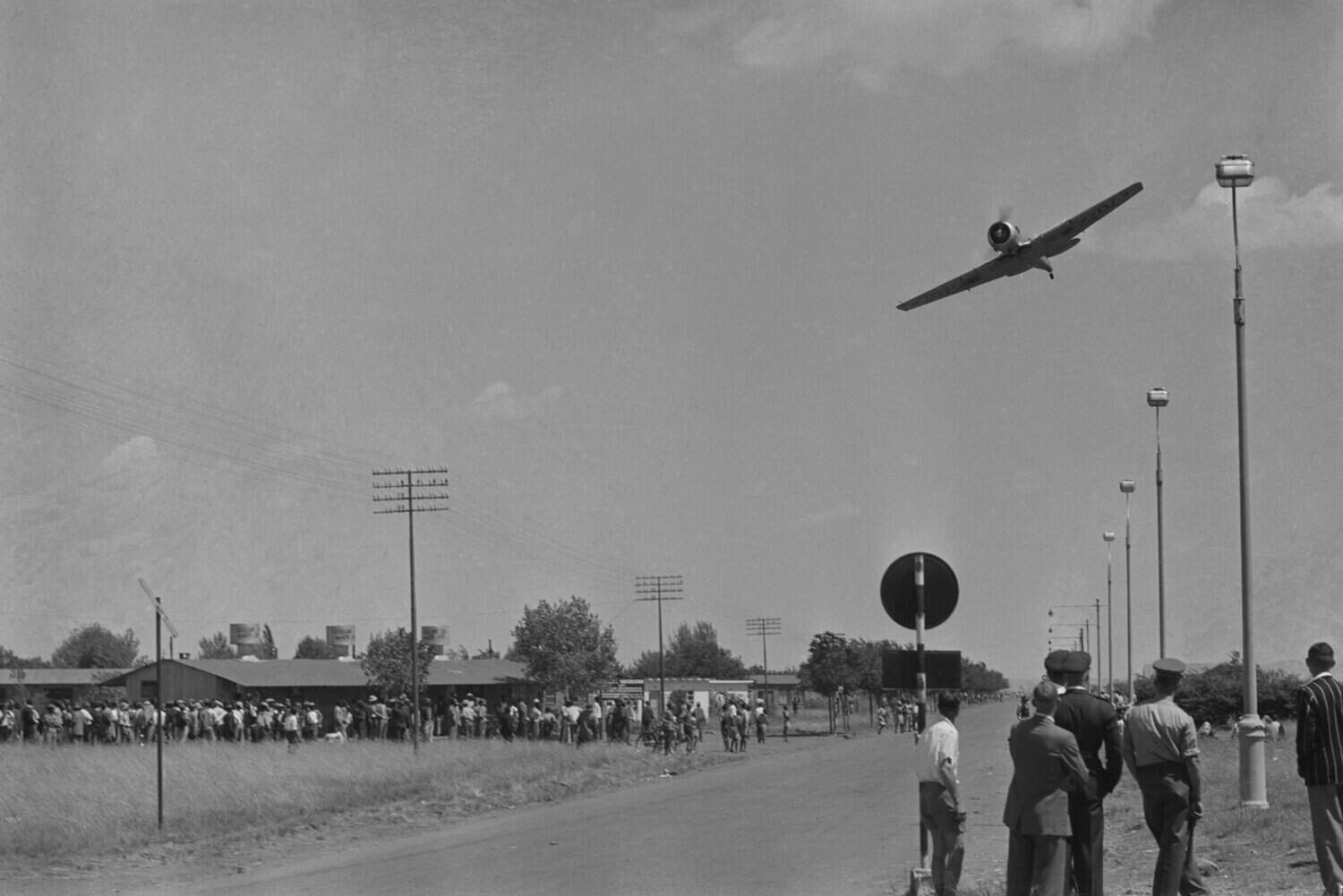
Every year on 21 March we remember Sharpeville. On this day in 1960, 69 people were killed and about 180 injured when apartheid police opened fire on peaceful protesters demanding dignity and freedom from pass laws.
Many were shot in the back as they tried to run away. The guns used that day were legal. They were issued by the state.
Sharpeville reminds us that guns have always shaped the story of rights and power in South Africa and that the question of who holds them – and how they are controlled – continues to affect the safety of our communities today.
Human Rights Day asks us to remember that history. But it should also invite us to reflect honestly on the present.
Article 3 of the Universal Declaration of Human Rights states that everyone has the right to life, liberty and security of person. This simple principle sits at the heart of democratic societies, including South Africa.
Yet gun violence continues to take lives across our country. Research drawing on police and public health data suggests that around 30 people are killed with a gun every day in SA.
When you spend time in communities affected by shootings, the numbers quickly become real. In my work with Gun Free South Africa, I hear these stories repeatedly from people trying to rebuild safety in their neighbourhoods.
In conversations with community leaders and young people in Atlantis, Alexandra, Hanover Park, Mitchells Plain, Tembisa and Westbury, the message is often the same. People speak about the sound of gunshots at night.
Parents talk about children who are afraid to play outside. Teachers describe lessons interrupted by violence nearby.
One community leader said something that stayed with me. He told me that “children here know what gunfire sounds like before they even understand what it means”.
That sentence captures something deeply troubling. Gun violence takes away the ordinary parts of childhood.
Children who should be playing football in open spaces instead learn which streets to avoid. They learn when to run indoors. They grow up hearing adults shout “get down” when shots ring out.
Children cannot learn properly when they live with that kind of fear. Research has also shown that children cannot be “gun-proofed”.
Even when parents believe their children will avoid guns, studies show many children who encounter a gun will handle it and some will even pull the trigger out of curiosity.
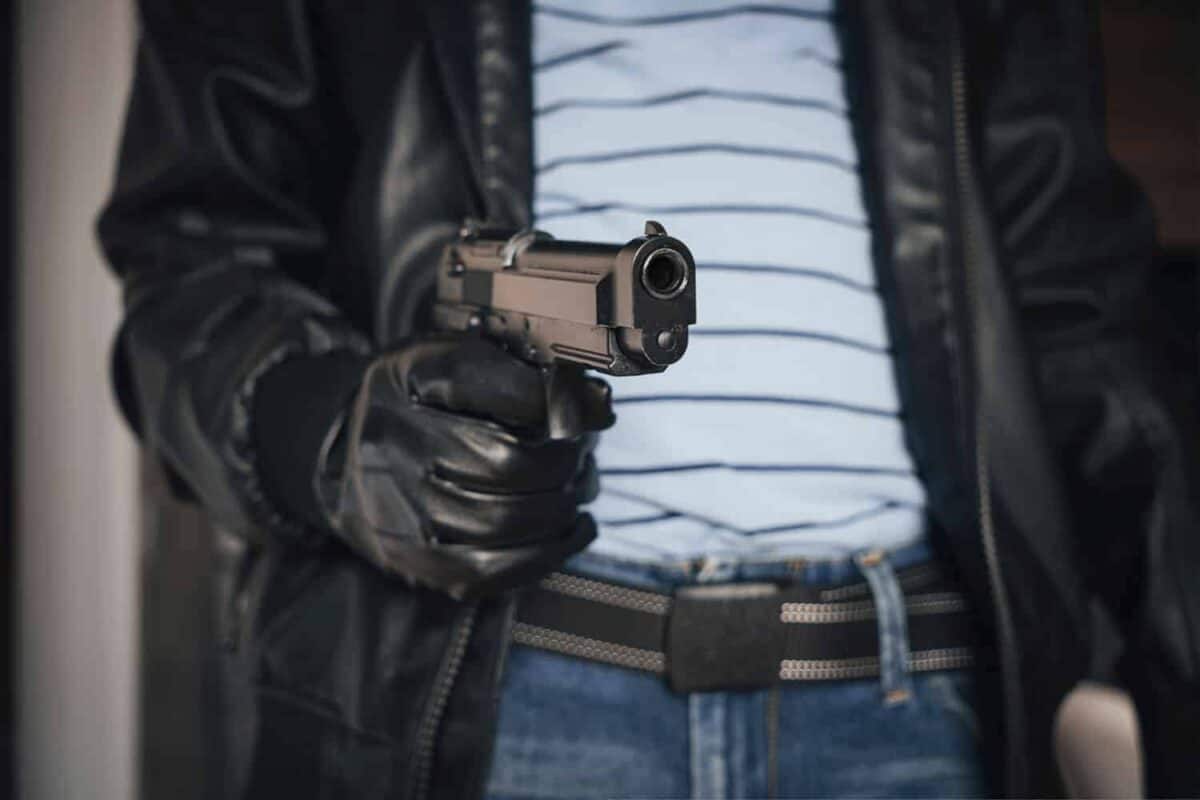
Women face another painful reality. SA continues to struggle with high levels of domestic violence, gender-based violence and femicide, which has been declared a national crisis. When a firearm is present in a violent household, the danger increases dramatically.
Research by the SA Medical Research Council has shown that firearms have played a significant role in intimate partner femicide. In those moments, a gun becomes the final instrument of control.
Gun violence also affects the health delivery system. Doctors and nurses in trauma wards see the consequences every day. Ambulances respond to shootings late at night. Emergency units treat gunshot injuries that require surgery, long hospital stays and rehabilitation.
This uses resources that should be strengthening a public health system already under strain. Instead, they are used treating wounds that should never have happened.
Many guns used in crime were legal. Over five years, more than 21 700 lost or stolen guns were recovered by police, and 6 653 of them were linked by ballistics to murders.
Research has also shown many illegal firearms originate from weapons once legally owned by civilians, or the state before being lost, stolen or diverted into criminal circulation.
When we speak about firearms, we are not speaking only about crime. We are speaking about children who cannot grow up safely, women who cannot live without fear and hospitals under pressure from preventable violence.
Sometimes, when people debate gun violence, the conversation becomes technical. People argue about legislation, statistics and policing strategies. But in communities affected by shootings the conversation is much simpler.
People are asking whether their children can walk to school safely, whether it is safe to sit outside in the evening, whether another life will be lost to a gun before the week ends.
For many communities whether the gun is legal or illegal is not the first concern; it is survival.
In SA, owning a gun is not a constitutional right. The Constitutional Court made this clear in 2018 when it upheld the Firearms Control Act in Minister of Safety and Security v South African Hunters and Game Conservation Association.
The court affirmed that the state has a responsibility to regulate firearms to protect lives and safety.
Put simply, the constitution protects life. Gun ownership is a privilege regulated by law. Human Rights Day should remind us why that distinction matters.
The people who stood up in Sharpeville believed that every human life had value.
Their courage helped shape the constitution that governs South Africa today. But rights written on paper must also be protected in everyday life.
Communities where gunfire is common cannot fully enjoy the freedom our democracy promises. Reducing gun violence will not solve every challenge South Africa faces. But protecting life must always come first.
Because in a society that truly values human rights, the right to live safely must always carry more weight than the privilege to own a gun.
About the Author