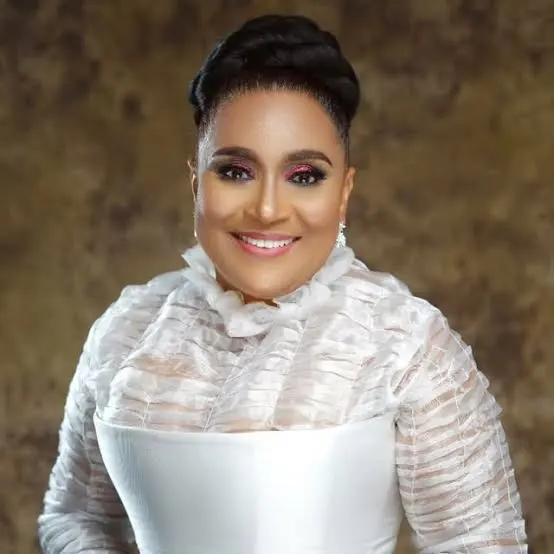
Veteran Nollywood actress Hilda Dokubo has said society is not doing enough to protect women, noting that the failure to take strong action against abuse is one of the reasons cases of rape and domestic violence continue to rise.
Speaking in an interview with Saturday Beats, the actress criticised the tendency of communities and families to suppress reports of abuse instead of addressing them.
“If society were doing enough to protect women, we would not see the increasing cases of rape and abuse. We would not see people in positions of power using their offices to oppress, insult, or assault women,” she said.
Culture of Silence
Dokubo explained that many incidents of domestic violence are often hidden because families pressure victims to remain silent.
According to her, women who report abuse are sometimes discouraged by relatives who fear the consequences for the perpetrator, particularly when the offender is a spouse.
“Many times when these things happen, family members try to suppress the issue. A woman may be beaten by her husband, and before anything is done, relatives begin to pressure her to keep quiet. They say things like, ‘Do you want your husband to go to jail?’ That is wrong,” she added.
Persistent Gender Bias
The actress also noted that despite modern societal progress, some communities still treat women as though they are insignificant.
She pointed out that derogatory ideas about women have existed for generations, with certain traditions historically excluding women from participating in decision-making gatherings.
According to Dokubo, the problem sometimes persists because some older women have internalised patriarchal beliefs and unconsciously reinforce them.
She stressed that women with influence must work to change this narrative by telling stories that reflect women’s strength, resilience and contributions to society.
“Women are not weak, helpless, or inactive. They are active participants in society,” she said.
Women and Politics
Dokubo also expressed concern about the low level of female representation in politics.
She referenced the historic Aba Women’s Riot of 1929 as an example of Nigerian women’s long history of fighting for their rights, while noting that progress toward political inclusion has been slow.
According to her, women remain underrepresented in the National Assembly, government appointments, and the leadership structures of political parties.
Importance of International Women’s Day
Reflecting on the significance of International Women’s Day, Dokubo said the occasion serves as a reminder of her responsibility to continue advocating for the empowerment and development of women.
“It reminds me of my role and responsibility, not just to my family, but to my state, my country and the continent,” she said, adding that the day also celebrates the importance and contributions of women globally.
About the Author