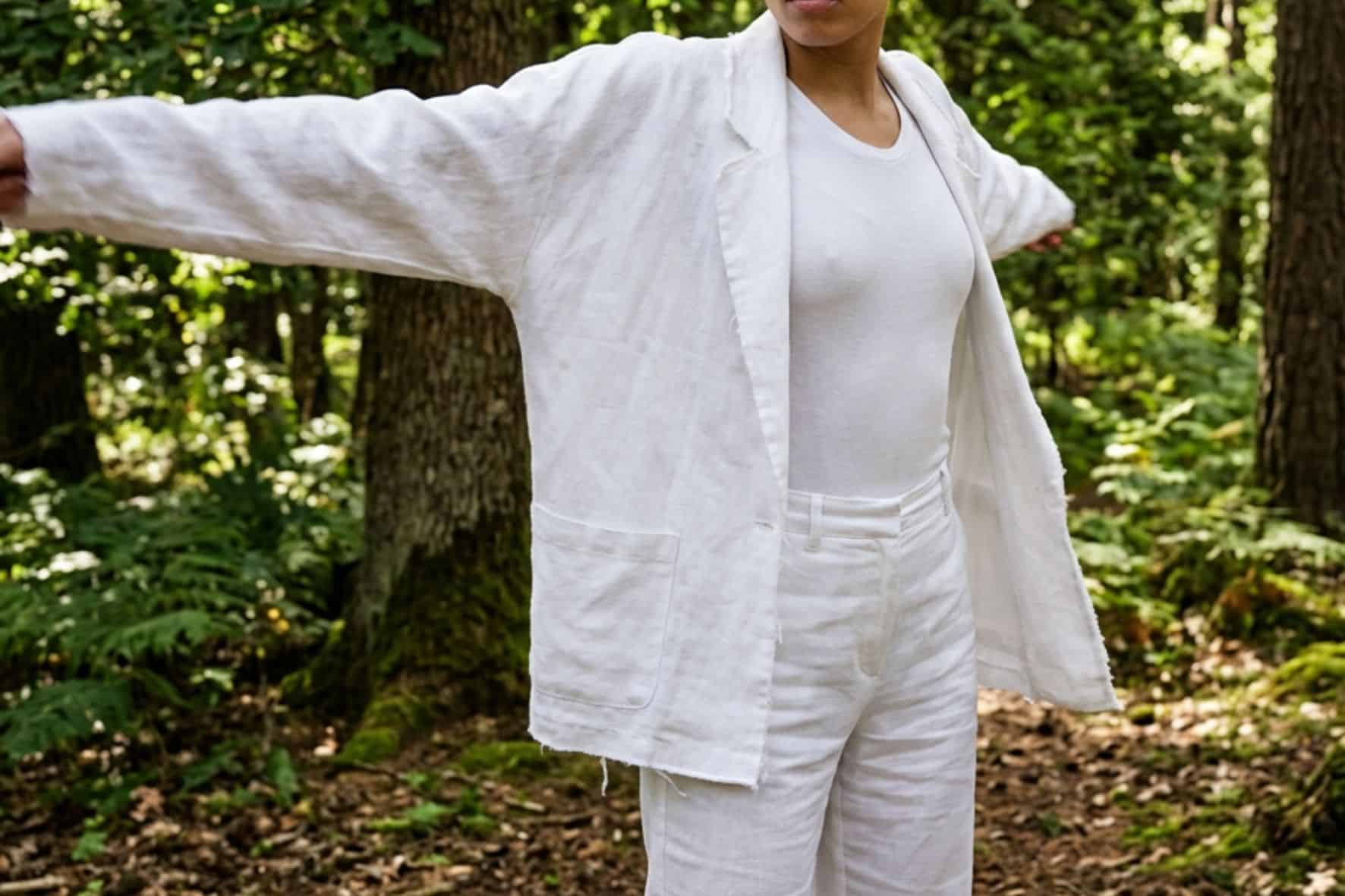
In today’s crazy, messed-up world, there is not much of a sales job that the purveyors of the soft-life aesthetic need to do. It’s a packaged calmness that comes with neatly folded linen, flowy garments, a perfectly brewed cup of whatever the going herbal tea trend is, and slow, sunrise mornings.
On TikTok, it looks effortless, almost rehearsed. It’s an unhurried life, untouched by deadlines, debt, or the kind of stress that keeps most people awake at 2am, but somewhere between the curated calm and the reality most people live, said Heavenly Healing’s Annemari Viviers. “At some point, you need to ask yourself whether this is healing or just another version of something we are expected to perform for an audience.”
Everyone’s talking about the “soft life” as this calm, intentional way of living, but online it often looks curated and expensive.
More people are embracing alternative healing, but what’s shown online is often an idealised version. Real healing is messy and personal, not aesthetic, and while the soft life has value, it requires consistency and access that many people under financial and emotional strain simply don’t have.
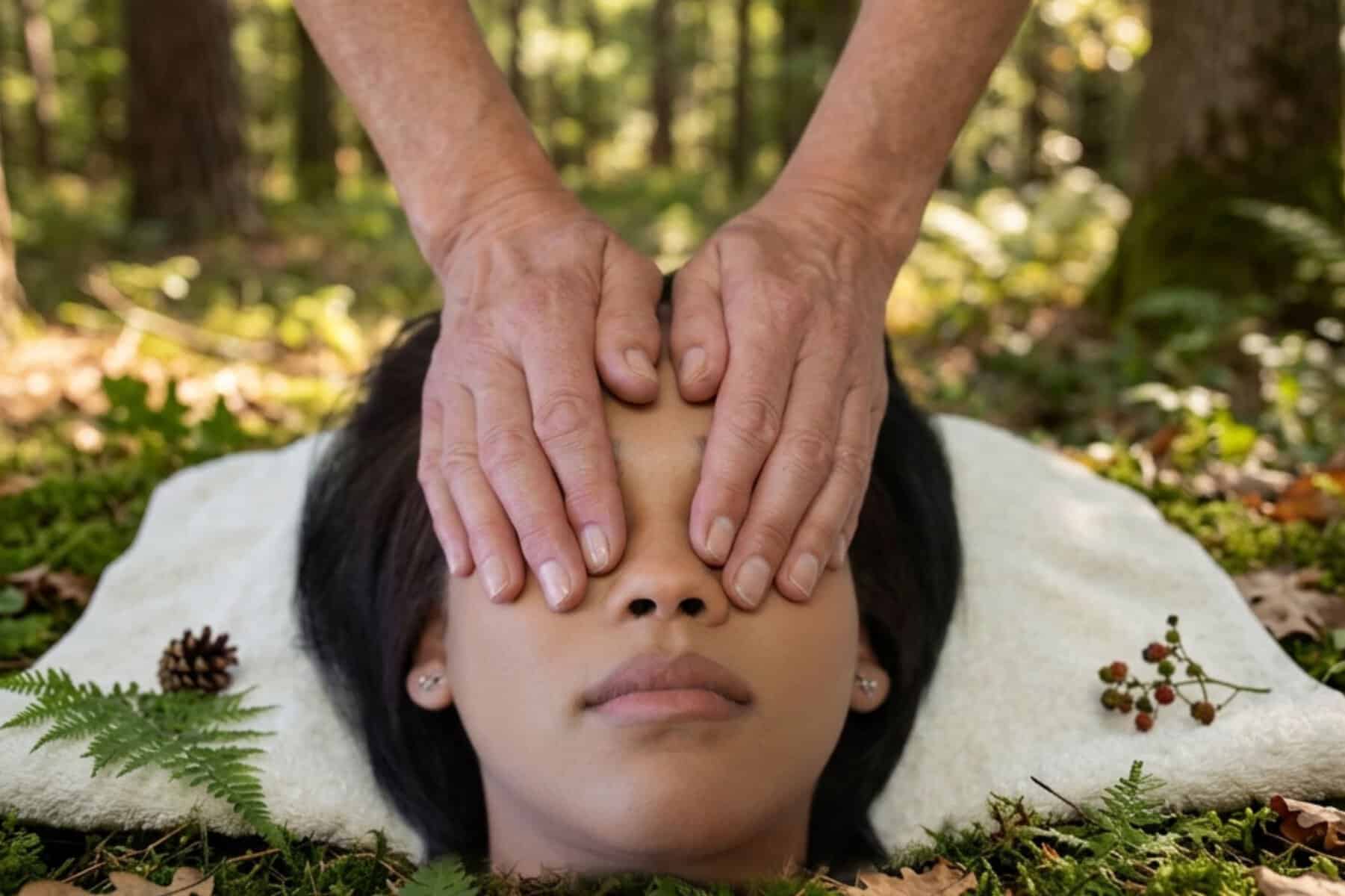
Wellness used to be something quite private. Now it feels like people are expected to show that they are balanced, aligned, and in control.
Wellness and spirituality are connected, but they are not the same thing. And yes, I do see people feeling pressure to present themselves as healed, balanced, and aligned.
Many clients can speak the language, using terms like self-regulating or grounding, but they are not always living it. It almost becomes another expectation to live up to, which adds pressure instead of relieving it. Spirituality was once a private, deeply personal practice, and now it can feel like something people need to perform. Real spirituality, though, is quiet, honest, and often happens away from an audience.
Do you think there is a point where healing stops helping and starts keeping people stuck?
Healing is ongoing, but it should lead to growth and forward movement, not keep people stuck. The problem arises when it becomes an identity, with people constantly working on themselves instead of actually living. True healing should help you re-engage with life, not trap you in a cycle of fixing.
How do you avoid turning healing into a commercialised product?
Authentic healing is not as profitable as it seems, and unlike commercial wellness spaces, it is not about selling an image but about genuine care, intention, and truly helping people.
ALSO READ: The perfect body image for men is becoming a dangerous pursuit.
The soft life sounds ideal if you have time, space, and money, but many people are dealing with stress that cannot be solved by meditation or journaling.
Spirituality does not have to be time-consuming or expensive; it can be woven into everyday life in simple, practical ways. It can be as small as taking a few conscious breaths while sitting in traffic, making tea, or even washing your hands. It is about being present, not adding more to your to-do list.
You can turn everyday habits into mindful rituals, like setting an intention in the morning or releasing the day before bed, even if it is just for a minute. Grounding in the body is also important, and that can be done through simple practices like feeling your feet on the floor, stretching, or stepping outside for fresh air. These small actions bring you back to yourself without needing extra time or tools.
“Protect your peace” has become a popular phrase. Where is the line between setting healthy boundaries and avoiding difficult situations?
“Protect your peace” is a powerful idea, but it can be misunderstood. Healthy boundaries are about self-respect, knowing what you can and cannot hold, and communicating that clearly. Avoidance, on the other hand, is about escaping discomfort. The difference usually comes down to intention.
If you are stepping away from something because it consistently harms your wellbeing and you have tried to address it, that is a boundary. But if you avoid conversations, conflict, or growth because they feel uncomfortable, that can become limiting. Growth often requires discomfort. Not everything that challenges your peace is wrong for you; sometimes it is actually where the healing happens. The key is learning to discern between what is harmful and what is simply uncomfortable but necessary.
Is the wellness trend genuine self-care or just burnout repackaged as aspiration?
People are genuinely trying to care for themselves, driven by burnout and a need for something more sustainable, but not everyone has the resources to access the idealised version of wellness, making accessible alternatives increasingly important.
NOW READ: Don’t let FOFO ruin 2026: The fear you didn’t know you had