
Happy, black woman and lotion on face in studio for facial hydration, treatment and sunscreen protection. Female person, apply cream and spf cosmetics for dermatology, anti aging and white background
Once upon a time, a face wash and a moisturiser were considered a decent skin care routine. Then came marketing, product innovation and at the one end of the skin care value chain, science. We stock up on everything new, everything that may make a difference, but the wages of enthusiasm may deliver less of a glow.
Getting a younger, smoother and brighter skin does not always depend on how you pile on the lotions, creams and serums. Sometimes less is more, said aesthetic doctor and Twenty 4 co-founder Dr Juanri Jonck.
Over-layering with products, she said, can have consequences.
“Too many potent actives will speed up cell turnover too fast for the skin to keep up with production, leaving skin red and irritated,” Dr Jonck said.
In other words, skin can only do so much at a time. Push it too hard and it will respond, but not always in the way you may have wanted it to.
Choose one active ingredient
Dr Jonck said that choosing one strong active ingredient per session and introducing it gradually to your skin makes more sense.
“Skin does not read instruction manuals,” she said. “It reacts based on biology, and that biology differs from person to person. Hormones, inflammation and general health all play a role in how skin responds.”
ALSO READ: Want better skin? Choose the right serum, cream or lotion
Skin that’s acne prone must be treated with kid gloves.
“You need to maintain a very fine balance between enough hydration to support the barrier function without occluding, or blocking barriers, in the skin,” she said. “In practice, that often means reaching for lighter textures. Serums and gels that focus on humectants, or hydrating, and targeted actives tend to be safer starting points. If the skin barrier is already irritated, a light lotion with calming ingredients can help settle things.”
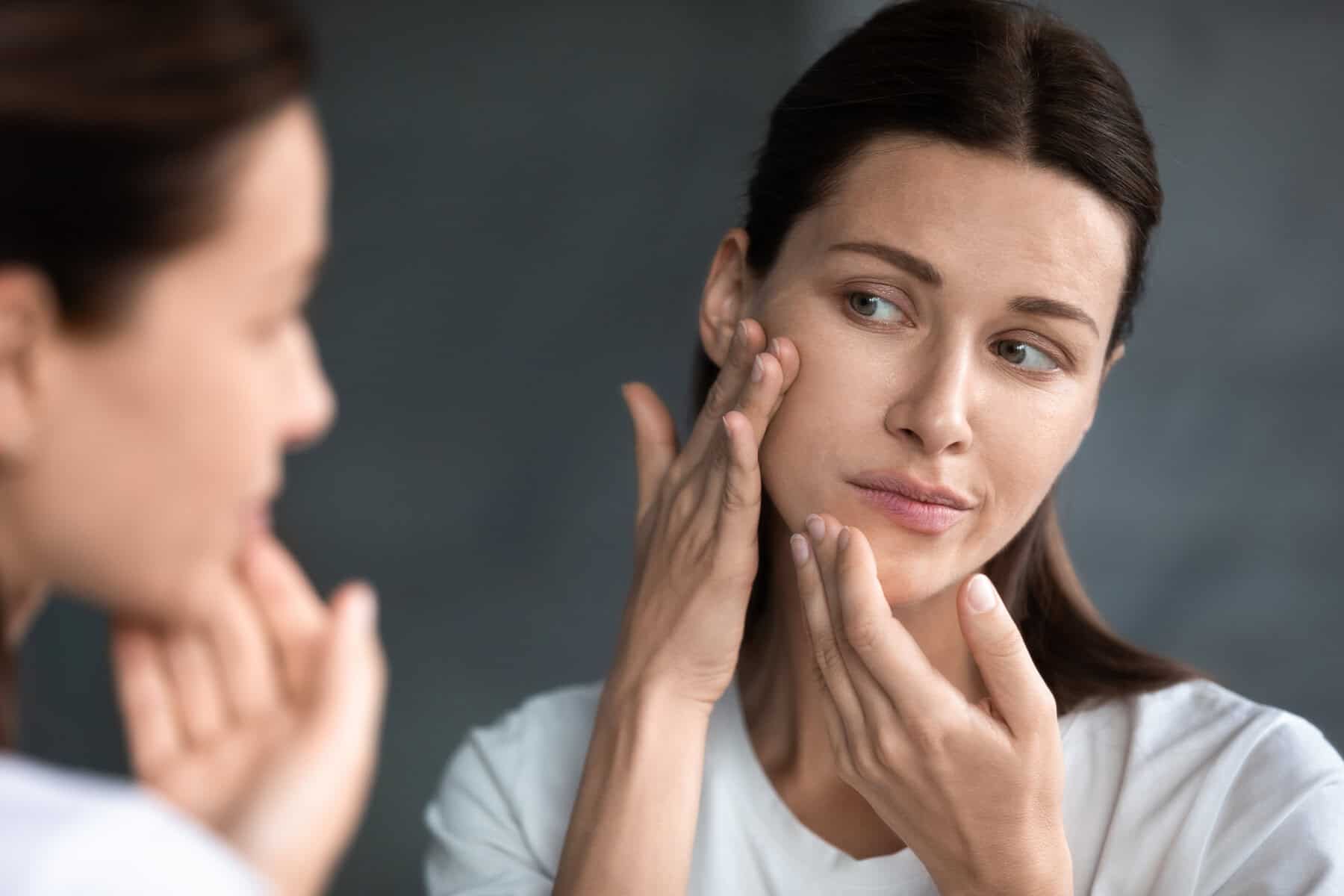
Caring for dry skin or more mature skin has its own challenges, said Dr Jonck. Often, the temptation to add richer creams becomes irresistible, but she said that is not always the fix.
“During this time, a gel or serum with an exfoliating base should ideally be applied before delivering your actives like antioxidants and humectants,” she said. “That helps clear the way for ingredients that actually treat the skin, while a barrier product can help lock in moisture and protect what is newly exposed.”
Look for ingredients that treat the skin
Magical elixirs and supplements promising skincare-all-sorts like collagen powders and other drinks promise a glow that radiates from the inside out. Dr Jonck said the science behind it is sound, but expectations about what is delivered at the end of the day must be realistic.
“Oral collagen peptides definitely have clinical study support for modest improvements in skin hydration and elasticity in some population though results vary,” she said. “The body uses what it needs where it needs it, which does not always mean the face. Topical products, by contrast, act where they are applied.”
That is why a single targeted treatment may be the best approach.
“Pick one targeted treatment,” she said. “Introduce it slowly and stick with it. Skin takes time to respond and even longer to show results. Ultimately it is only with consistency that skincare can truly show its true colours,” she said.
Climate also plays a role in the quantity and kind of product that should be applied. Heat and humidity, Dr Jonck said, usually require lighter formulations, while cold weather, wind and air conditioning increase water loss and demand more barrier support. Someone moving between climates, or even between seasons, may need to adjust products rather than stick to one formula year-round,” she said.
READ NEXT: Why your R1 200 skincare cream may do the same job as a R99 one
About the Author