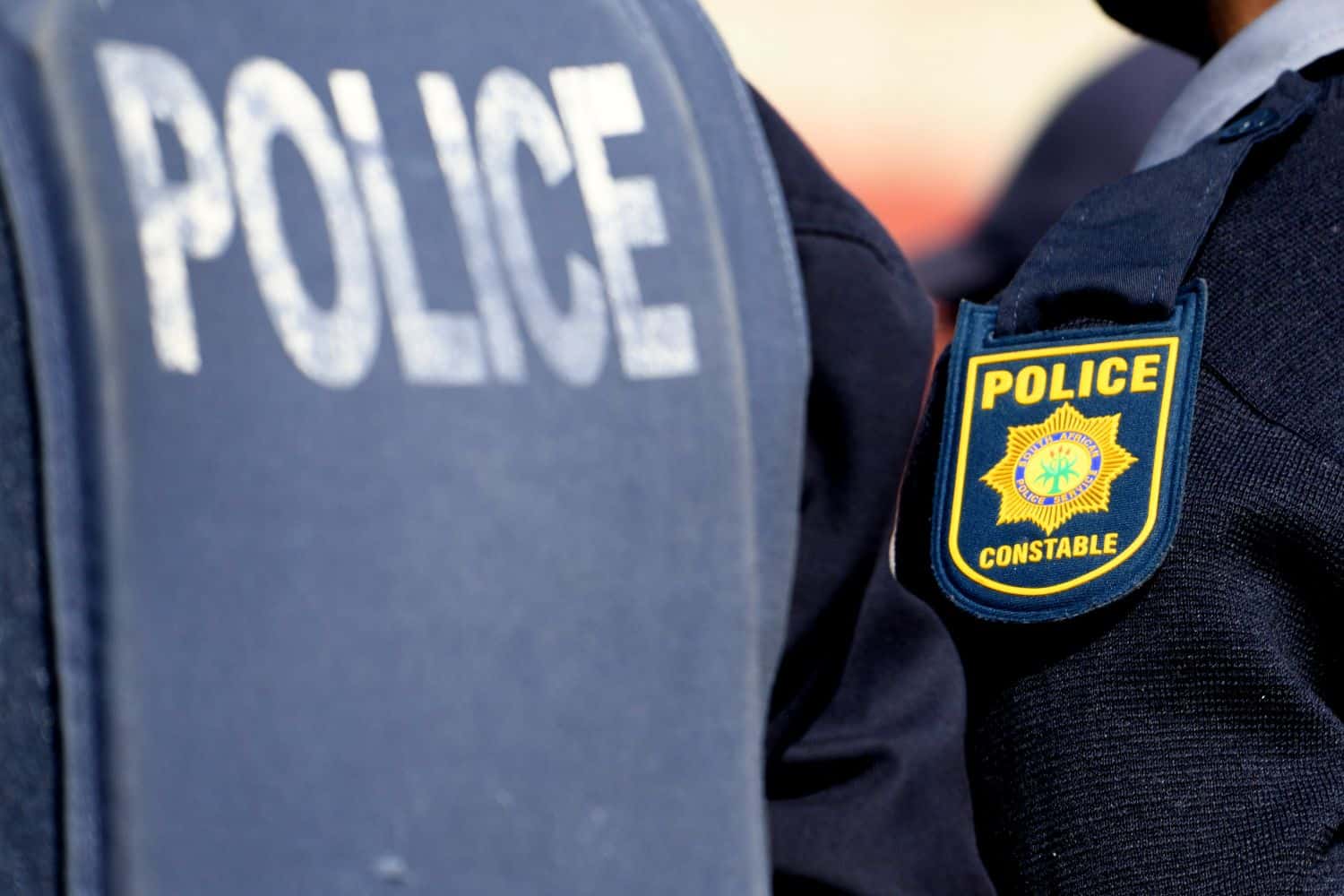
In a shocking revelation, 97 South African Police Service (Saps) officers have been accused of sexual violence or rape nationwide.
The disturbing statistic emerged during a Stakeholder Engagement Session convened by the Gauteng Provincial Legislature’s Portfolio Committee on Community Safety as part of its Focused Intervention Study (FIS) last week.
The study evaluates Saps’ compliance with the Domestic Violence Act, 1998 (Act No. 116 of 1998), using figures from the Independent Police Investigative Directorate (IPID) 2024/25 Annual Report.
Shock and outrage
Committee Chairperson Bandile Masuku expressed profound alarm at the disclosure.
“The Committee is gravely concerned that police officers, constitutionally mandated to protect communities, particularly women, children and other vulnerable groups, are themselves allegedly implicated in heinous acts of sexual violence.
“Such conduct constitutes a serious betrayal of public trust and fundamentally undermines confidence in law enforcement institutions,” Masuku said.
He added that the Portfolio Committee “unequivocally condemns these alleged actions.”
“Any involvement in acts of sexual violence is wholly incompatible with the duties and responsibilities of policing and must be met with swift, decisive and visible consequences.”
Praise
Masuku also emphasised that the Committee recognises the integrity of many Saps members.
“Saps is also home to many dedicated, professional and ethical women and men in blue who serve their communities with courage, integrity and commitment, often under difficult and dangerous conditions. These officers should not be judged by the alleged criminal conduct of a minority.”
Oversight
He stressed that oversight efforts are intended to strengthen, not weaken, the institution.
“The Committee emphasises that its oversight interventions are not intended to undermine morale within Saps, but rather to protect the credibility of the institution, support officers who serve honourably, and ensure that misconduct is decisively eradicated so that public trust in policing can be restored and strengthened.”
As part of the FIS, the Committee conducted oversight visits to several police stations, including Fochville, Ivory Park, Sebokeng, Sharpeville and Mamelodi East. None achieved full compliance with the Domestic Violence Act.
“Non-compliance was largely attributed to administrative, infrastructural and operational deficiencies, including misalignment between pocketbooks, occurrence books and registers, incomplete documentation, and recording errors.
“The Committee further noted significant impediments relating to the shortage of social workers and the reduced funding of non-profit organisations (NPOs), which play a critical role in supporting Saps and assisting victims, particularly in ensuring compliance with the Domestic Violence Act,” Masuku said.
Social Development support
The Committee urged the Department of Social Development to prioritise the hiring of additional social workers and to improve funding for NPOs.
“While some of these shortcomings may appear procedural in nature, the Committee stresses that they have serious and direct consequences for legal compliance and, more importantly, for the quality, dignity and timeliness of services rendered to victims of domestic violence.”
Masuku reaffirmed the Committee’s stance:
“Compliance with the Domestic Violence Act is non-negotiable. The Committee will intensify its oversight, engage further with Saps leadership and relevant oversight bodies, and pursue accountability measures to ensure that police stations comply with both the letter and the spirit of the law.”
ALSO READ: DCS contemplates suspending official after dangerous prisoner escape
About the Author