There is a moment, she suggests, when everything fractures. It’s not a loud crash boom bang, but rather a silent destruction over time.
The aftermath of something that should have ended differently.
Singer-songwriter Carla Franco told The Citizen that moment for her came at the end of a long-term relationship that closed over text, without conversation or closure.
It became more than just heartbreak, it also morphed into a slow unravelling of a narrative built on dishonesty.
ALSO READ: U2’s ‘Songs of Ash’ is exceptional protest music
It was in that disorientation, Franco said, that her new single, Version Of Me, came to life. It’s not so much simply a song, but rather a response and a reclaim of a measure of self.
That sense of drawing a line in the sand and taking her own back runs through her upcoming body of work, A Funeral For My Grief, an album that navigates loss in its many forms from the self, relationships, and of time.
According to Franco, grief is not a singular event, but something layered and consuming, something that can eclipse even other losses if left unchecked.
She further remarked that her music is not resolution, but a process and one grounded in accountability, faith, discipline, and a deliberate decision to rebuild.
Hein Kaiser: Your new single Version Of Me feels less like a song and more like a line drawn in the sand.
Carla Franco: I had just come out of a toxic three-year relationship that ended over text, with no closure.
What hurt most wasn’t just the ending, but the layers of dishonesty that surfaced afterwards.
In that kind of chaos, it’s hard to step outside yourself and see things clearly.
The song became my response to that – reclaiming my own narrative. That was the moment I drew the line.
HK: You describe this album as the voice for all the times your voice was taken away. Why?
CF: It’s been about rebuilding – through therapy, faith, and consciously breaking old patterns. Choosing not to accept poor treatment anymore sounds simple, but it’s been the hardest work.
I’ve had to reflect deeply on my past to shape the future I want.
Writing music for myself again helped me reconnect, but the real work has been in the daily choices – and it’s taken grit, and a strong support system.
HK: There is a tension in the song between accountability and self-preservation. Owning your part, but also protecting yourself.
CF: Every relationship has two sides, and facing that honestly is difficult.
The hardest part of grief is accountability – confronting the parts of yourself you’d rather avoid and learning to forgive yourself.
For me, that meant accepting where I stayed too long or compromised myself. But I also realised we get to choose who we become.
That mindset shift has been key, along with giving myself grace while staying committed to not repeating those patterns.
HK: Being hearing impaired, your relationship with sound is different to most.
CF: Absolutely. I experience music differently, which is why my sound is mixed and mastered in a way that highlights what stands out to me.
It’s something I see as a strength. The challenge comes in live performance – where technical precision and communication with a band require a lot of discipline and trust.
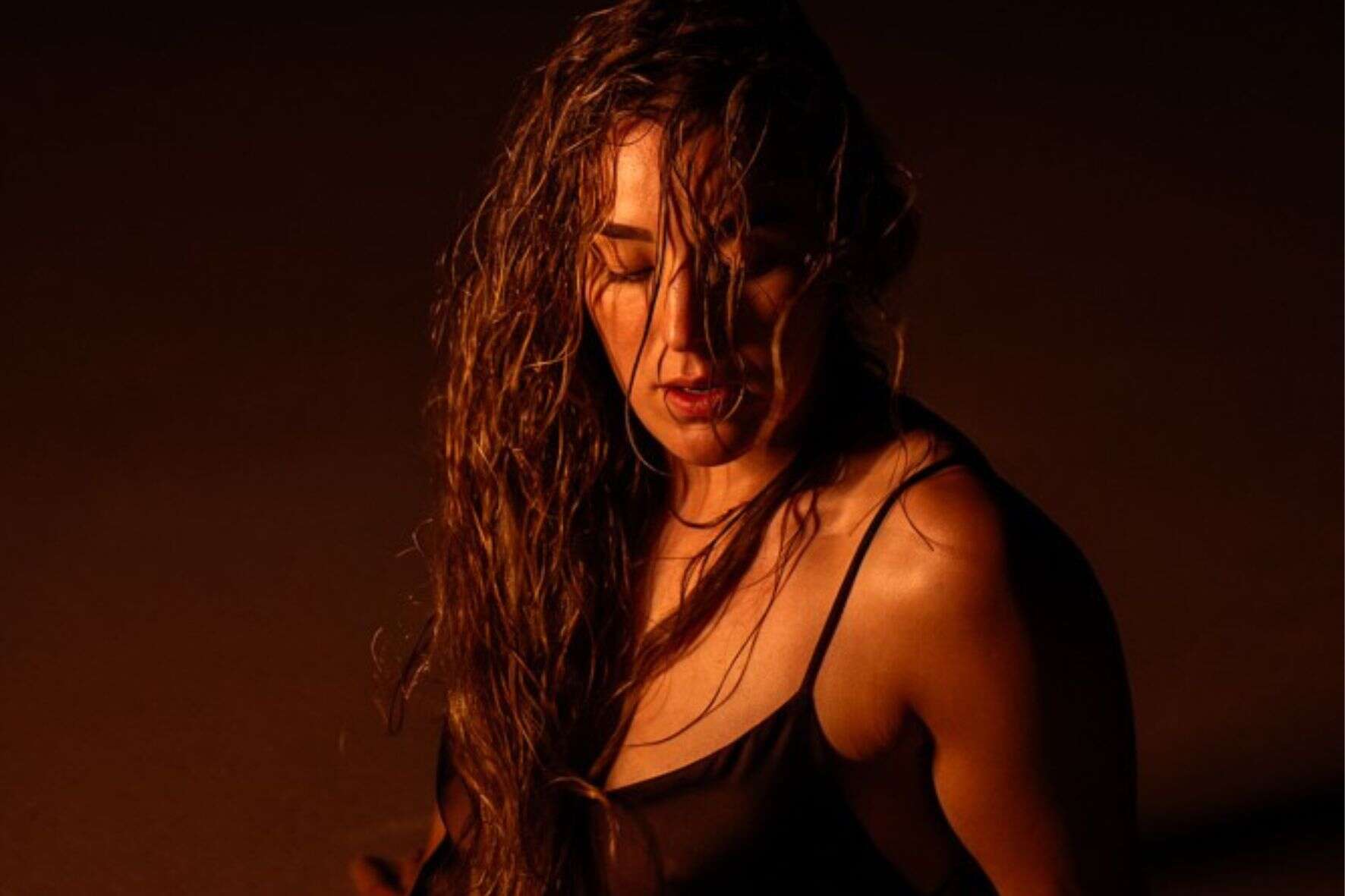
HK: Your social media has this striking contrast, sensual imagery alongside what feels like a kind of metaphysical funeral.
CF: That contrast is intentional. Every visual, lyric and sound is part of a larger narrative about grief and its different stages.
I was dealing with multiple layers of loss at once, and it became overwhelming – to the point where I couldn’t process anything properly.
That’s why this project is about laying it all to rest.
Even the imagery reflects that – the ocean symbolising both drowning in grief and finding solace.
Now Read: Gen Z hits rewind as 90s nostalgia makes a comeback