Screenshot
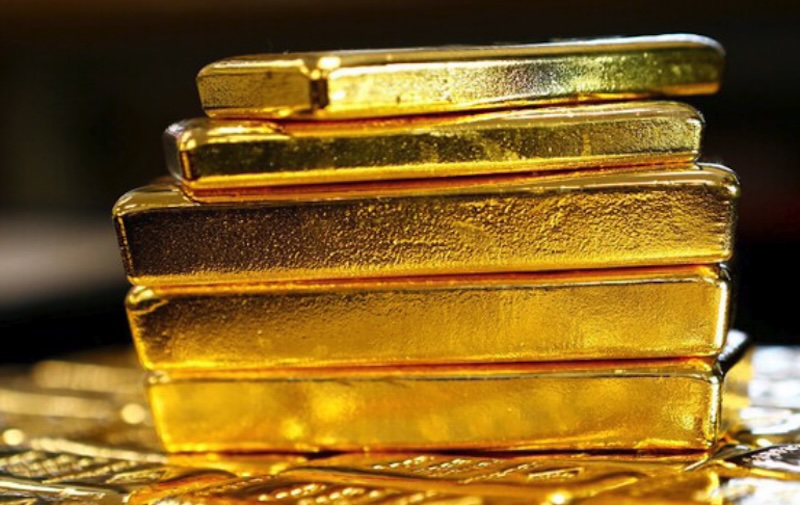
Gold has become Uganda’s leading export earner bringing in a record $6.4 billion in 2025 from $1.26bn in 2019 thereby overtaking coffee at $2.46bn.
That is a huge surge in revenue. Gold has been surging worldwide due to increased geopolitical tensions forcing central banks to increase their purchases as a measure to hedge against rising inflation and dollar instability.
With the Americans abducting sitting presidents and assassinating others and gloating about it, these tensions will only increase and gold, known to hedge against inflation and instability more than paper assets, its value is only likely to increase.
This perhaps explains why the Bank of Uganda (BoU) is set to buy at least 100 tons of gold between March and June this year worth $160m or nearly Shs 600 billion through its Domestic Gold Purchase Program.
Although gold brings in significant returns to Uganda, the majority of ordinary Ugandans are not benefitting from it. The impact of the surge in gold prices is incomparable to the one in coffee. If you drive through districts where coffee is grown such as Bukomansimbi in Buddu, you will see how the recent coffee earnings have transformed communities.
Recently, my sister’s domestic worker asked for leave to attend a family event in greater Masaka. When she returned, my sister was eager to know how the event was. It turned out, the event was a celebratory party.
For the very first time, the family was able to buy a vehicle, a Toyota Probox, and therefore left no stone unturned in celebrating this milestone. The money to buy the family car came from coffee. The family, my sister’s worker said, is grateful to Emmwanyi Terimba, the grow coffee campaign championed by Charles Peter Mayiga, Buganda kingdom’s katikkiro (prime minister).
Coffee is responsible for better housing conditions for ordinary people. Hitherto poor families are able to send their kids to school while wearing shoes. Yes, shoes. People’s lives have been transformed. The government of Uganda is now creating coffee parks everywhere. Uganda is now the leading coffee exporter on the continent.
Gold brings in almost three times what coffee earns Uganda but you hardly hear about ordinary people whose lives are being transformed by the surge in gold earnings as compared to coffee.
Many times, the story about ordinary people in gold mining communities are depressing. Either they are being buried in informal unsafe mines or being evicted from the land. You hardly hear how they are buying vehicles, replacing their roofs with fancy tile-esque iron sheets or sending their kids to schools with shiny black shoes.
Ordinary people must significantly benefit from gold. There is, therefore, a need to demystify gold. The Ministry of Energy and Mineral Development has done well to increase the number of licensed refineries to the current nine.
How can now gold move from being a mineral snake oil salesmen use to con the public into a tradeable item that many Ugandans could benefit from? How could more people trade it the same way they trade coffee?
The licensing doesn’t need to be cumbersome and expensive. If many ordinary Ugandans participate in the gold trade, the way they do with coffee, the more benefits for the country. More jobs will be created.
More tax revenue will be realized. More people will move from poverty to the real middle-income status. And that way, more Ugandans will have a stake in their country. Another way is by the Bank of Uganda to create a gold exchange where people can trade gold. A minimum can be set, say Shs 1m to participate in this.
A person opens a central depository account (CSD) and load money on it and then bid through an auction organised periodically by BoU similar to the treasury bonds/bills market.
The successful bidder is then issued a certificate. They can then trade their values at prevailing rates, same way the treasury bonds secondary market or even stock exchange works. Others could hold to their shares and wait for gains and determine when to sell.
If BoU decides to sell their holdings, then the gold certificate holders could earn some interest on their holdings (or make a loss depending on the market conditions, again same way the stock exchange works).
The central bank would charge a fee for storage and such other expenses. Bank of Uganda would not have to spend the $160m of its money on gold purchases this year alone. It would use ordinary Ugandans’ money while creating value and an opportunity for the majority of people to participate safely in the gold industry.
Retirement and other savings would be protected from inflation and other uncertainties while creating another investment vehicle for ordinary folks.
djjuuko@gmail.com
The writer is a communication and visibility consultant.
About the Author