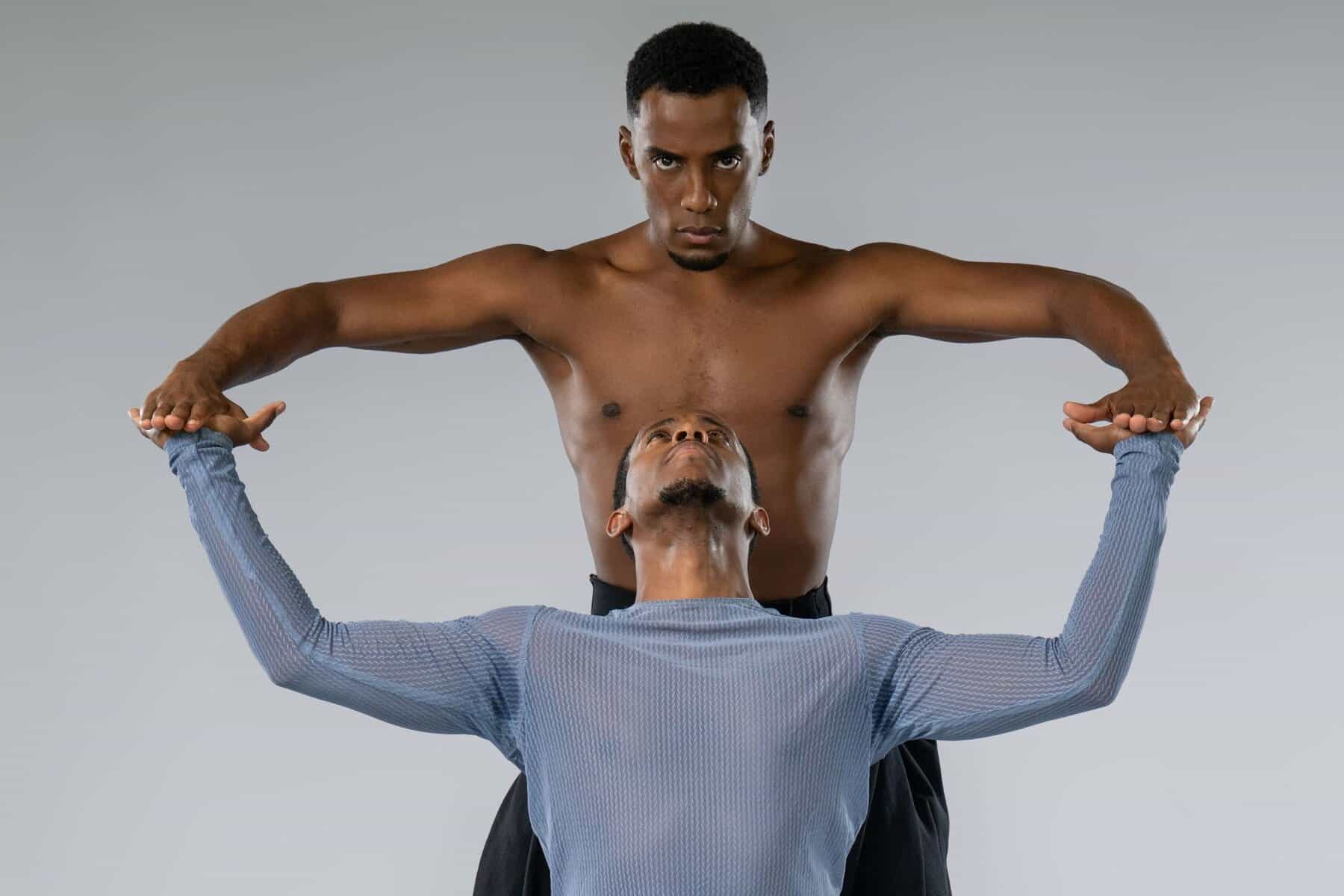
Ruan Galdino is one of ballet’s hottest rising stars.
He looks like he belongs on a Milan catwalk when he’s not on stage doing what he does best, turning music into movement into visual landscapes. And after travelling the world, chose Mzansi as the best place to be.
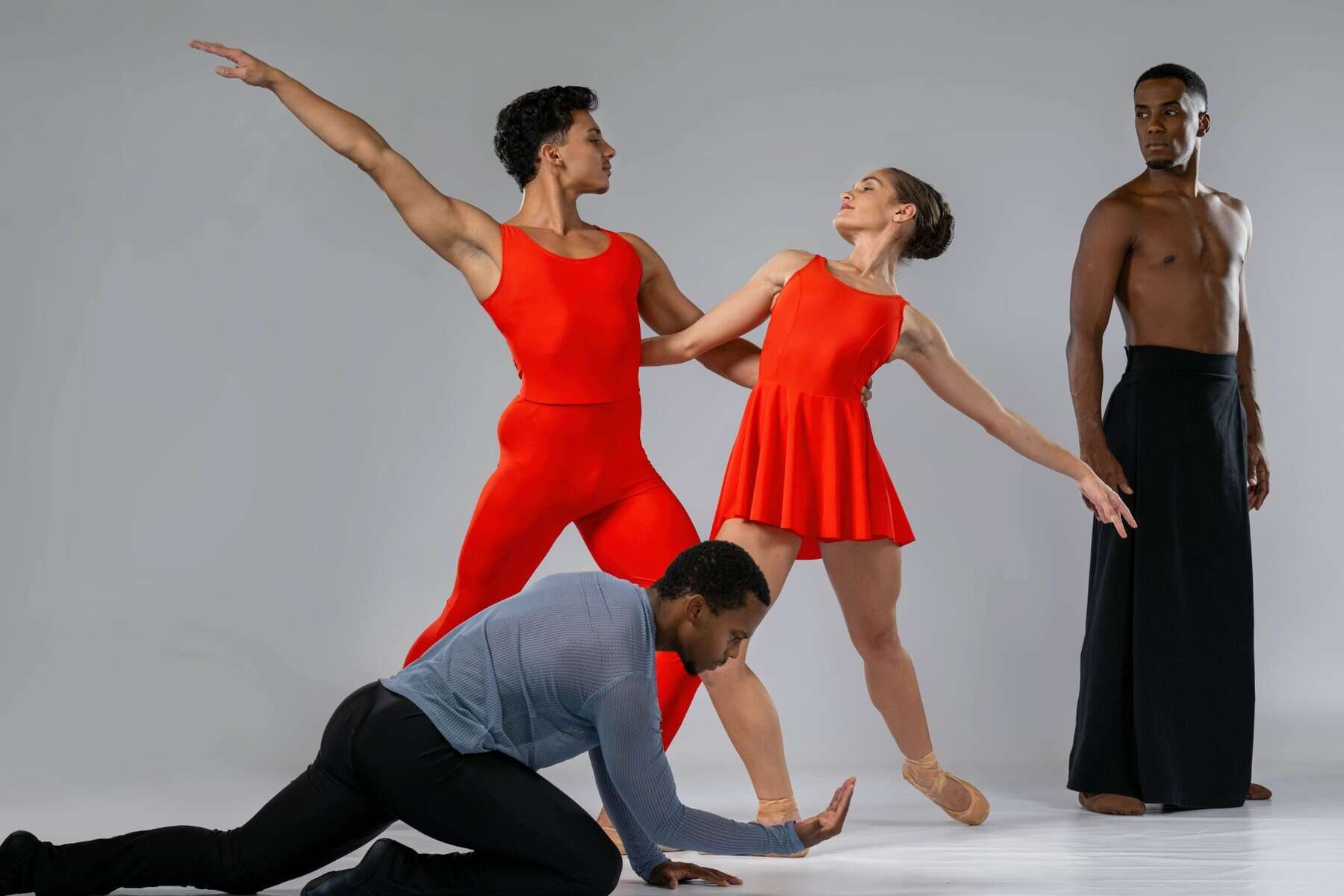
He’s on stage right now at the Roodepoort Theatre in a contemporary ballet program called Juxtapose, presented by the WGRUV Dance Company. It runs until 12 April, whereafter the show goes on tour to the Eastern Cape. Galdino is also a principal dancer at the Joburg Ballet Company.
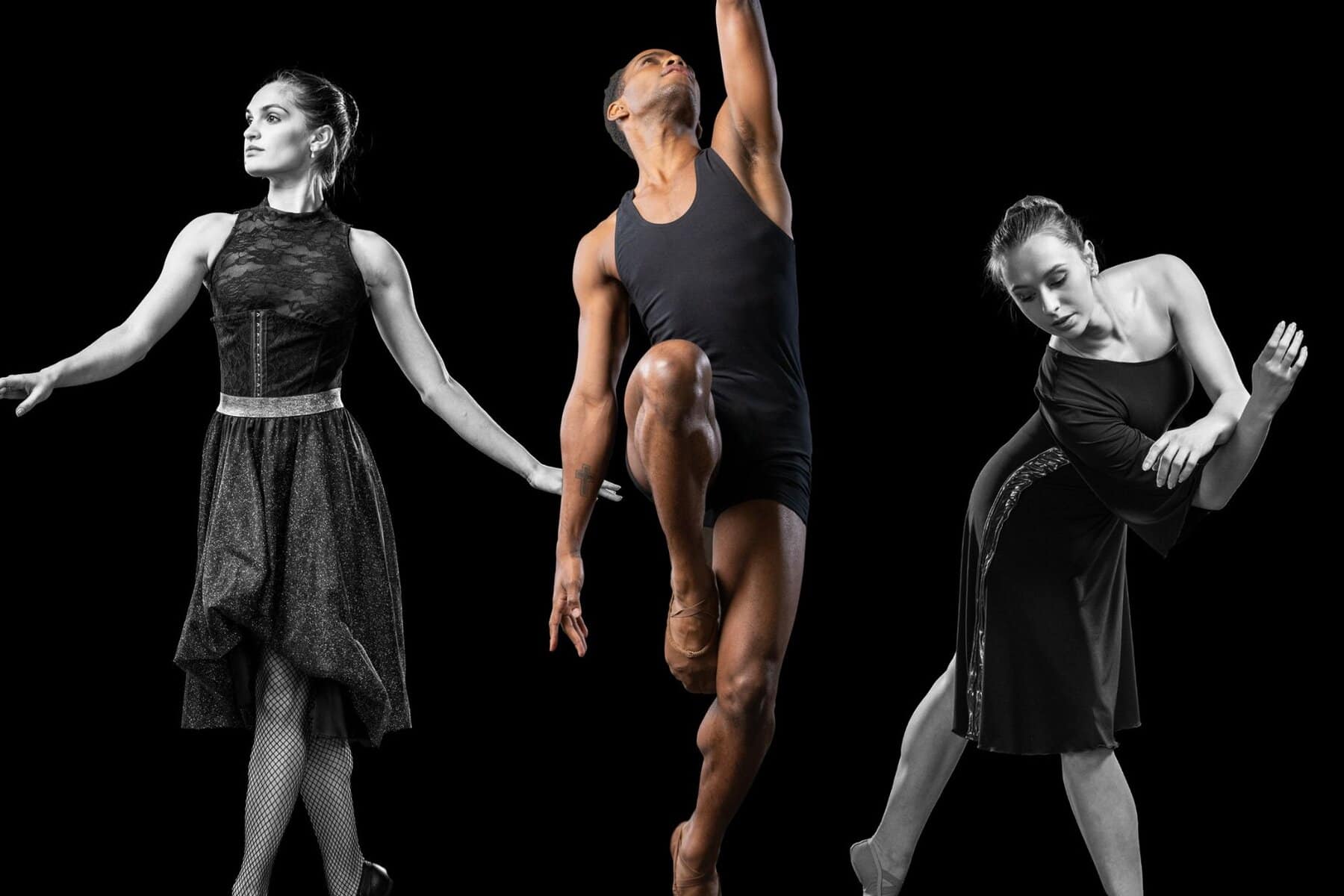
The production, said the show’s producers, blends classical ballet with contemporary movement, using four distinct works to explore themes of vulnerability, memory and transformation.
Across the programme, choreographers Holly Gruver, Lex Gruver and international artist Robyn Mineko Williams use contrast and physical expression to examine what it means to remain human in moments of pressure and change.
Performances include evening and matinee shows with bookings available through Webtickets. This is where you can see Galdino on stage, where he’s at his most comfortable and best.
What did moving from Rio to South Africa change in you beyond geography?
I grew up in a favela in Rio, where life wasn’t easy, but I was surrounded by people who believed in me before I did.
That shaped my discipline early, waking up at 5am for school, then long days of training after I started dancing at 10. It wasn’t glamorous, but it built resilience.
Moving to South Africa felt like being replanted with a new language, culture, and everything. In that uncertainty, I found purpose. It shaped not just my dancing, but who I am, teaching me resilience and trust in something bigger, guiding the journey.
When did ballet become something you couldn’t walk away from?
There wasn’t a single moment. Ballet slowly stopped being something I chased and became something that held me.
I realised I might not have the “ideal” ballet body, but I had artistry, awareness, and a strong work ethic. What kept me wasn’t money, it was purpose.
Knowing this is bigger than me and can impact lives, especially as a Black male Christian in ballet, gave it deeper meaning.
Your trained across Brazil, the US and South Africa…
Brazil gave me feeling and freedom, the US gave me discipline, and South Africa gave me purpose. Performing in Europe and Russia pushed me to raise my standard while reminding me where I come from.
I may not have had the easiest path, but I carry something unique, and I’m grateful for how far I’ve come.
Which role changed you most, technically or personally?
Giselle was one of the most significant. Staged by Iain MacDonald and coached by Dawn Weller, it shaped me deeply.
Sleeping Beauty with Maina Gielgud also pushed me. These experiences demanded honesty and presence, stretching me beyond technique into personal growth.
How have you doubted yourself or gotten hurt?
In 2023, I tore three ligaments in my foot and missed dancing Romeo. Recovery took months and was mentally tough, with fears I might not dance the same again.
Returning to Don Quixote was frightening at first, but stepping on stage became one of my most powerful experiences. It taught me that growth sometimes comes from being still, trusting and rebuilding.
You started Blacks In Ballet…
Reading Why I’m No Longer Talking to White People About Race opened my eyes to the lack of representation in ballet.
I wasn’t seeing bodies like mine in those spaces. With friends Ingrid Silva and Fábio Mariano, we created a platform to share, educate and support Black dancers globally simply to help others feel seen.
What does real change in ballet look like in practice?
It starts with education and awareness, showing that anyone, from any background, can do ballet. But real change is about consistent, long-term support, not just visibility. That’s what creates meaningful progress.
What do young dancers need today that your generation had to figure out?
Through WGRUV, I’ve seen how important guidance, honesty and leadership are. It’s not just about performance but also about development and identity.
Young dancers need spaces where they can grow as people, not just performers, and WGRUV creates that.
How do you see dance contributing to social change today?
Art is a universal language that brings hope and meaning. Simply living my life as a Black male, a Christian, a father, practising a classical form in Africa already says something. It shows that purpose, beauty and tradition are possible for anyone, regardless of background