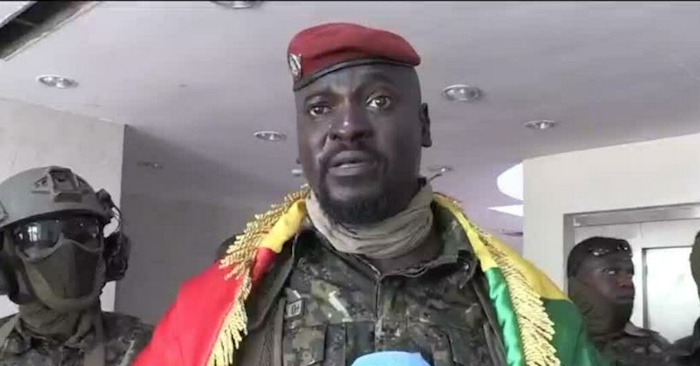
Guinea’s junta leader, Gen Mamady Doumbouya, has taken a commanding lead in a highly controversial presidential election from which his main challengers were barred, according to initial official results.
Gen Doumbouya, who seized power in a military coup four years ago, is seeking to legitimise his rule through the ballot box. However, civil society organisations campaigning for a return to civilian government have condemned the election, describing it as a “charade”, while opposition figures say the poll has been undermined by serious irregularities.
On Monday, internet monitoring organisation NetBlocks reported that access to major social media platforms, including TikTok, YouTube and Facebook, had been restricted as Guineans awaited the announcement of full results. There has been no official explanation for the restrictions, but critics of the junta view the move as an attempt to curb criticism and limit the spread of dissenting views online.
Partial results read out on state television by Djenabou Toure, head of the General Directorate of Elections, show Gen Doumbouya winning more than 80% of the vote in numerous districts of the capital, Conakry. He has also recorded large margins in several other parts of the country, including Boffa and Fria in the west, Gaoual in the north-west, Koundara and Labe in the north, and Nzerekore in the south-east.
After overthrowing then-president Alpha Condé in 2021, Gen Doumbouya publicly vowed not to seek elected office and promised to hand power back to civilians. “Neither I nor any member of this transition will be a candidate for anything As soldiers, we value our word very much,” he said at the time.
That pledge was later abandoned when a new constitution, adopted in September, cleared the way for him to run for president. Although eight other candidates took part in Sunday’s election, the exclusion of Guinea’s main opposition parties the RPG Arc en Ciel and the UFDG has left the contest without candidates possessing strong political bases.
While Gen Doumbouya enjoys popularity among sections of Guinea’s youth, his rule has drawn criticism for restricting opposition activities, banning protests and tightening controls on the media in the lead-up to the vote. The general has defended his 2021 takeover by citing corruption, human rights abuses and economic mismanagement under the Condé administration.
Guinea holds the world’s largest bauxite reserves and some of its richest iron-ore deposits. Last month, authorities launched the massive Simandou iron-ore project amid widespread anticipation. Despite this resource wealth, more than half of the country’s population continues to live in poverty, according to World Bank data.
Erizia Rubyjeana
About the Author