The Thembisile Hani Local Municipality in Mpumalanga has been accused of taking revenue desperation to shocking depths, allegedly targeting grieving families with what residents describe as “extortionate” burial tariffs.
The municipality, with about 50 villages and five established townships, including KwaMhlanga and Tweefontein K, is grappling with severe financial strain, service delivery backlogs and mounting community frustration.
Fresh outrage over cemetery fees
It is now facing fresh outrage after publishing cemetery tariffs that residents have rejected as unjustifiable given the dire state of local burial grounds.
Last month, the municipality published its cemetery fees: R185.24 per adult grave, R92.62 for a child and R648.35 for grave-digging services.
For families in the largely rural municipality with high levels of unemployment and poverty, the charges are seen as an additional burden at a time of grief.
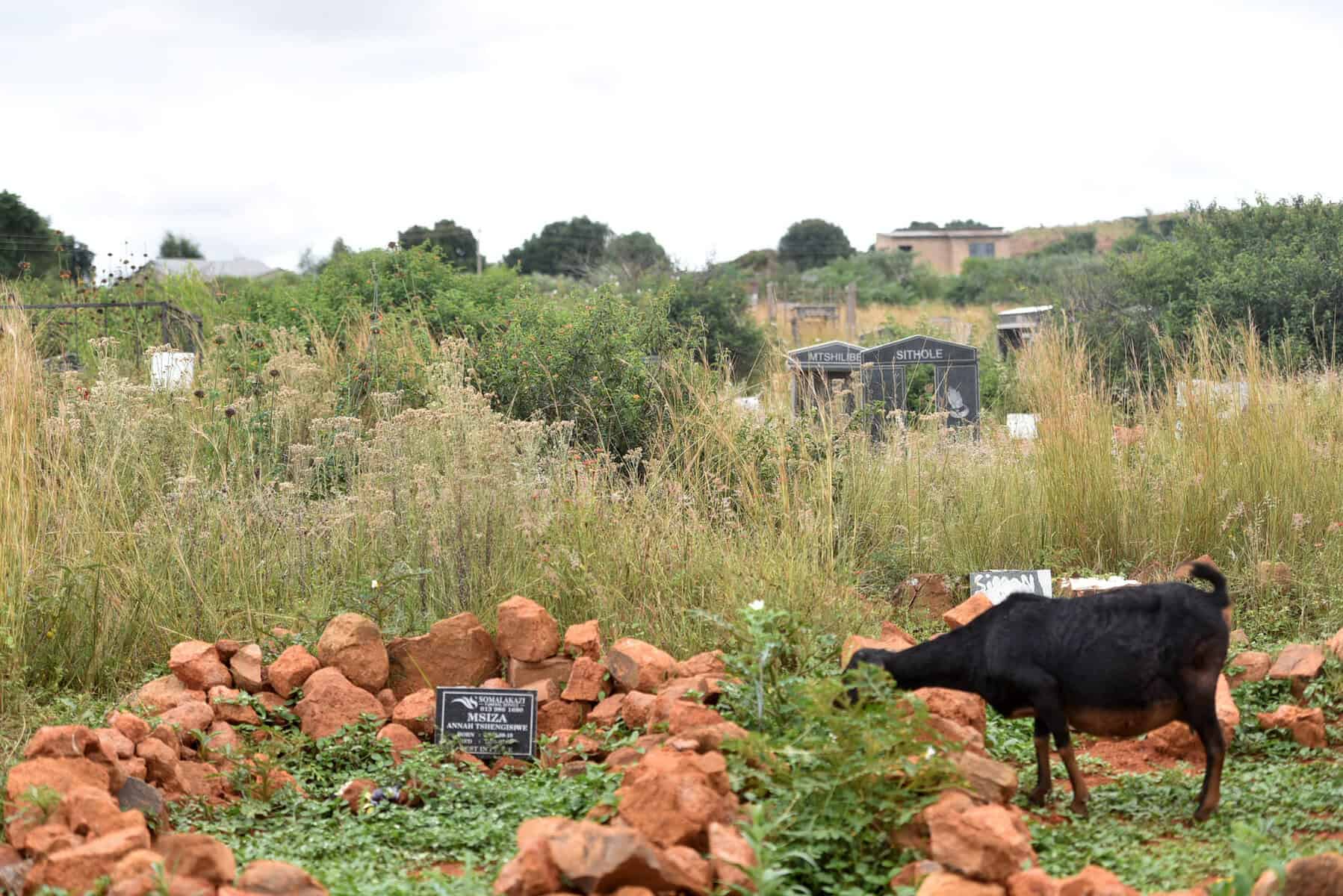
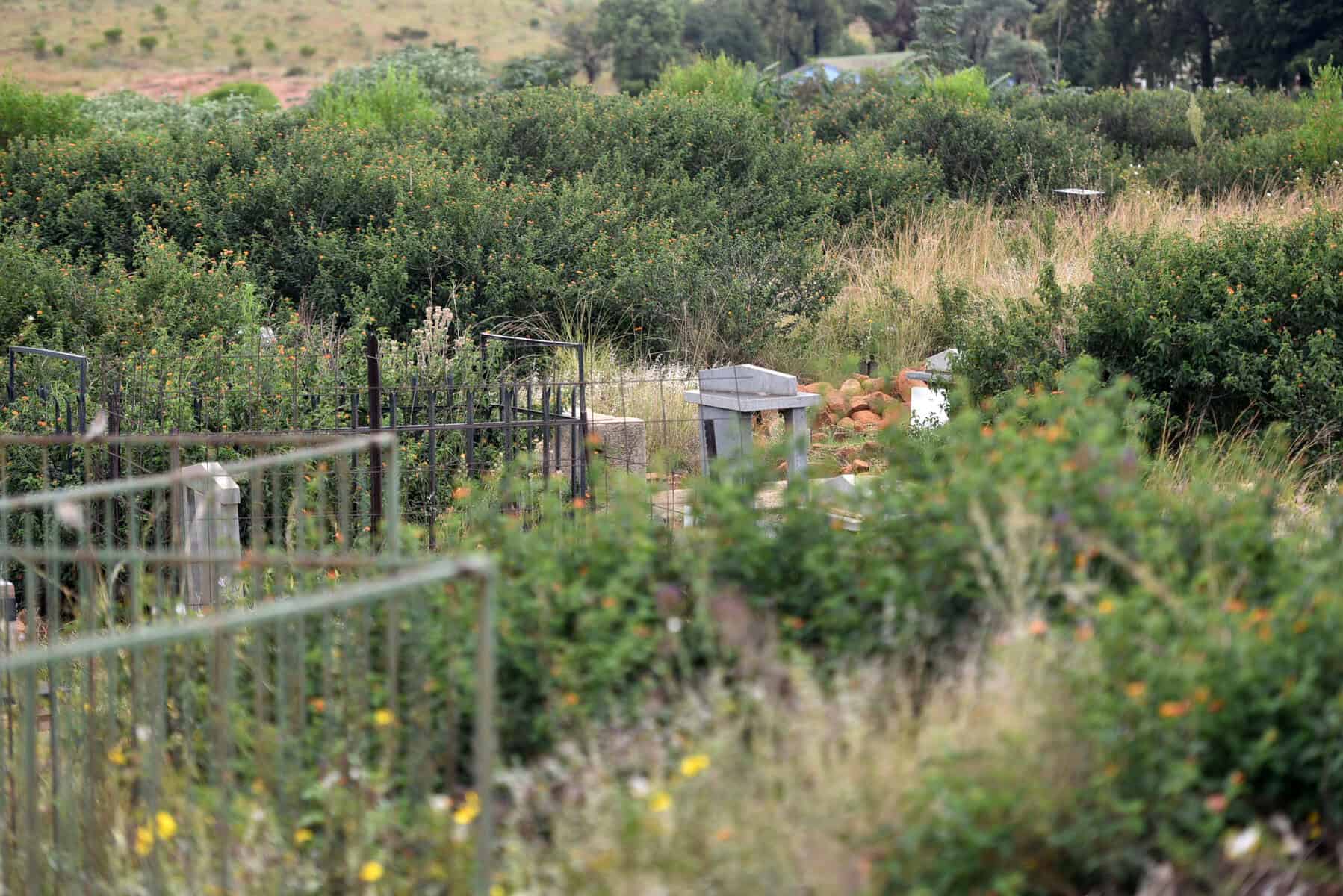
Residents argue they are being forced to pay premium rates to bury their loved ones, yet cemeteries are in visible decay.
Across several sites, graves are overrun with tall grass and invasive vegetation.
Boundary fencing is broken or entirely absent, leaving burial grounds exposed to roaming livestock, toppling headstones.
There are no ablution facilities for mourners, no clearly demarcated walkways and, in many instances, no proper grave numbering system or reliable burial records.
The absence of refuse bins and waste management has worsened conditions, with plastic waste and rubble scattered across some sites.
ALSO READ: ‘Security guards guard nothing’: R30m agri-hub stripped bare

Community questions value for money
Residents argue the issue is not only about tariffs, but about value for money and accountability.
Mountain View resident Adam Mahlangu said: “How can they charge us for services they are not delivering. We must clear the grass ourselves before the funeral and there are no toilets for mourners. So, we are paying for what?”
He said if the municipality cannot maintain basic standards, including fencing, grave mapping, pathways and sanitation, it has little moral authority to enforce burial tariffs.
Tensions over customary land and authority
The controversy has also exposed deeper governance and cultural tensions. Some residents question why they should be required to pay municipal burial fees on land they regard as communal and historically under the custodianship of traditional leadership.
In many rural parts of Mpumalanga, land is administered through customary systems and families have long buried relatives in designated community graveyards without structured municipal intervention.
The introduction and enforcement of formalised tariffs have sparked a debate about jurisdiction, land ownership and the role of local government in spaces traditionally managed through customary authority.
“Customarily, when there is a death, we notify the local tribal authority office. The office will then send a representative to attend the actual burial. The community then digs the grave, on land authorised by the traditional authority,” said Mabhoko villager Kosinathi Ndala.
The residents said clearer engagement was needed between the municipality and traditional leadership to define responsibilities around cemetery management, maintenance and revenue collection.
ALSO READ: R20 million later, Boitumelo clinic remains a hole in the ground
Municipality defends long-standing tariffs
Municipality spokesperson Simphiwe Mokako had not responded to questions by the time of publishing.
On its social media platforms, the municipality said payment for burial space and cemetery services is regulated by municipal bylaws and the “tariffs were long-standing”.
The municipality has recently embarked on an intense revenue collection drive, including pushing for residents to pay for services it can barely provide.
Audit findings signal ongoing weaknesses
Over the past five financial years, the municipality’s audit trajectory reflects persistent governance weaknesses, despite marginal improvements.
After receiving a qualified audit opinion in 2019-20, the municipality improved to an unqualified audit opinion with findings in 2020-21, a status it has maintained unchanged through 2021-22, 2022-23 and 2023-24.
Though an unqualified opinion indicates that the financial statements are fairly presented, the repeated “with findings” outcome signals ongoing deficiencies in areas such as internal controls, compliance with legislation and performance reporting.
NOW READ: Gauteng health fails to spend R725m as health care crumbles
About the Author