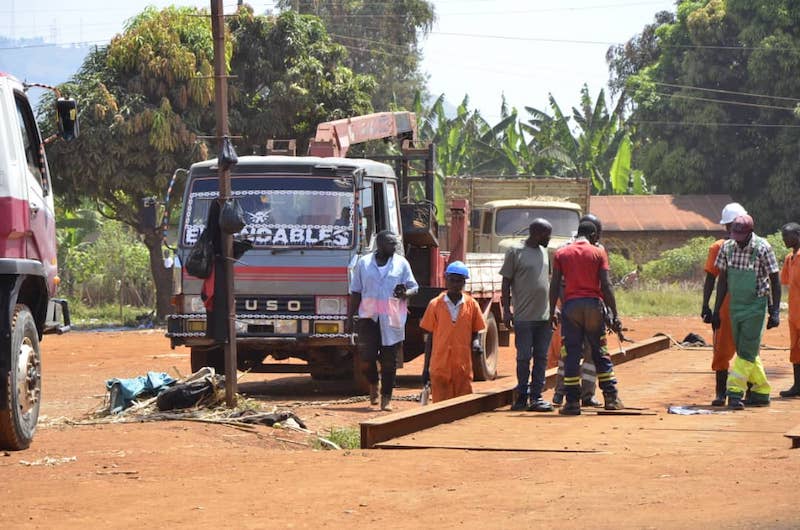
The meeting brought together farmers, millers, security agencies and local leaders to address mounting complaints about theft and disputes in the sugarcane value chain.
Officials at the meeting acknowledged that theft had been occurring and that roadside weighbridges had contributed to the problem by providing ready markets for stolen cane. Farmers described significant losses, saying the current system had enabled middlemen and brokers to profit from stolen harvests.
State Minister for Trade Gen Wilson Mbadi said weighbridges must operate within established laws and policies, warning against their misuse.
“If operated well, weighbridges facilitate trade to enable a farmer know the weight before selling their products. How can weighbridges be best used as facilitators of trade, not facilitators of theft?” Mbadi said.
He added that disputes around theft and weighing could be resolved through dialogue among stakeholders.
He said part of the consignment was stolen, and attempts to verify the tonnage proved futile. According to Byaruhanga, the weighbridges did not keep proper records of individual farmers, making it difficult to trace losses or confirm the quantity delivered.
New operational framework
Under the new arrangements, weighbridges will operate strictly as weighing points, with no buying or selling of sugarcane allowed at the sites.
The facilities will also be relocated away from active cane trading zones to reduce opportunities for theft and illegal transactions. New locations will be identified through a consultative process involving all stakeholders, led by Masindi resident district commissioner (RDC) Darius Nandinda.
The meeting also agreed on a major shift in the cane supply chain. Trucks will pick sugarcane directly from farmers’ fields and transport it straight to factories, eliminating intermediary trading points.
Officials said the change is intended to remove middlemen and close the loopholes that allowed stolen cane to enter the formal market.
Traceability measures
Stakeholders also agreed to introduce traceability measures across the value chain, including branding and identification of trucks transporting cane. Authorities say the move will make it easier to track the origin of consignments and detect suspicious deliveries.
Kinyara Sugar Ltd welcomed the outcome of the meeting, saying it addressed long-standing complaints from farmers.
“We welcome the dialogue chaired by the Trade minister to resolve the controversy of rampant sugarcane theft that has been fueled by weighbridges,” said Kinyara public relations officer Francis Mugerwa.
He said the decision allowing non-contracted farmers to sell to any miller, provided the cane is picked directly from the garden, would remove middlemen from the process.
“We are grateful that the meeting resolved that non-contracted farmers can sell their sugarcane to a miller of their choice so long as the cane is loaded inside the garden and directly transported to the miller, thus removing middlemen and brokers at roadside weighbridges,” he said.