Screenshot
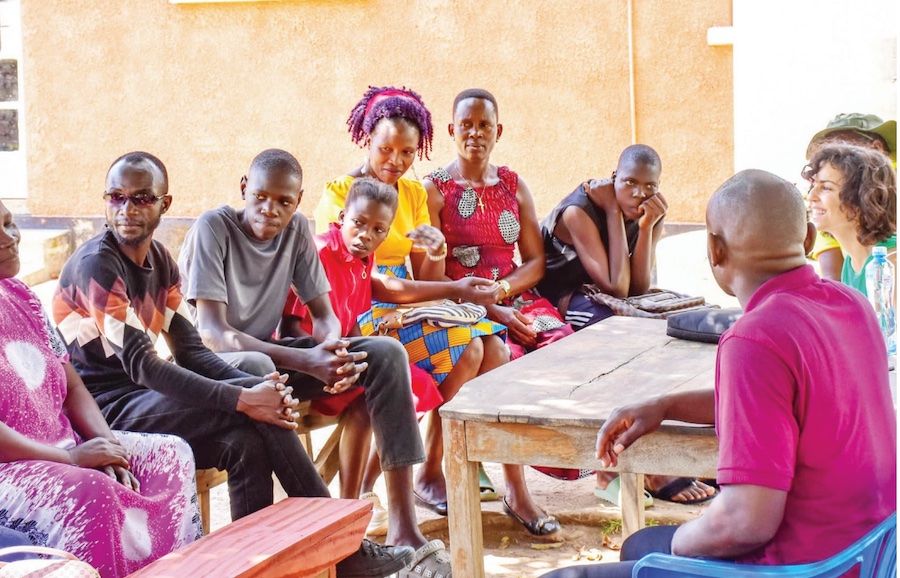
In response to widespread poor parenting practices including physical and emotional abuse, neglect, harsh discipline, excessive control, lack of emotional support, and aggression and their adverse effects on children’s development, Action for Life Skills and Values in East Africa (ALiVE) has rolled out parental and community engagement activities through structured community dialogues.
The dialogues aim to raise awareness about the importance of life skills and values while promoting collective responsibility for nurturing them at home, in schools, and within the wider community.
Conducted over a ten- week period, the sessions have become a powerful resource, transforming caregivers’ attitudes and revitalising family environments. Implemented across several districts including Oyam, Tororo, Mukono, and Sheema,the initiative has resulted in noticeable improvements in parenting practices.
Many parents report positive changes in how they raise their children, with a growing preference for dialogue and understanding over harsh disciplinary methods.
FROM HARSH DISCIPLINE TO DIALOGUE
Rhoda Patel, a mother of four and a resident of Oyam Town Council in Oyam District, says her children’s behaviour had become increasingly concerning. Shouting, beating, and forced compliance were once her primary methods of discipline.
However, after attending the parenting sessions, Patel adopted dialogue and open communication an approach she says has proven effective in raising responsible children. The restaurant operator explained that her children previously struggled to solve problems independently or carry out domestic chores, especially in her absence.
That, she said, changed after the training. “Talking to my children and listening to their challenges and ideas has transformed their behaviour. They used to lie, avoid chores, refuse to listen, and only go to church when forced. Now, I sit them down and explain the benefits of hard work, honesty, church attendance, and good behaviour in the community,” Patel said.
She recalled an incident involving her son, who sat Senior Six this year.
“He returned home for the holidays with an apology letter, promising never to lie again. He used to ask for money for trips and fieldwork that never took place. After realising that I had spoken to the head teacher, he apologised. I did not beat or shout at him,” she said.
MOTHERS EMBRACE POSITIVE PARENTING
Susan Jemimah Ikima, also a resident of Oyam Town Council, admitted she had previously been a harsh parent, often resorting to severe corporal punishment even for minor mistakes.
“I am now a reformed mother. Dialoguing with my children and assigning them household responsibilities such as fetching water, washing clothes, and cooking has reduced stress in my home. They can now do a lot of work even in my absence,” she said.
Ikima added that she has become more intentional about monitoring the content her children consume on television and mobile phones.
“The parenting lessons opened my eyes. I now control what they watch to prevent unhealthy behaviour,” she explained.
She noted that her husband initially resisted the new parenting approach, but after discussions, they now jointly raise their children in a more positive manner. Ikima’s home has since become a model household, attracting parents seeking guidance.
In the past three months alone, she has counselled a friend’s child in Gulu who was reportedly unruly. The boy, who lives with a stepmother, has since reformed and apologised to the family.
TEACHER CONFESSES AND REFORMS
Tonny Opio, a teacher at Angweta Primary School in Iceme Sub-county, admitted that he was once a harsh father and disciplinarian.
“One had to catch me in a good mood to speak to me. Every child feared me both at my former school, Apworocero Primary School, and at Angweta, where I currently teach,” Opio said.
He parenting lessons helped him identify challenges and resolve them through dialogue.
“Talking to children is the way forward. It is also important to be mindful of the tone used when speaking to them,” he noted.
Christopher Arojo, a resident of Kasipodo Village in Kayoro Sub-county, Tororo District, said parents must model respect, honesty, and trustworthiness, as children learn by example.
“I give my children freedom to ask questions and take responsibility, especially during holidays. Previously, they could not speak to me directly without going through their mother, but that has changed,” he said.
He observed that the gap between parents and children in the community has significantly narrowed, with families now setting aside time often after supper to discuss issues such as cultural values, behavioural norms, and life skills.
Some parents, particularly men, admitted they had previously neglected responsibilities such as taking children for medical care. Arojo confessed that he once punished his children harshly, including denying them food.
“Now I talk to them. There is no punishment because they understand and respond to guidance,” he said.
Abbo Susan, a mother of four, shared that she has transformed after attending the parenting sessions.
“I now make time for my children, listen to them, address their concerns, and help solve their daily challenges. I also allow them to take risks because they learn more from mistakes than from being overprotected,” she said.
Like many traditional African parents, Abbo admitted that she previously relied on beatings and scolding for every mistake. However, dialogue and discussion now take centre stage in her home. Solomon Okello, a resident of Kasipodo Village, has emerged as a community “Angel Gabriel,” spreading messages of positive parenting.
His influence extends beyond his household, helping many children become disciplined and responsible members of society.
“I speak to the youth around me. They used to be very destructive, often fighting at the borehole where I serve as chairperson. They damaged the water shelter, ruined nearby crops, and disrupted the peace. After speaking with them, they have changed. They now listen and go home early when advised,” he said.
Okello also guides parents, encouraging them to raise responsible children while avoiding harmful or nonspiritual values and practices.
COMMUNITY LEADERS NOTE POSITIVE CHANGE
James Omoding, Chairperson of Kasipodo Village, said the community has undergone a remarkable transformation, citing a decline in drunkenness and child neglect.
“Men used to spend more money on alcohol than on their children’s needs. After discussions, many are now prioritising food and basic necessities, improving children’s nutrition,” he said.
At his own home, Omoding said children now care for livestock and poultry after learning that these are shared family assets and a source of school fees.
“Cases of children running away, drunkenness, and other unhealthy behaviours have reduced. Good parenting practices are spreading as parents admire the positive changes in fellow families,” he added.
CHILDREN ATTEST TO THE CHANGES AT HOME
Angecheri Manjeri, a 17-year-old Senior Three student at Dabani Girls Secondary School in Tororo, said her parents have taught her to be truthful, honest, and creative, making the most of available resources.
“Unlike before, we now take responsibility at home through assigned roles and activities. My mother encourages risk-taking and saving, which inspired us to form the UWEZO Children’s Savings Group in Kasipodo,” she said.
She admitted that she used to lie to her parents and disliked going to church, feeling it offered no benefit. After learning from friends, however, she now arrives among the first at church for prayers.
Shillah Anyokeorit, a 15-year-old Senior One student at Great Aubrey Memorial College in Tororo, said her mother has undergone a remarkable transformation through the parenting lessons, and their family now enjoys better times together.
“Following the training, my mother encouraged us to save money, which led to starting a savings group,” she explained.
“We are now responsible children. We do household chores whether our parents are home or not. They no longer need to worry about preparing meals, feeding animals, or other daily duties.”
Florence Aitye, a 16-year-old Primary Seven pupil at Utro Primary School, added that her grandparents previously handled all household tasks because they doubted her abilities. Now, however, they trust her, and she has greatly improved, especially in cooking and managing responsibilities.
UWEZO CHILDREN’S SAVINGS GROUP
Formed earlier this year in Kasipodo Village, the UWEZO Children’s Savings Group is emerging as a game changer for its 15 members. The group is chaired by Manjeri, with Shillah Anyokeorit as secretary and Florence Aitye as treasurer.
So far, the group has saved Shs 150,000. Before the end of December, the group plans to invest in a pig and a goat.
“We save as little as Shs 100 per member from vegetable sales and pocket money,” Angecheri said.
The animals will be kept at a neighbour’s home, fondly referred to as Jajja (grandmother), as most members attend boarding schools. The group hopes the animals will multiply so that each member can eventually receive one.
In the long term, they plan to register the group, recruit more members, and offer low-interest loans to the community.
geofreyserugo1992@gmail.com
About the Author