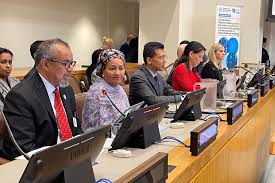
For the first time, world leaders have agreed on a global plan to address noncommunicable diseases alongside mental health, at a meeting of the United Nations General Assembly.
In a statement, the World Health Organization said the declaration marks the first-ever commitment by governments to tackle chronic illnesses, including heart disease, cancer, diabetes and chronic respiratory diseases, together with mental health conditions, recognising their growing toll on lives, health systems and economies worldwide.
Noncommunicable diseases account for nearly three-quarters of all global deaths, while mental health conditions affect more than one billion people and are a leading cause of disability.
The declaration sets measurable targets to be achieved by 2030, including reducing tobacco use, improving control of high blood pressure, promoting healthier diets and physical activity, and expanding access to mental healthcare and psychosocial support for millions more.
WHO Director-General Tedros Adhanom Ghebreyesus described the commitments as a “once-in-a-generation opportunity” to change the course of global health, reduce preventable deaths and improve quality of life.
The declaration also emphasises prevention, calling for action on key risk factors such as tobacco, alcohol, unhealthy diets, air pollution and physical inactivity.
It urges countries to strengthen national health policies, integrate mental health into primary care, expand access to essential medicines and services, and secure sustainable financing to turn pledges into action.
Governments are now expected to translate these commitments into concrete action, with regular UN reporting tracking progress toward the 2030 targets. The success of the declaration will depend on sustained political will, funding, and global cooperation to ensure that millions of people affected by chronic illnesses and mental health conditions can access the care and support they need.
About the Author