Global efforts to expand access to quality, affordable healthcare received a boost as the World Bank Group and partner countries announced progress toward reaching 1.5 billion people by 2030.
Fifteen countries have launched National Health Compacts, five-year, country-led plans to strengthen primary healthcare, improve affordability, and create jobs in the health sector. Since April 2024, these efforts have reached 375 million people, with 45 countries now scaling proven primary care approaches.
The 2025 Global Monitoring Report, released at the Tokyo Universal Health Coverage (UHC) High-Level Forum, shows 4.6 billion people still lack essential health services, while 2.1 billion face financial hardship due to medical costs.
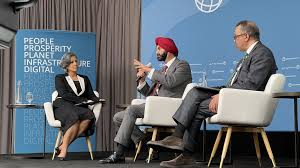
World Bank Group President, Ajay Banga, stressed that strong primary healthcare systems protect lives and drive economic growth. “Countries are stepping forward with clear priorities, and we are helping deliver practical solutions at scale”, he said.
The 15 countries with new compacts include Bangladesh, Egypt, Ethiopia, Fiji, Indonesia, Mexico, Morocco, Nigeria, the Philippines, Sierra Leone, Syria, Tajikistan, Uganda, Uzbekistan, and Zambia. Reforms focus on workforce development, facility modernization, digital tools, insurance expansion, and coordinated government targets.
In Nigeria, plans include training 10,000 pharmaceutical and biotech professionals, expanding local production of vaccines and medicines, and strengthening regulatory systems.
To support these reforms, the World Bank, Gavi, and the Global Fund announced aligned financing of $2 billion, with philanthropic partners mobilizing an additional $410 million. Technical assistance and workforce support are provided by WHO, Japan, the UK, and Seed Global Health.
The Tokyo UHC Forum convened health and finance ministers, business leaders, philanthropies, and civil society to accelerate coordinated action toward resilient, equitable health systems worldwide.
About the Author