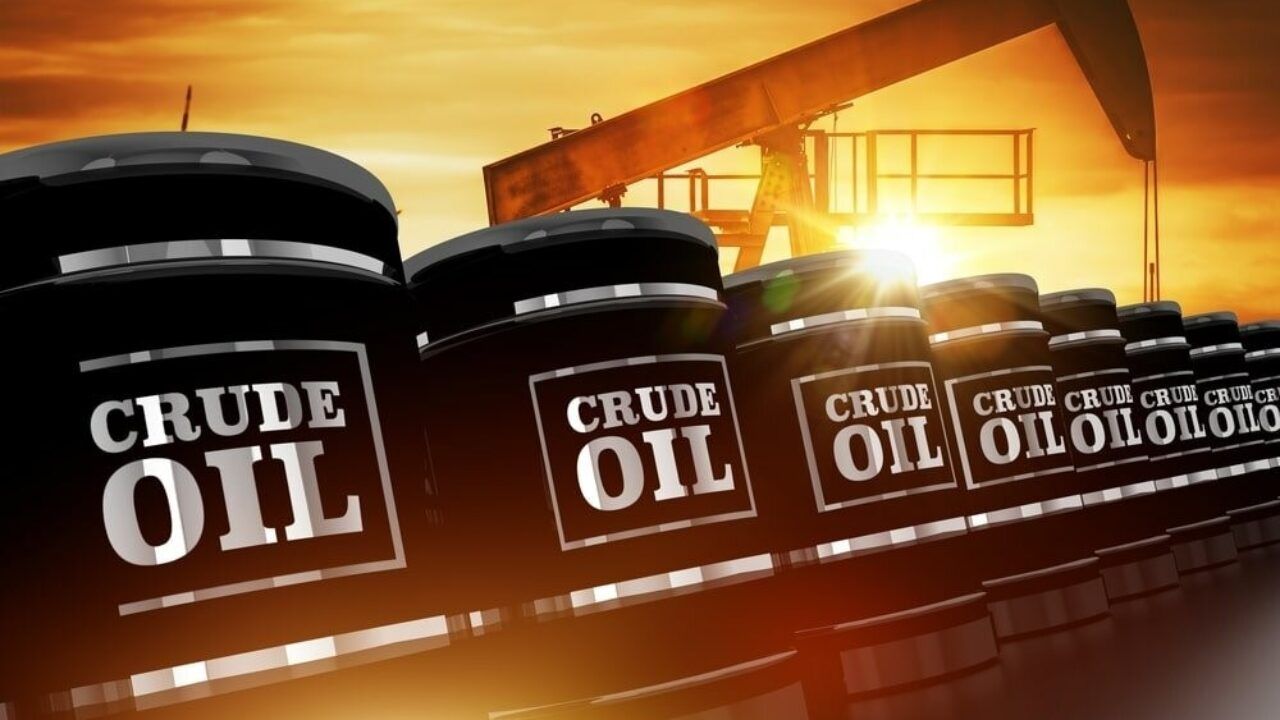
Oil supply disruptions at a critical global chokepoint could trigger inflation spikes and economic slowdown worldwide within months….
The global economy could be headed for serious turbulence if the ongoing Middle East conflict stretches beyond six months, according to a top energy executive who warned that the current disruption to oil flows is already testing the limits of global resilience.
Speaking during an interview on the sidelines of a major economic forum in Beijing, the CEO of a leading European energy giant cautioned that while markets can absorb short-term shocks, a prolonged crisis would have far-reaching consequences.
At the center of the concern is the growing disruption around a vital maritime route responsible for a significant share of the world’s oil supply. Under normal conditions, roughly one-fifth of global crude passes through this corridor daily. However, escalating tensions have effectively blocked a substantial portion of that flow, removing millions of barrels per day from international markets.
The immediate impact has been partially cushioned by existing reserves. Many countries and companies have leaned on stored inventories to stabilize supply and prevent sharp price spikes. But this buffer is not infinite.
“If the situation is resolved within a few months, the system can cope,” the executive explained. “But beyond that window, the strain becomes much harder to manage.”
The concern is not just about oil availability, but the broader ripple effects across economies. Sustained supply constraints could drive up energy prices globally, feeding into higher transportation and production costs. This, in turn, would likely accelerate inflation and slow economic growth across both developed and emerging markets.
Compounding the challenge is the lack of readily available alternative sources to replace the disrupted supply at scale. Unlike previous crises where production could be ramped up elsewhere, current global capacity offers limited flexibility.
As tensions remain unresolved, policymakers and industry leaders are closely watching developments, hoping for a swift de-escalation. The longer the disruption continues, the greater the risk that its economic impact will deepen, potentially affecting everything from fuel prices to household expenses worldwide.
For now, the world is managing. But as the clock ticks, the margin for error is shrinking.
About the Author