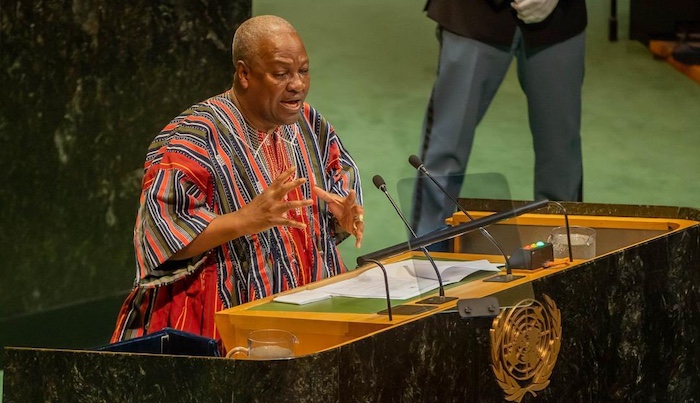
Ghana’s Permanent Representative to the United Nations, Samuel Yao Kumah said the proposal is aimed at strengthening international acknowledgement of the historical injustices and long term global impacts of the slave trade.
Kumah stressed that the resolution is not intended to rank historical atrocities or compare suffering, but to formally recognise a system that profoundly reshaped the modern world and continues to influence global inequality.
He noted that crimes such as genocide, apartheid, and colonial violence remain firmly condemned under international law, adding that the initiative focuses on recognition rather than legal hierarchy.
For Ghana, the proposal represents an effort to confront history openly while encouraging broader dialogue on justice, accountability, and reparative measures.
Kumah also said supporting the resolution should be viewed as a shared moral responsibility rather than an accusation, arguing that acknowledging the past is essential to promoting dignity, equality, and truth.
Between 1501 and 1867, more than 13 million Africans were forcibly taken across the Atlantic through the transatlantic slave trade, a legacy that continues to shape global social and economic inequalities today.
Goodness Anunobi
About the Author