Berlin moves to ease pressure on households while warning prolonged Middle East conflict could weigh heavily on growth worldwide…..
Germany is stepping in to cushion the blow of soaring energy costs, with Chancellor Friedrich Merz announcing a temporary cut in fuel taxes as the economic fallout from the escalating Middle East conflict intensifies.
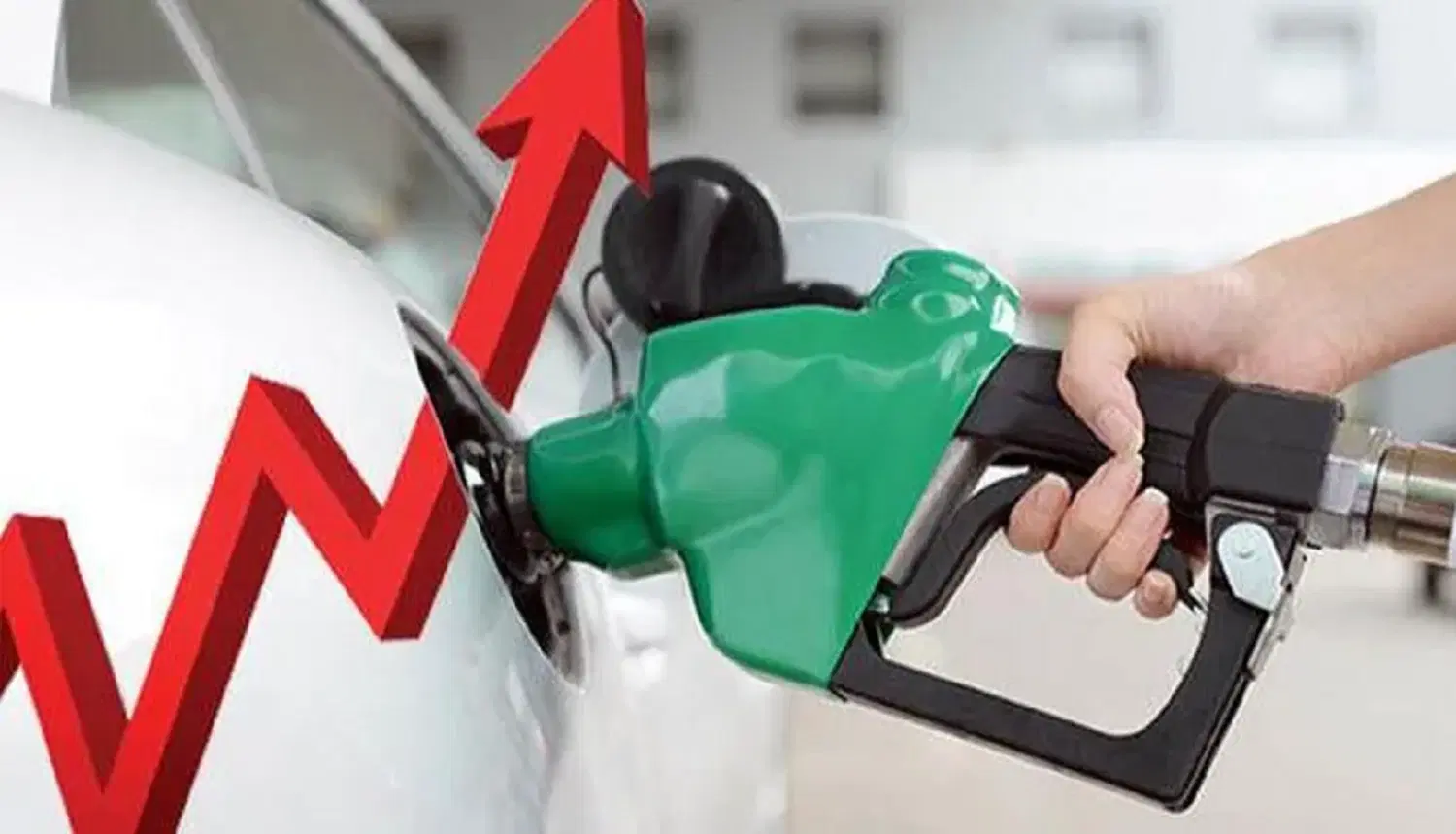
Speaking on Monday, Merz said the government would reduce petrol and diesel taxes by roughly 17 euro cents per litre for the next two months, offering immediate relief to households and businesses grappling with surging fuel prices.
The move follows a sharp rise in global oil markets triggered by the collapse of U.S.-Iran negotiations and Washington’s decision to impose a naval blockade on the Strait of Hormuz, a critical artery for global energy supplies.
Merz made it clear that the conflict lies at the heart of Germany’s current economic strain, warning that its effects will not fade quickly. While the tax cut is designed to provide short-term relief, he cautioned that the government cannot fully shield the economy from global shocks.
“This crisis is driven by events beyond our borders,” he said during a press briefing in Berlin. “We can soften the impact, but we cannot eliminate the risks entirely.”
Alongside the fuel tax reduction, the government will allow companies to grant employees tax-free bonuses of up to €1,000 to help offset rising living costs. Inflation has already begun to climb, adding further pressure on consumers.
To help finance the relief measures, Berlin plans to accelerate a scheduled increase in tobacco taxes, according to Finance Minister Lars Klingbeil.
Europe’s largest economy has been particularly vulnerable to the surge in energy prices. German industries especially manufacturing were already facing mounting challenges from international competition and trade tensions before the latest crisis pushed costs even higher.
Economic outlooks are already shifting. Leading research institutes have significantly downgraded Germany’s growth forecast for 2026, reflecting concerns that prolonged instability could drag on investment, production, and consumer spending.
Merz acknowledged the scale of the challenge, warning that the economic burden could persist well beyond the immediate crisis.
The impact is being felt far beyond Europe.
In the Philippines, President Ferdinand Marcos Jr. also unveiled emergency measures to ease the strain on consumers, announcing cuts to taxes on key household fuels such as liquefied petroleum gas and kerosene. The reductions are aimed at lowering everyday energy costs, particularly for lower-income families who rely heavily on these fuels.
Marcos said further adjustments including possible reductions on gasoline and diesel are under consideration, as authorities brace for continued volatility in global oil markets.
The Southeast Asian nation remains highly exposed to disruptions in the Middle East, relying on crude shipments that pass through the Strait of Hormuz. With supply routes under pressure, domestic fuel prices have surged dramatically, driving up transport and food costs.
Recent data shows inflation accelerating, with food prices rising at nearly double the pace recorded just a month earlier, a trend that underscores how quickly geopolitical tensions are feeding into everyday living expenses.
As governments scramble to respond, the broader picture remains uncertain. With no diplomatic breakthrough in sight and strategic waterways at risk, the economic consequences of the conflict are beginning to take hold and could linger far longer than policymakers hope.