In the 80s and 90s, everyone longed for the 60s and 70s. Now, the 90s are having a moment, but it seems as if it is a larger-than-life pause in popular culture. This, as the world is in geopolitical and economic shambles, while GenZs are discovering a simpler time.
Research shows that there is a growing global desire for authenticity, and it is beginning to reshape how people listen to music. It’s more than nostalgia as younger generations are not just revisiting the late 80s and 90s; they are returning to a time when music felt less engineered and more like a comfortable pair of jeans.
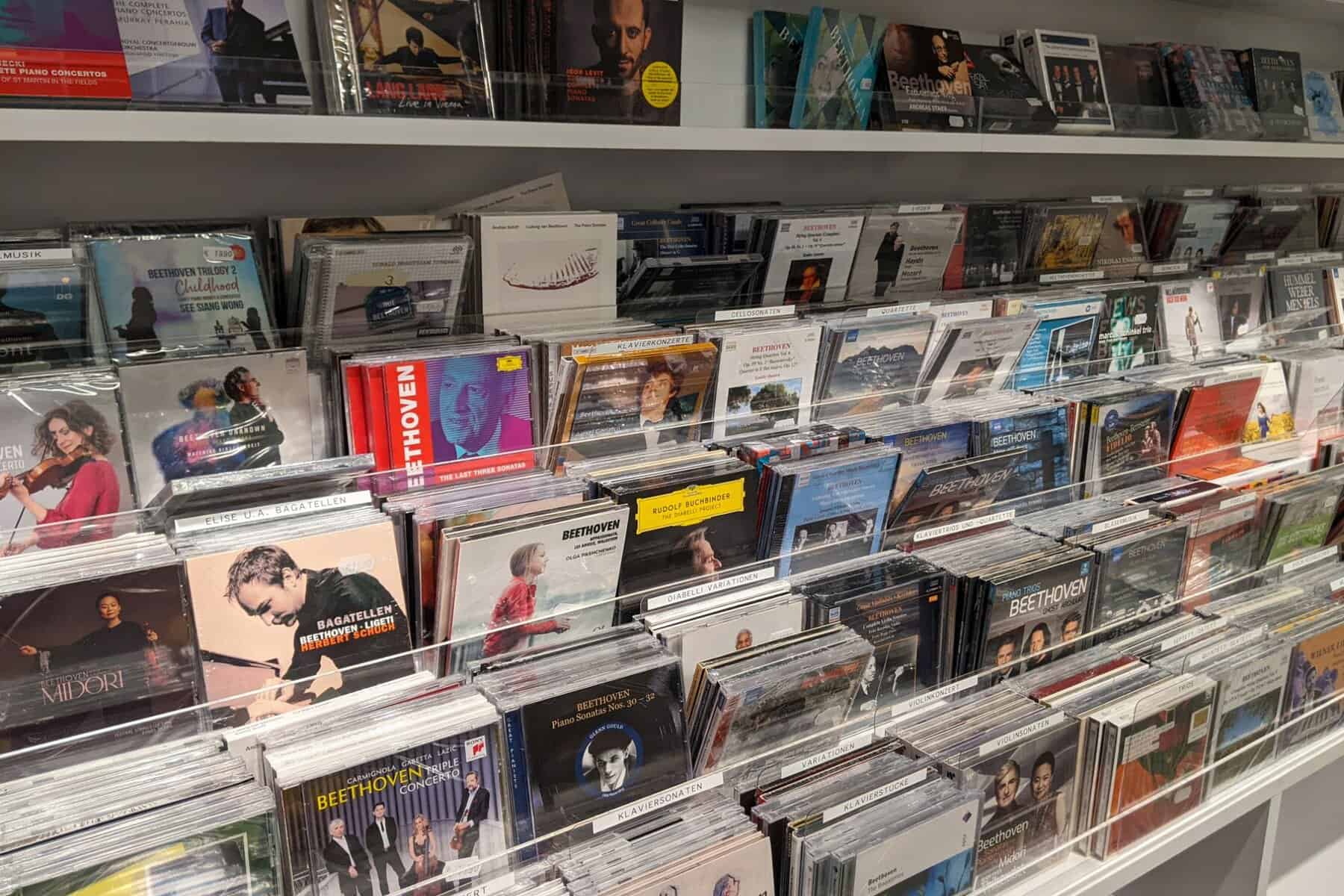
Vinyl Junkie in Blairgowrie’s owner and music industry legend Benjy Mudie said that vinyl records, CDs and even DVDs have become relevant again, and highly desirable. Demand for physical media has surged, reaching sales levels not seen in decades, he said. “But statistics alone do not explain why Gen Z, raised on streaming and instant access, is now choosing formats that require effort and patience,” he said.
Instant access exhaustion
Research across the web hints that digital fatigue, a desire for meaningful experiences, and a need for ownership in an environment where access is often temporary or rented, are driving this trend.
Cultural analyst and futurist Carmen Murray said this gravitation toward the past is not happenstance.
“Nostalgia isn’t an illness; it’s a coping mechanism we turn to when the present feels unstable or disconnected.” She said the 90s have become “a cultural refuge, not because they were perfect but because they represent the last time life felt human-paced, not algorithm-paced.” For Gen Zs who did not live through that period, the appeal is not memory but meaning. “It’s less about remembering the past and more about longing for what it represents, simplicity, authenticity, and a slower way of living,” she said.

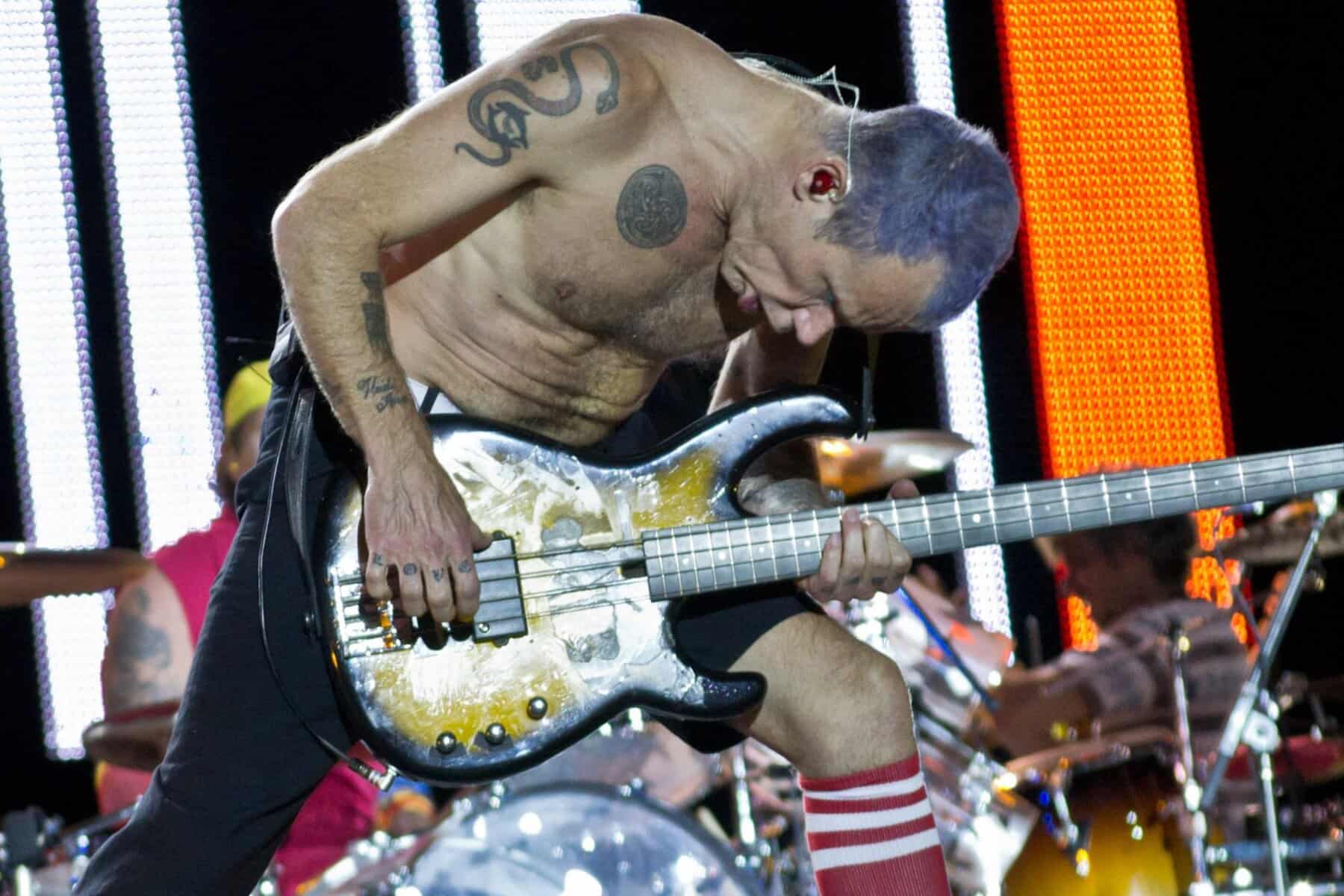
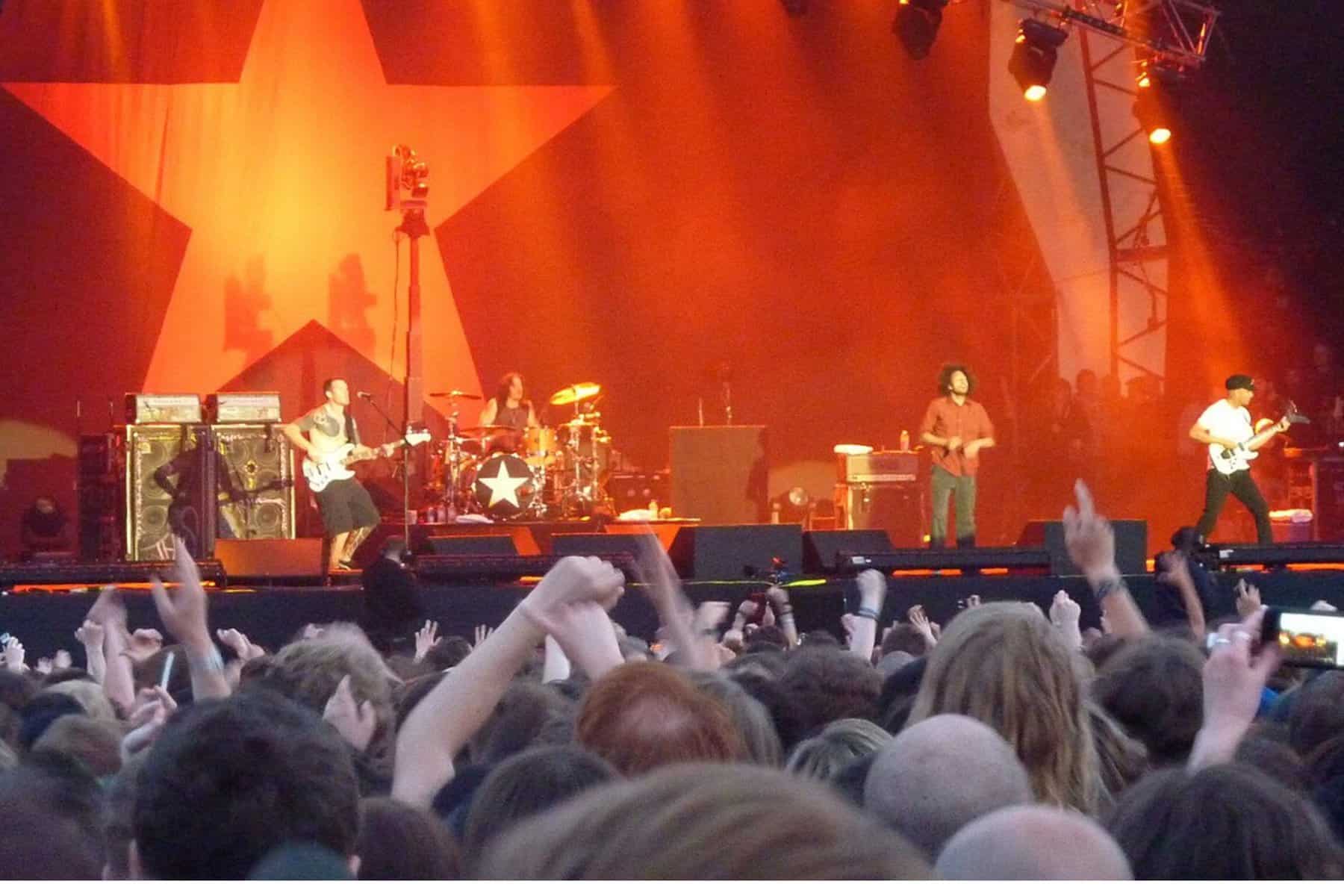
Mudie said his customer base has changed significantly. “My market has changed from being, 10 years ago when I started it, a collector-driven market with a smattering of young people, to being 80% young people,” he said. These customers are not browsing out of curiosity, Mudie said. “They come in, and they want the Peppers. They want System of a Down, they want Rage Against the Machine, and all the hip-hop stuff, and then Oasis, and Britpop, ” he said.
GenZs want Rage Against The Machine
The music from the 80s and 90s, said Mudie, was created during a time defined by albums rather than singles, by artists rather than algorithms, and by an industry that still allowed space for imperfection. He said that is what GenZs are responding to. “It’s a continuation of particularly young people’s search for honest music, and music that has substance,” he said.
ALSO READ : U2’s ‘Songs of Ash’ is exceptional protest music
Listening to an album on vinyl is not passive, he said, it requires presence and attention. “The beautiful thing about vinyl, in addition to its arguably superior sound quality, is the artwork,” he said. “People can buy a record, put it on the turntable, kick back, and read the lyric sheet or look at the fold-out artwork. It’s a visceral thing that people are after. Something genuine.”
Analysis of online commentary showed that physical media provides a sense of permanence while also giving users control over what they own and access. Murray said nearly half of Gen Z feels nostalgic for older media, with a significant portion of consumption focused on content more than a decade old. In a hyperconnected environment, nostalgia has been shown to reduce anxiety, increase social connection and restore a sense of meaning.
Mudie added that buying music or film on physical media is also a bit of a rebellion. “People are tired of being told what to buy, and they’re tired of being told what to see,” Mudie said. Murray added that it’s not a trend. “This is going to become a new way of living,” she said.
Mudie has watched it unfold over time. “I’ve watched the whole thing go full circle now,” he said.
Now Read: ‘Roger Waters: The Wall’ is an epic watch of powerful music