
Nigeria could experience a surge in oil revenue from the ongoing global energy crisis, even as citizens grapple with rising petrol prices, according to energy analyst Gbolahan Olojede, who says the country stands to benefit from higher crude oil prices despite the immediate economic strain on consumers.
Speaking during an interview with ARISE News on Thursday, Olojede explained that Nigeria’s position as an oil-producing country means rising global oil prices could translate into higher government revenue and increased foreign exchange earnings.
According to him, “Because Nigeria is an oil-producing country, a significant amount of our revenue and foreign exchange earnings come from oil. So when oil price goes up, we’re able to make more money.”
He added that higher oil prices could also encourage increased production, noting that oil companies are more likely to invest in exploration and production when global prices rise.
“When the price is high, there’s an attraction to put more rigs to work and drive more production. Essentially, we’re going to have what you may call a windfall for Nigeria,” he said.
However, the analyst acknowledged that Nigerians are currently facing the negative effects of rising global energy prices, particularly in the form of higher fuel costs.
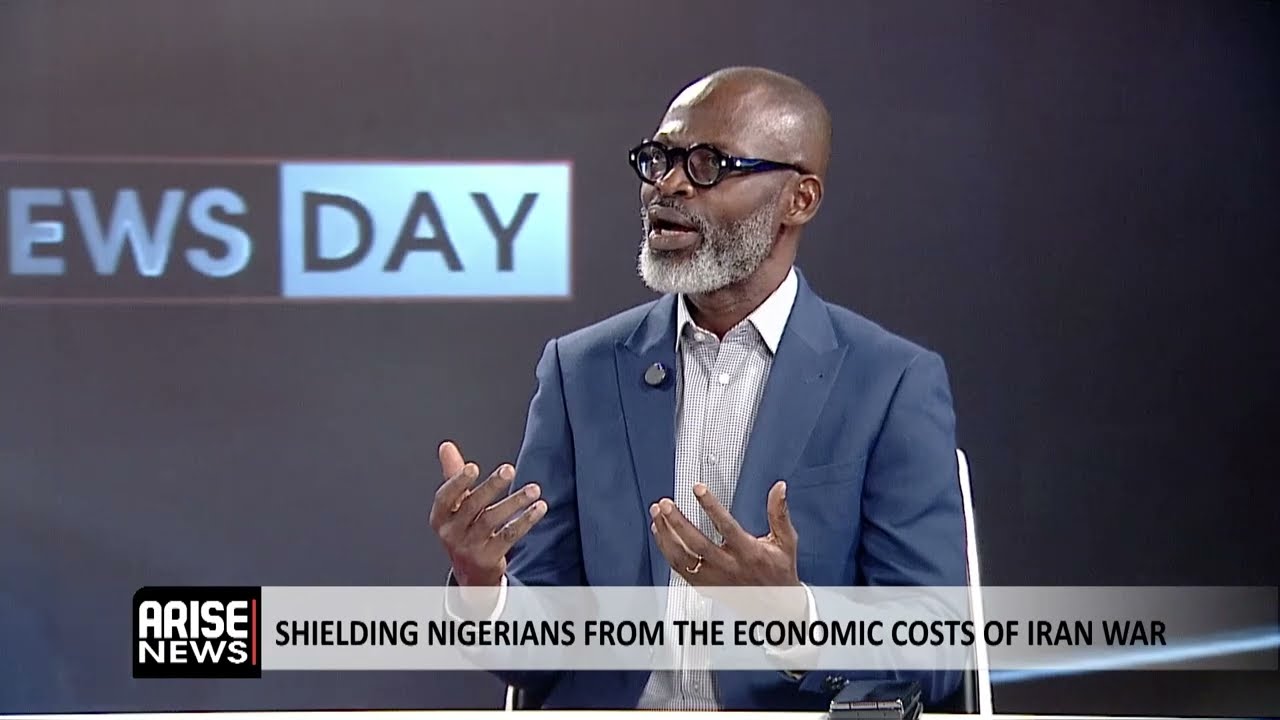
While the country may earn more revenue from crude exports, he noted that domestic fuel prices are influenced by international market forces, making short-term relief difficult.
“Short-term policy measures are a bit tough,” he said, suggesting that the government could ease pressure on consumers by making more crude oil available to local refiners.
Olojede explained that refining crude locally could reduce additional costs associated with importing refined petroleum products, such as freight, insurance, and other logistics expenses.
“If the oil is already in Nigeria, some of those costs can be saved, and the savings could be passed on to the eventual consumers of locally refined products,” he said.
He also warned that returning to a subsidy regime may not be a sustainable solution, citing past challenges associated with corruption and mismanagement.
“It’s a space of subsidy which we have not shown the capacity to manage effectively, and it could introduce huge fraud again,” he said.
Looking ahead, Olojede suggested that increased government revenue from higher oil prices could be invested in long-term infrastructure projects such as public transportation and alternative energy systems.
“If we make more money from oil and plug some of those savings into transport infrastructure, buses, trains and CNG systems, the people will ultimately benefit,” he noted.
He also stressed the need for greater investment in compressed natural gas (CNG) infrastructure and public awareness to encourage adoption as a cheaper alternative to petrol.
Triumph Ojo
About the Author