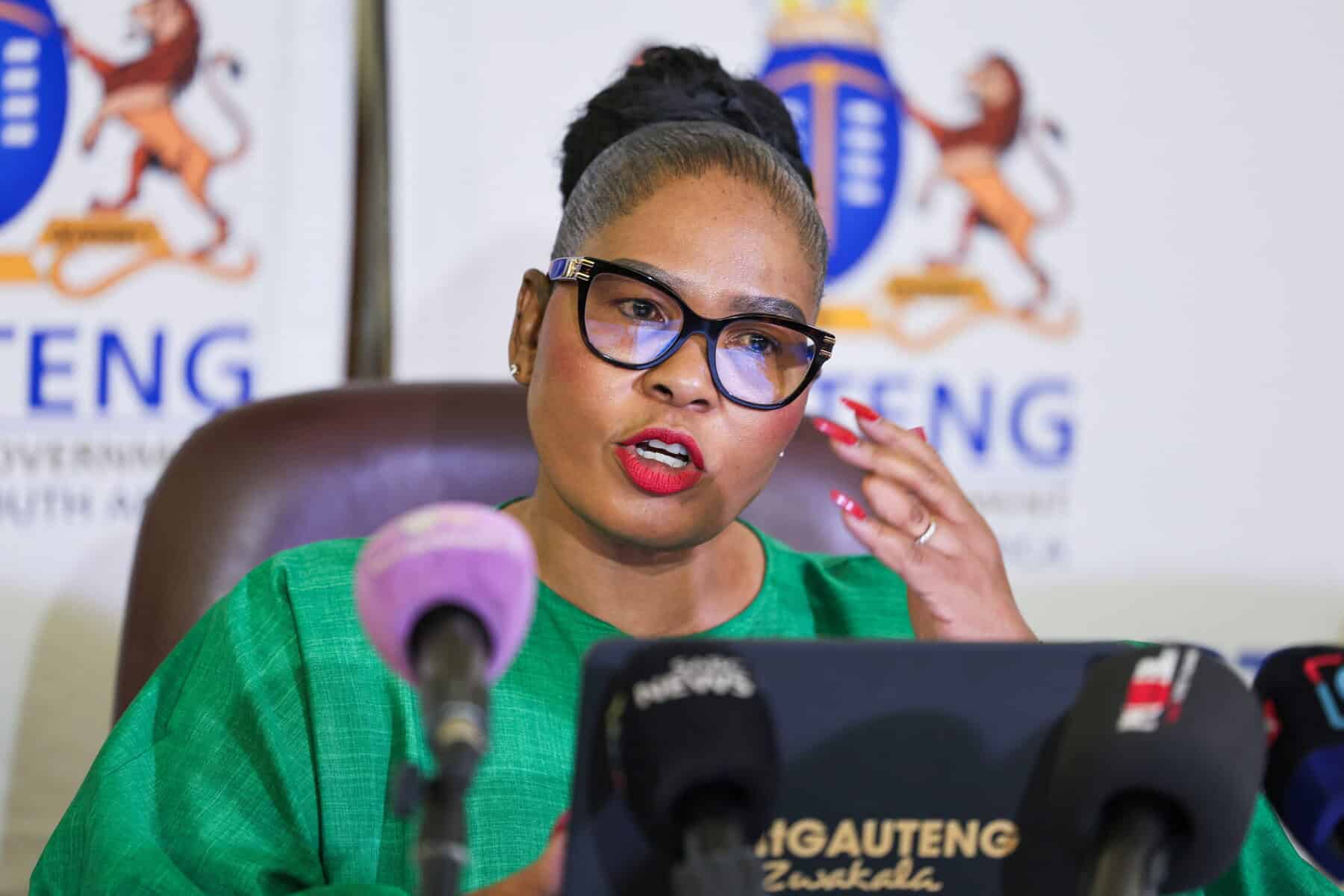
JOHANNESBURG, SOUTH AFRICA - OCTOBER 15: Ms Nomantu Nkomo-Ralehoko (Gauteng MEC of Health and Wellness) updates on the implementation of provincial government's key priorities on Day 1 at Gauteng Provincial Legislature Auditorium on October 15, 2025 in Johannesburg, South Africa. The briefings provide an opportunity for the MECs to communicate progress and challenges in their respective departments. (Photo by Gallo Images/Luba Lesolle)
The Gauteng department of health has dismissed reports it failed to spend its allocated budget as misleading, saying its prescribed PFMA in-year monitoring reports for the 2025-26 financial year show it is instead projecting an overspend of R1.2 billion on its adjusted budget.
And instead of providing reasons for the underspending, the department said in a statement yesterday: “It’s therefore misleading to conflate the department’s current-year spending pressures with the underspending recorded in the 2024-25 financial year.”
Department disputes underspending claims
Yesterday The Citizen reported the department was projected to underspend by a staggering R725 million in the 2025-26 financial year ending 31 March, as revealed by the Gauteng finance and economic development department in an official provincial legislature reply.
The department’s response comes amid criticism on the failure to fully utilise its budget while hospitals struggle with infrastructure backlogs, staffing shortages and payment delays to suppliers.
Avoiding the elephant in the room, the department harped on the “projected overspending” which, it said, was largely driven by the settlement of historical accruals, particularly relating to medicines, medical supplies and consumables.
It pointed to increased demand for services at public health facilities, with higher patient volumes placing pressure on already stretched resources.
ALSO READ: Health dept denies ARV shortage despite tendered companies entering business rescue days later
In addition, the department cited rising costs of medical consumables and services, which it said have exceeded the inflation assumptions used during the formulation of the 2025-26 budget.
‘Significant corrective measures’
The department said it has introduced “significant corrective measures” aimed at stabilising financial management and improving compliance.
These include strengthened expenditure controls and intensified oversight of payment processes.
According to the department, progress has been made in improving payment timelines, with 79% of service providers paid within 30 days in the second quarter of the financial year, rising to 80% in the third quarter.
The department added it remains committed to restoring financial discipline and strengthening accountability, while ensuring available resources were directed towards patient care, infrastructure improvements and supporting health care workers.
It said it would continue to engage with oversight bodies and stakeholders to address systemic challenges and ensure sustainable delivery of public health care services in the province.
NOW READ: Mpumalanga hospital under fire for allegedly sending brain surgery patient home early
About the Author