Despite Gauteng’s increased projected expenditure for the coming years, some members of the provincial legislature (MPL) say it is not enough.
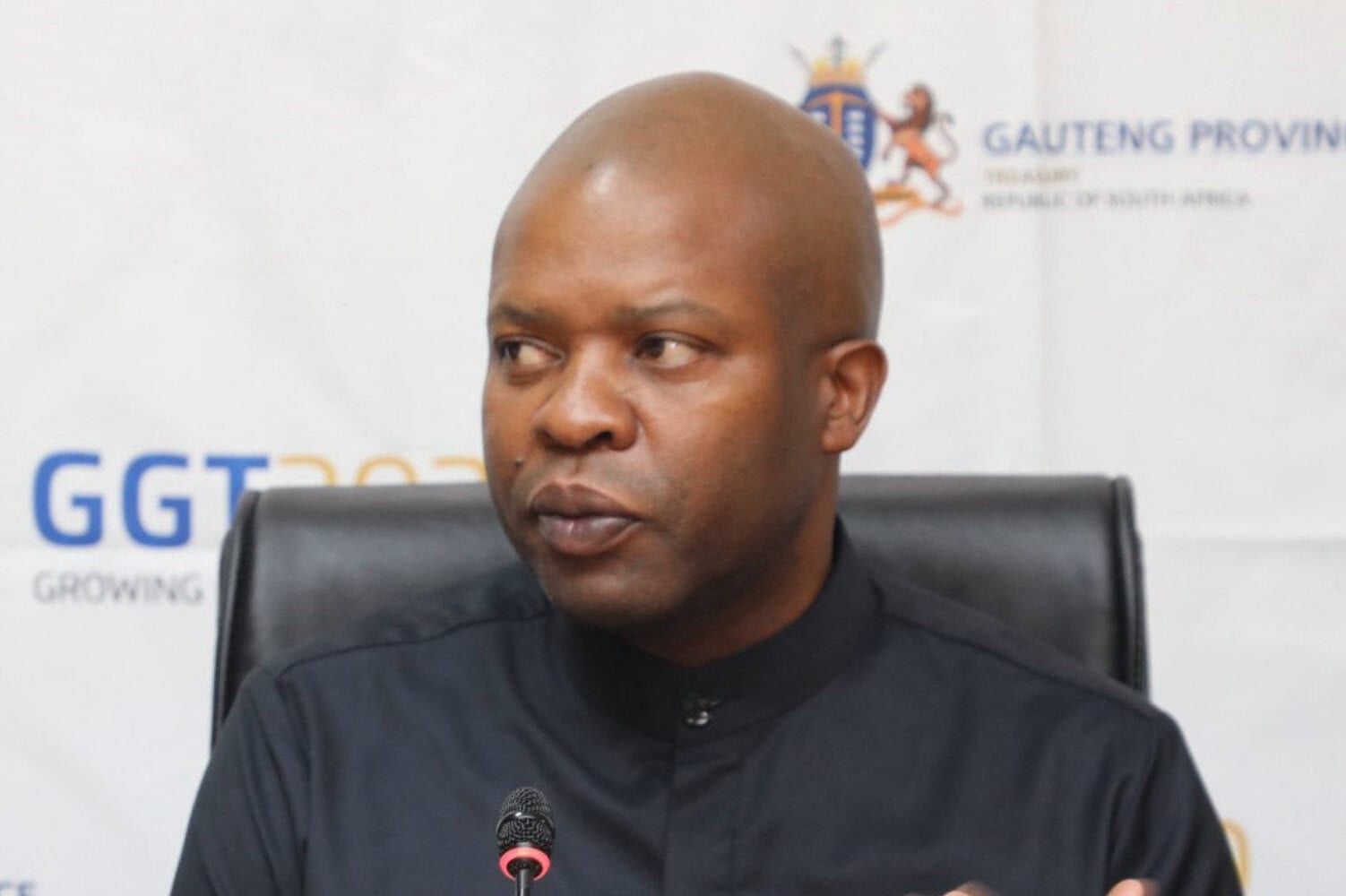
MEC for Finance and Economic Development Lebogang Maile presented his 2026-27 Medium Term Expenditure Framework on Tuesday.
Maile allocated over R220 billion each for education and health in a R549 billion budget to be split over the next three years.
Farmers left empty handed
The DA’s Bronwynn Engelbrecht stated that the budget was a “sobering message” for farmers knee-deep in one the worst foot and mouth disease (FMD) outbreaks in recent memory.
Maile allocated R63 million of his R179 million 2026-27 expenditure on the agricultural sector, making little mention of FMD, save for CCTV cameras in rural areas to monitor livestock.
“For a disease capable of crippling livestock production, destroying livelihoods, and disrupting food supply chains, this allocation is alarmingly small,” noted Engelbrecht.
The Gauteng Department of Agriculture on Friday stated that there were 230 active FMD cases in the province, with 300 000 animals facing possible infection.
Without curtailing the spread of FMD, Englebrecht warned that meat supply would tighten, prices would increase and agricultural jobs would be on the line.
While 303 000 vaccine doses have been administered in Gauteng, and a further 70 000 mores does are expected in the province, Englebrecht said more needed to be done.
“For the farmers, markets are closing and income has evaporated overnight. The MEC appears dangerously out of step with the scale of the crisis,” she concluded.
More money for economic development
Build One South Africa (Bosa) suggested Maile’s priorities were skewed, after allocating a disproportionately low amount to economic development.
Maile clamed Gauteng had created the most jobs the previous financial year, but Bosa highlighted that roughly 30% of the province’s workforce was unemployed and that 54 000 jobs had left the province.
“If Gauteng is meant to be the economic heartbeat of South Africa, then the country today resembles an economic ICU on a respirator,” the party stated on Tuesday.
While accepting the importance of the other portfolios, Bosa questioned why economic development was less than a third of human settlements and social development.
The party added that it had hoped to see a greater commitment to bulk infrastructure for water and electricity supply, improved safety and security and a focus on the township economy, as those were the propellants of growth.
“With elections approaching, this budget risks becoming a document aimed at short-term relief rather than long-term prosperity.
“Gauteng residents need jobs, thriving businesses and an economy that works,” Bosa concluded
Cutting irregular expenditure
A lack of pragmatic cost cutting and the was the standout theme observed by the Freedom Front Plus.
Additionally, the party highlighted that the R3.6 billion increase from the pervious year was not enough to address the province’s needs.
“This means the Gauteng government will have to implement additional internal cost-saving measures,” stated MPL Advocate Anton Alberts.
Tightening fiscal irregularities could have saved roughly R3 billion in the previous financial year, he noted.
The departments where irregular expenditure was most rife were health, housing, social development and infrastructure development – departments that have been allocated almost R300 billion over the next three years.
Listing R520 million lost on viability studies for housing projects that never materialised, the department of education’s R1.5 billion in irregular expenditure, Alberts said rigid procurement measures were necessary to “plug other gaps”.
Maile said during his budget speech that digitisation of procurement procedures and centralised budget monitoring would ensure more effective expenditure.
“These initiatives will result in high-quality, real-time data that empowers better planning, enhances transparency, and enforces fiscal discipline,” the MEC stated.
NOW READ: Gauteng budget: Here’s where the money is going
About the Author