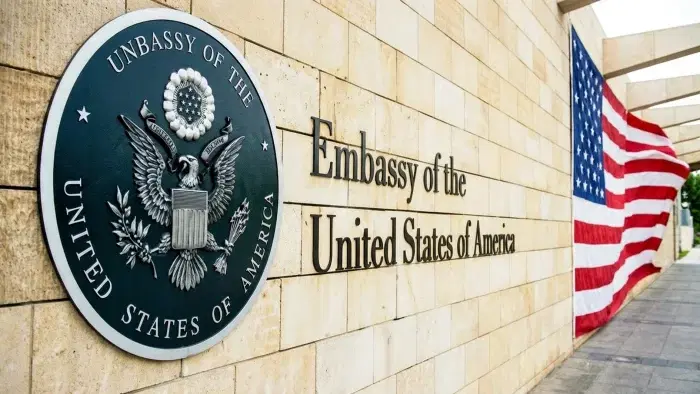
The US Embassy in Nigeria has identified 23 states across the country as high-risk areas, advising its non-emergency staff and their families to avoid them due to worsening security conditions.
In its latest travel advisory, updated on April 8, 2026, the embassy urged American citizens to reconsider visiting Nigeria, citing persistent threats such as crime, terrorism, kidnapping, and civil unrest.
The overall advisory for Nigeria remains at Level 3: Reconsider Travel, while several regions have been escalated to Level 4: Do Not Travel. Newly added states to the highest-risk category include Plateau, Jigawa, Kwara, Niger, and Taraba.
Providing details on staff movement, the US Department of State stated:
“On April 8, 2026, the Department of State authorised non-emergency US government employees and UA government employee family members to leave US embassy in Abuja due to the deteriorating security situation,” the advisory stated.
It further warned civilians, noting:
“Reconsider travel to Nigeria due to crime, terrorism, unrest, kidnapping, and inconsistent availability of health care services. Some areas have increased risk,” it added.
States listed under “Do Not Travel”
- Borno
- Jigawa
- Kogi
- Kwara
- Niger
- Plateau
- Taraba
- Yobe
- Northern Adamawa
Explaining the risks in these areas, the advisory said, “The security situation in these states is unstable and uncertain due to civil unrest. Widespread violence between communities and armed crime, including kidnapping and roadside banditry. Security operations to counter these threats may occur without warning,” the advisory noted.
Additional high-risk states due to unrest and kidnapping
- Bauchi
- Gombe
- Kaduna
- Kano
- Katsina
- Sokoto
- Zamfara
Southern states flagged for crime risks
- Abia
- Anambra
- Bayelsa
- Delta
- Enugu
- Imo
- Rivers (excluding Port Harcourt)
Highlighting concerns in southern regions, the department cautioned, “Crime is widespread in Southern Nigeria. There is a high risk of kidnapping, violent protests, and armed gangs,” the department cautioned.
The advisory also stressed that violent crimes such as armed robbery, carjacking, and kidnapping for ransom remain common, adding that US citizens are often targeted because they are perceived as wealthy.
It further warned that terrorism threats remain high in public places including markets, shopping centres, hotels, and places of worship. In addition, it noted that Nigeria’s healthcare services are inconsistent and generally fall below American and European standards.
Despite the warnings, the State Department advised Americans who still plan to travel to Nigeria to enrol in the Smart Traveler Enrollment Program (STEP) for real-time updates.
Travellers were also urged to exercise extreme caution, avoid large gatherings or demonstrations, and establish personal safety measures, including “proof of life” protocols.