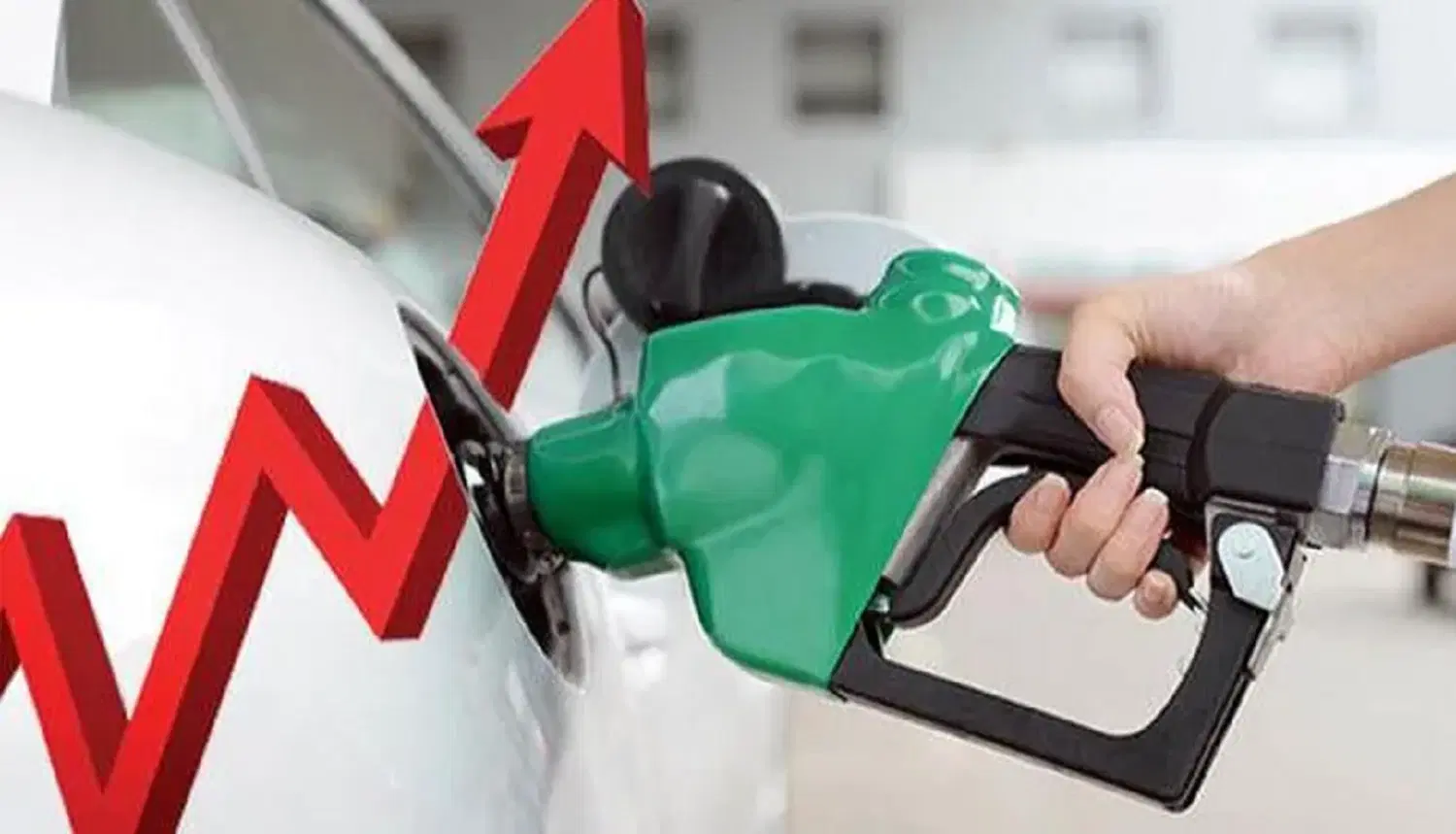
Retail fuel marketers urge NNPC to accelerate local refining as global tensions between Israel, the U.S., and Iran threaten to push petrol and diesel prices to record highs in Nigeria…….
The Petroleum Products Retail Outlets Owners Association of Nigeria has warned that the pump price of Premium Motor Spirit (PMS) in Nigeria could climb to N2,000 per litre if the escalating Middle East conflict continues to disrupt global oil markets.
The association urged the Nigerian National Petroleum Company Limited to urgently boost domestic refining capacity to shield the country from international petroleum market shocks.
The warning was issued by PETROAN’s National President, Billy Gillis-Harry, during a keynote address titled “Deconstructing Energy Trilemma” at an event organised by the Department of Petroleum Economics and Policy Studies of Ignatius Ajuru University of Education in Port Harcourt.
According to a statement signed by the association’s National Public Relations Officer, Joseph Obele, the group called on the Group Chief Executive Officer of NNPC Ltd., Bayo Ojulari, to fast-track the commencement of production at Nigeria’s state-owned refineries.
Rising global tensions driving price surge
Gillis-Harry said the ongoing conflict involving Israel, the United States, and Iran has pushed global petroleum prices to worrying levels.
He warned that continued drone and missile attacks around critical oil routes and infrastructure are creating uncertainty across global energy supply chains.
With no clear timeline for an end to the crisis, the PETROAN president said petroleum product prices could continue climbing both internationally and within Nigeria.
Fuel prices already surging in Nigeria
According to the association, petrol prices have already increased sharply since the start of the crisis.
Before the current market turmoil, PMS sold for around N774 per litre, but the price has now climbed to above N1,000 per litre, representing roughly a 30 percent increase.
Diesel, also known as Automotive Gas Oil (AGO), has also surged significantly. Prices that previously hovered around N950 per litre have risen to about N1,400 per litre and above, marking an increase of nearly 49 percent.
If the geopolitical crisis persists, Gillis-Harry warned that petrol prices could approach N2,000 per litre, while diesel could rise toward N3,000 per litre.
Call for urgent refinery revival
PETROAN stressed that strengthening Nigeria’s domestic refining capacity is critical to reducing the country’s vulnerability to global price shocks.
The association specifically called for the immediate operationalisation of key government-owned facilities, including the Area 5 Plant at the Port Harcourt Refinery and the Warri Refinery.
According to Gillis-Harry, domestic refining would significantly reduce Nigeria’s reliance on imported petroleum products and help stabilize fuel prices during periods of global market volatility.
He added that state-owned refineries are less exposed to external supply disruptions than private refineries that depend on imported crude.
Economic impact on Nigerians
The PETROAN president warned that continued increases in fuel prices could worsen inflation and deepen economic hardship across the country.
Higher fuel costs, he said, typically translate into increased transportation expenses, higher production costs for manufacturers, and rising prices of goods and services nationwide.
He noted that PMS remains essential for daily mobility across the country, while diesel is critical for powering factories, logistics networks, and industrial operations.
Deregulation and market dynamics
Meanwhile, the Nigerian Midstream and Downstream Petroleum Regulatory Authority says fluctuations in fuel prices are a natural outcome of Nigeria’s deregulated downstream petroleum market.
The authority’s spokesperson, George Ene-Ita, explained that petrol prices now respond primarily to global supply and demand conditions rather than government price controls.
He noted that Nigeria has operated a fully deregulated downstream petroleum sector since the beginning of the administration of Bola Ahmed Tinubu.
Global oil prices climbing
The warning from PETROAN comes as global oil prices surge amid fears of supply disruptions linked to the Middle East conflict.
Recent data from international commodities markets show Brent crude futures rising by about 20 percent, while West Texas Intermediate crude has climbed roughly 25 percent in recent days.
The price rally has been partly driven by attacks on oil infrastructure in the region.
Over the weekend, Israeli forces reportedly struck oil storage facilities in Tehran, marking the first known attack on Iranian oil infrastructure since the conflict began.
Iran has also targeted energy installations in several Gulf countries where U.S. forces operate.
Amid the escalating crisis, finance ministers from the Group of Seven are expected to discuss the possible release of oil from emergency reserves coordinated by the International Energy Agency.
The discussions will involve the agency’s executive director, Fatih Birol, as governments weigh measures to stabilise global energy markets and prevent further spikes in fuel prices.
About the Author