New NBS figures reveal major shift in fuel supply dynamics as domestic refining gains ground.
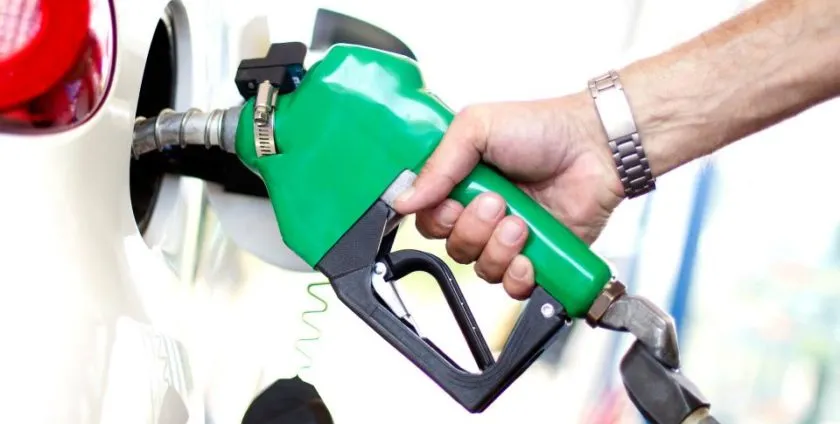
Nigeria’s spending on petrol imports fell dramatically in the first nine months of 2025, dropping by N6.07 trillion compared with the same period a year earlier, according to fresh analysis of National Bureau of Statistics trade data.
Between January and September 2025, the country imported N5.42 trillion worth of motor spirit (ordinary), far below the N11.50 trillion recorded in the same nine-month window of 2024. The decline represents a steep 52.82 per cent fall, a development analysts attribute to strengthened domestic refining and lower reliance on foreign petroleum supplies.
Quarter-by-quarter data shows that the contraction has been steady throughout the year. In Q1 2024, petrol imports were valued at N3.81 trillion, but this fell to N1.76 trillion in Q1 2025, a decline of N2.05 trillion or 53.8 per cent.
The second quarter mirrored the trend, with PMS imports dropping from N4.36 trillion in Q2 2024 to N2.38 trillion in Q2 2025, a year-on-year difference of N1.99 trillion or 45.6 per cent. The sharpest decline came in the third quarter: petrol import value slid from N3.32 trillion in Q3 2024 to N1.29 trillion in Q3 2025, a contraction of N2.03 trillion or 61.2 per cent.
Altogether, the three quarters show a combined drop of N6.07 trillion in petrol imports, signalling a major shift in the country’s fuel supply structure.
While the NBS did not directly link the fall to any single factor, the size and speed of the decline overlap with Nigeria’s increasing domestic production capacity. The reduction also hints at easing pressure on the foreign exchange market, which for years has been strained by large-scale fuel importation following the removal of petrol subsidy in 2023.
Though petrol remained one of the country’s largest import items through 2024, its dominance has thinned considerably. In the first three quarters of 2025, PMS still appeared prominently in the import basket, but at significantly reduced values.
Much of the shift reflects the growing impact of the Dangote Petroleum Refinery, the 650,000-barrel-per-day complex which began diesel and aviation fuel supply in January and added petrol output in September. The facility is central to Nigeria’s drive toward fuel self-sufficiency and has already increased competition in the domestic market, contributing to periodic drops in pump prices during the year.
Still, the refinery has not been without challenges. In March, Dangote temporarily halted naira-denominated sales following difficulties sourcing foreign exchange, as the refinery buys crude in dollars but sells products locally in naira. The Federal Government later intervened to resolve the naira-for-crude issue, helping stabilise operations and reducing the nation’s dependence on imported petrol.
The President of Dangote Group, Aliko Dangote, has repeatedly hinted at major changes to come in the downstream sector. Speaking after President Bola Tinubu’s recent tour of the $20bn refinery in Lekki, Lagos, Dangote said a major “shakedown” of the entire fuel supply chain was imminent. According to him, this overhaul would not be about price alone, but a transformation of the entire downstream system.
He added that the refinery was entering a period of rapid expansion. “I told the President he hasn’t seen anything yet. We are going on a massive trajectory. If you come back in five years, this refinery will be on the back burner,” he said, hinting at broader industrial growth around the complex.
Dangote also reiterated plans to list the refinery on the Nigerian Stock Exchange, beginning with the group’s fertiliser arm this year. He said the refinery would continue to contribute significantly to national economic growth, describing the end of prolonged petrol queues as permanent.
“We remain committed to supporting your administration in building a self-reliant and globally competitive nation. With sustained collaboration, the opportunities ahead will be far greater for our country,” he added.
In October 2025, Dangote confirmed plans to expand the facility from 650,000 barrels per day to 1.4 million barrels per day, a scale that would make it the largest refinery in the world.
According to S&P Global, Dangote aims to double the refinery’s capacity with support from Middle Eastern financiers, positioning it as the world’s biggest refining operation. The refinery has already shifted Nigeria into a net exporter of diesel and aviation fuel, while supplying large volumes of petrol that previously came from Europe.
Dangote admitted that building African energy independence remains a “herculean task,” saying the next expansion phase would require essentially rebuilding the refinery, but at its existing location due to the massive infrastructure already in place.
About the Author