Mother telling off and discipline naughty daughter (age 10).
Take off the kid gloves that woke parenting gave the world, but don’t don the boxing gloves that old-school hidings required.
In between, there’s a style of parenting that’s gaining popularity, especially on social media. It’s called FAFO, which stands for, quite literally, F**k Around and Find Out or, in non-expletive English, consequence-based parenting.
It’s nothing new, really. Counselling psychologist Jogini Packery, Head of Campus at the South African College of Applied Psychology, said that from a psychological perspective, FAFO is really a natural consequences approach that has been rebranded for a digital audience.
“Recently, it has become popularised on social media, it adds a cultural tone carrying a ‘lesson learned the hard way’ type of energy rather than a developmental teaching framework, “she said
Packery explained that the psychology of the method has not changed.
“Natural consequences are about allowing reality to be the teacher when it is safe, while maintaining emotional connection,” she said.
“FAFO, as it circulates online, can sometimes slip into a performance of toughness, which risks moving it from learning into humiliation. The difference is not the mechanism. It is the tone, intent and emotional posture behind it.”
‘FAFO is not a performance of toughness’
That distinction becomes critical, she said, in homes already running on empty.
“It’s both a child development strategy and a cultural response to fatigue,” she said. “Many parents are exhausted from working longer hours, carrying financial strain, navigating load shedding or service disruptions, safety concerns, school pressures and high emotional demands at home.”
In that environment, she added, endless negotiation can feel unsustainable.
“FAFO offers parents a sense of structure and relief. It reiterates that parenting does not mean having to save everyone from everything.”
ALSO READ: How to enjoy school more
Fundamentally, she said, the FAFO approach is about helping children understand cause and effect without turning the parent into the punisher.
“Natural consequences support the development of an internal locus of control,” Packery said. “It is the belief that my choices have outcomes. That belief is key for responsibility and self-regulation.”
Instead of behaving well to avoid punishment, children begin to act with awareness of impact. “This type of learning becomes more durable because it is experiential, not just verbal.”

But age is a determining factor in efficacy, she noted.
“Natural consequences work best when children have enough cognitive maturity to connect action and outcome, typically from around six or seven upward, and increasingly so through adolescence,” she said.
“For toddlers and very young children, the brain is still developing impulse control. They need more immediate guidance, supervision and co-regulation rather than learning the hard way.”
Learning the hard way
There is a redline, and that happens when consequences become unsafe or shaming.
“Developmentally, the rule is that the consequence must be proportional, safe and understandable to the child,” she said.
Equally important is the emotional climate in which those consequences land.
“Children can tolerate disappointment when they still feel emotionally held,” Packery said.
A parent can refuse to rescue without withdrawing.
“You can say, I love you and I am here, but I am not going to fix this for you.”
What erodes trust is sarcasm, silence or an I told you so tone.
“The danger is when it communicates rejection rather than guidance.”
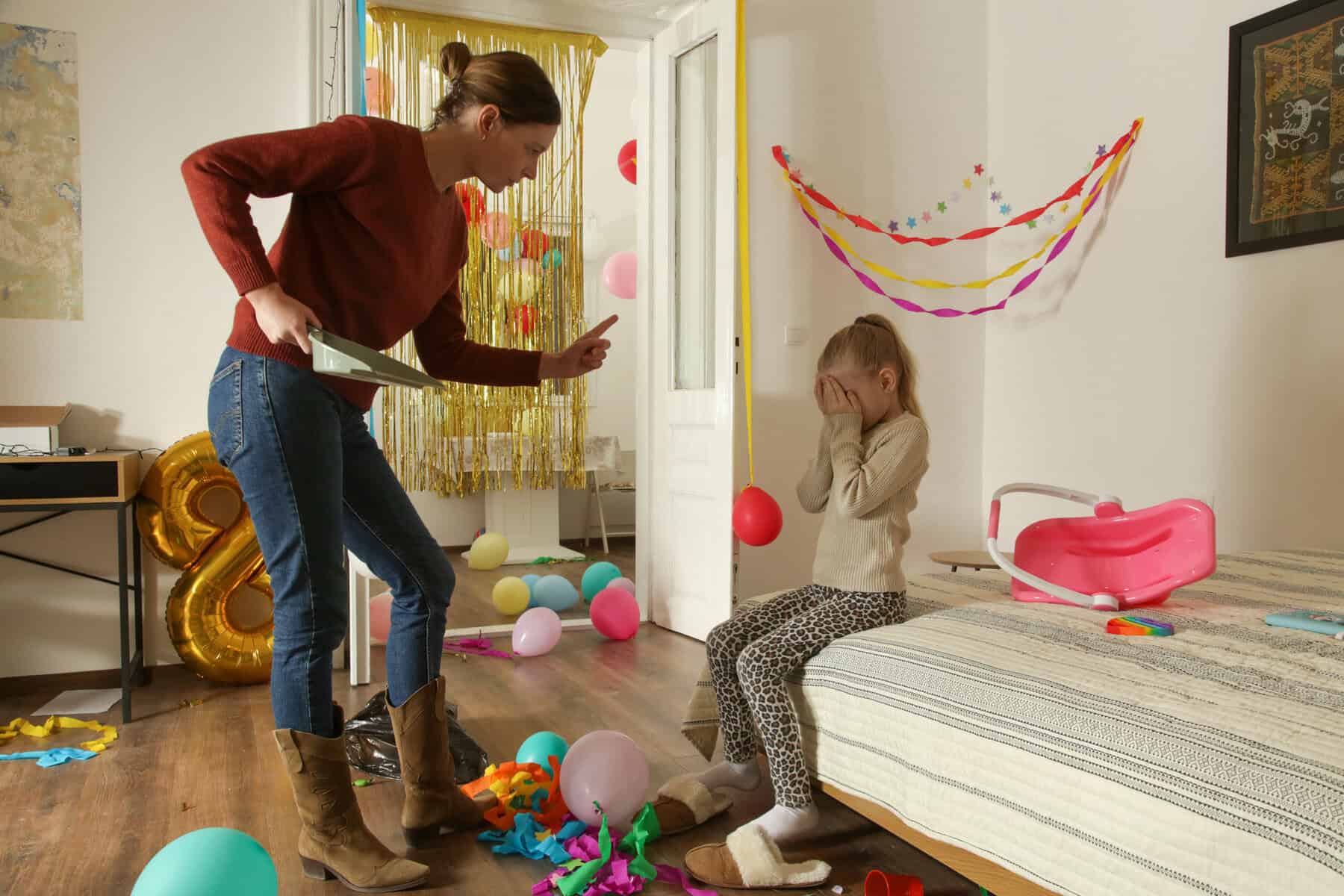
When FAFO parenting is applied with warmth and consistency, the longer-term outcomes can be constructive, Packary said.
“Natural consequences can build resilience, competence, frustration tolerance and problem solving,” she said.
“Children often develop stronger self-efficacy because they experience themselves as capable.”
In addition, parents should debrief once calm returns. “Ask what happened, what you learn and what you will do differently next time. That turns consequences into growth.”
Children do not just need consequences; however, they need connection.
“If FAFO becomes a way to teach responsibility while protecting attachment, it can be powerful.”
NOW READ: The Four Burner Theory: When juggling too many things drops the ball
About the Author