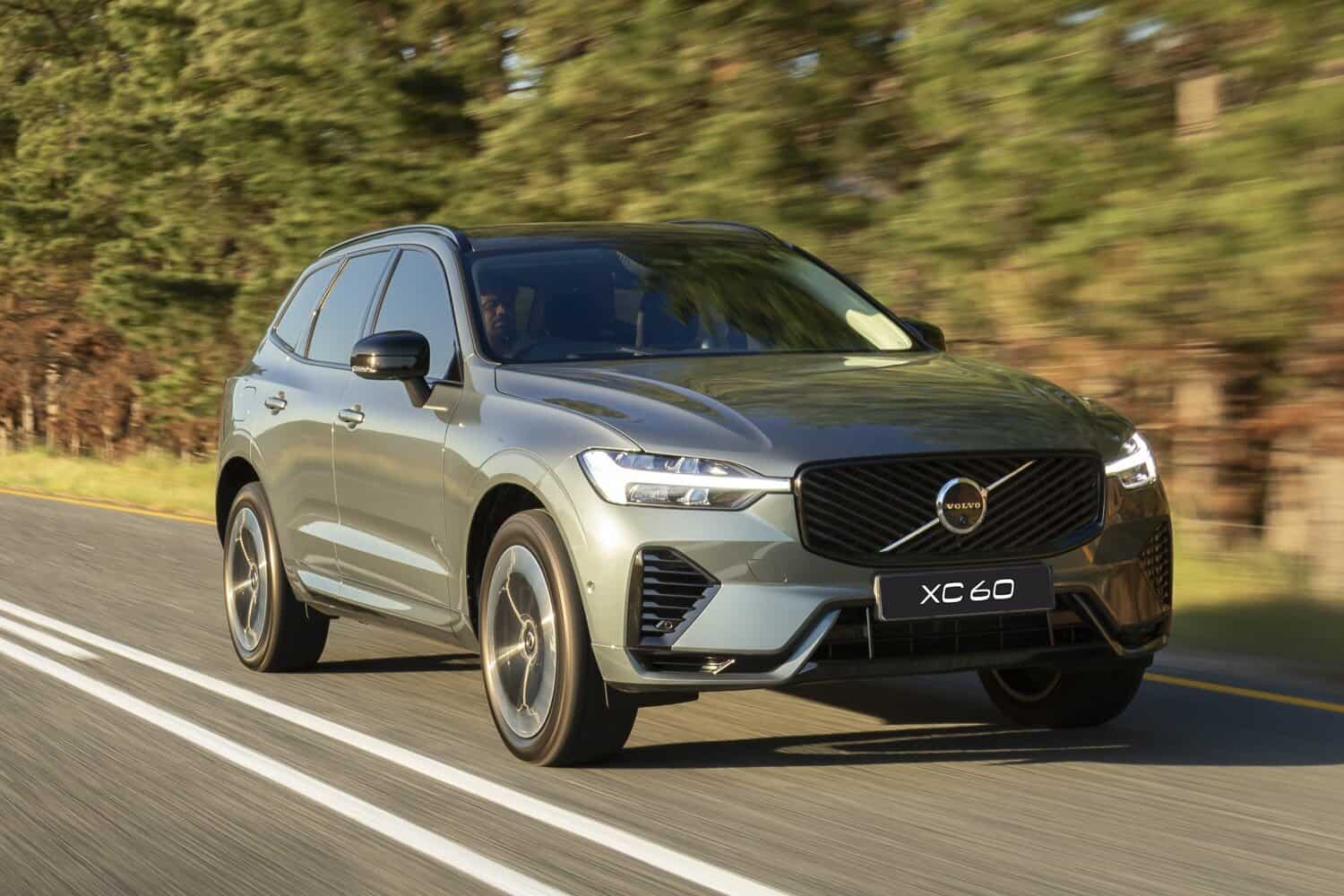
Volvo’s best-selling SUV, the XC60, has recently gone under the knife and been given a bit of a nip and tuck while also getting some new goodies on the inside.
The powertrains have remained the same, though, and since the media launch drive was only something like 18km, I was looking forward to a full week in the car.
New on the outside
First, a quick overview of some of the updates, although you would need to be a Volvo XC60 aficionado to notice them at first glance.
ALSO READ: Elegantly updated Volvo XC60 model sticks to hybrid powertrains
The XC60 now offers a reworked air intake, darker taillights, standard fitment LED headlights, a new wheel design and an updated Volvo iron mark badge, aligning it with the recently refreshed XC90.
Inside
On the inside, you get a new 11.2-inch Google-powered infotainment, a premium Bowers & Wilkins audio system, and upgraded materials with refreshed decorative inlays.
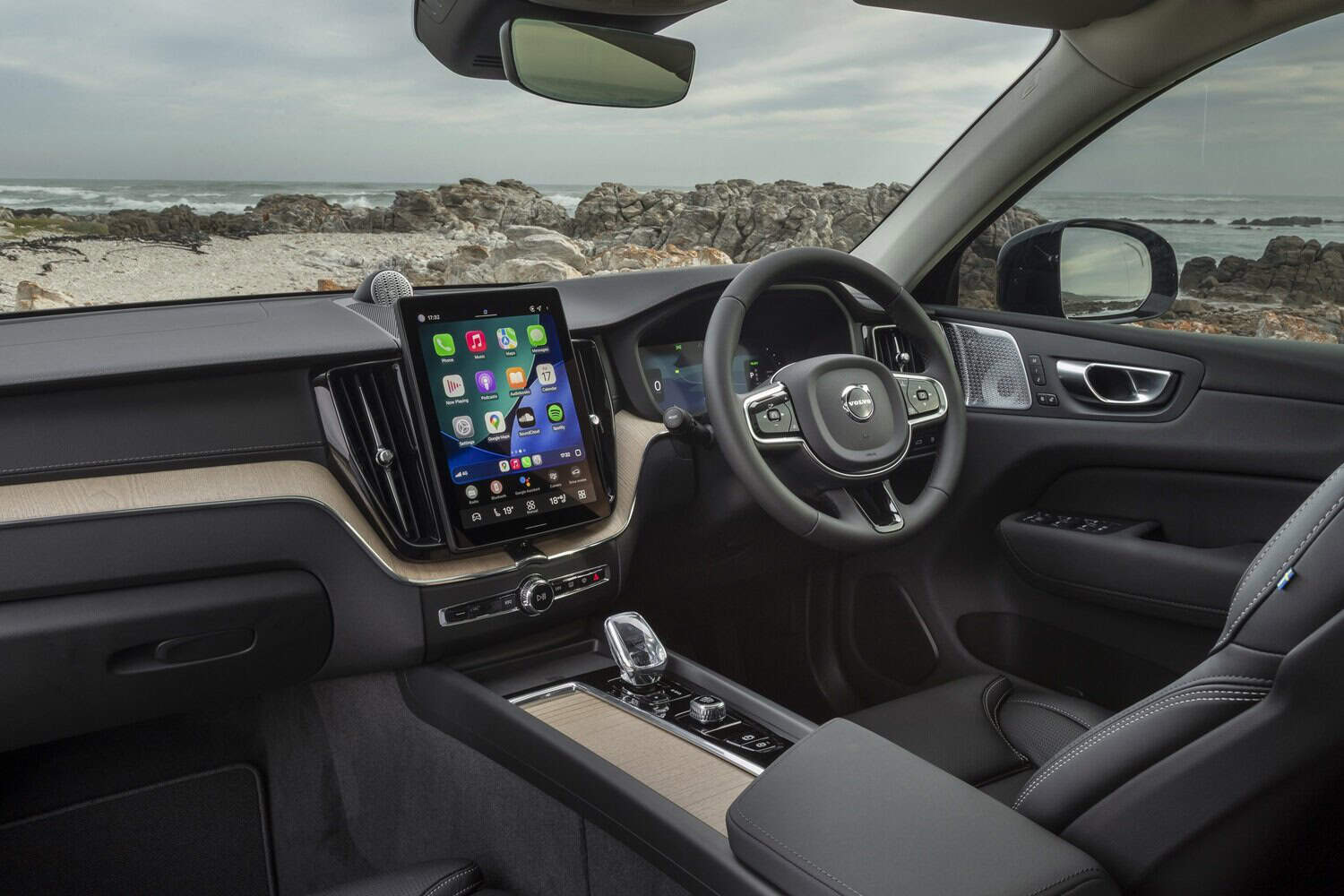
Also on the menu are an improved wireless phone charger and additional storage areas, including redesigned cup holders. Yep, somebody went ahead and redesigned the cup holders. The Swedes are weird like that.
Opposition comparison
But for this review, it is more about the performance and competitors of the Volvo XC60, especially in potent T8 format.
The XC60 T8 is a plug-in hybrid that offers a combined 340kW of power and 709Nm of torque from its 2.0-litre turbo-and-supercharged petrol engine and electric motor.
Now, when pitched against its most direct technical premium rival in the new R1 310 000 BMW X3 30e M Sport plug-in hybrid, you might think the asking price of R1 500 700 for the Volvo XC60 T8 is over the top.
But the X3 30e ‘only’ offers 220kW and 450Nm and is comprehensively outgunned by the XC60 T8 in terms of performance.
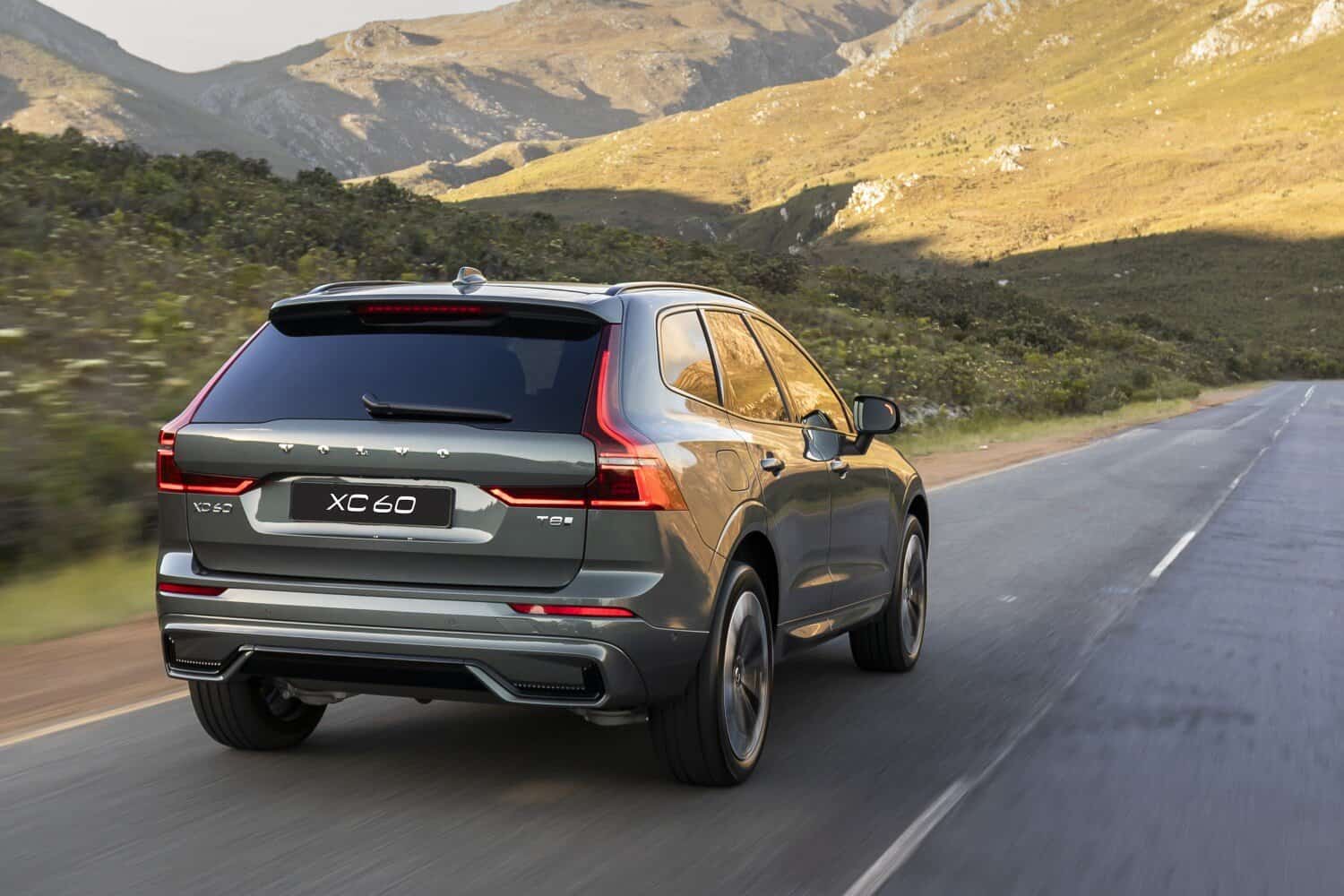
The Volvo XC60 T8 gets to 100 km/h in just 4.8 seconds, while the X3 30e gets there in 6.3 seconds.
Top speed is a socially responsible whitewash in favour of BMW, because Volvo limits all their cars to 180 km/h. BMW, on the other hand, allows you to decide your own risk, and their X3 30e comes in at 247 km/h.
For the sake of performance comparisons and to be fair to the Volvo XC60 T8, closer performance rivals would be the R1 545 447, BMW X3 M50 that produces 293 kW and 580 Nm.
While even the R1 902 263 Mercedes-AMG GLC 43 could sneak in here with 310kW and 500Nm on offer.
The BMW X3 M50 gets to 100km in 4.6 seconds and hits an electronically limited top speed of 250km/h, while the Mercedes-AMG GLC 43 gets to 100km in 4.8 seconds and is also limited to 250 km/h.
Consumption
I guess this is where your head could be if you were considering a Volvo XC60 T8, rather than so much in the world of fuel economy.
Talking of which, both the Volvo (19-kWh) and the BMW (18-kWh) have small lithium batteries onboard, and both only allow ‘slow’ AC charging at a rate of 3.7-kWh.
This translates into a real-world, electric-only drive of around 60km for both. For what it is worth, the Chinese — with their battery tech — are streets ahead of both the Volvo and the BMW. They allow for convenient high-speed DC charging, and their electric-only range is also far superior.
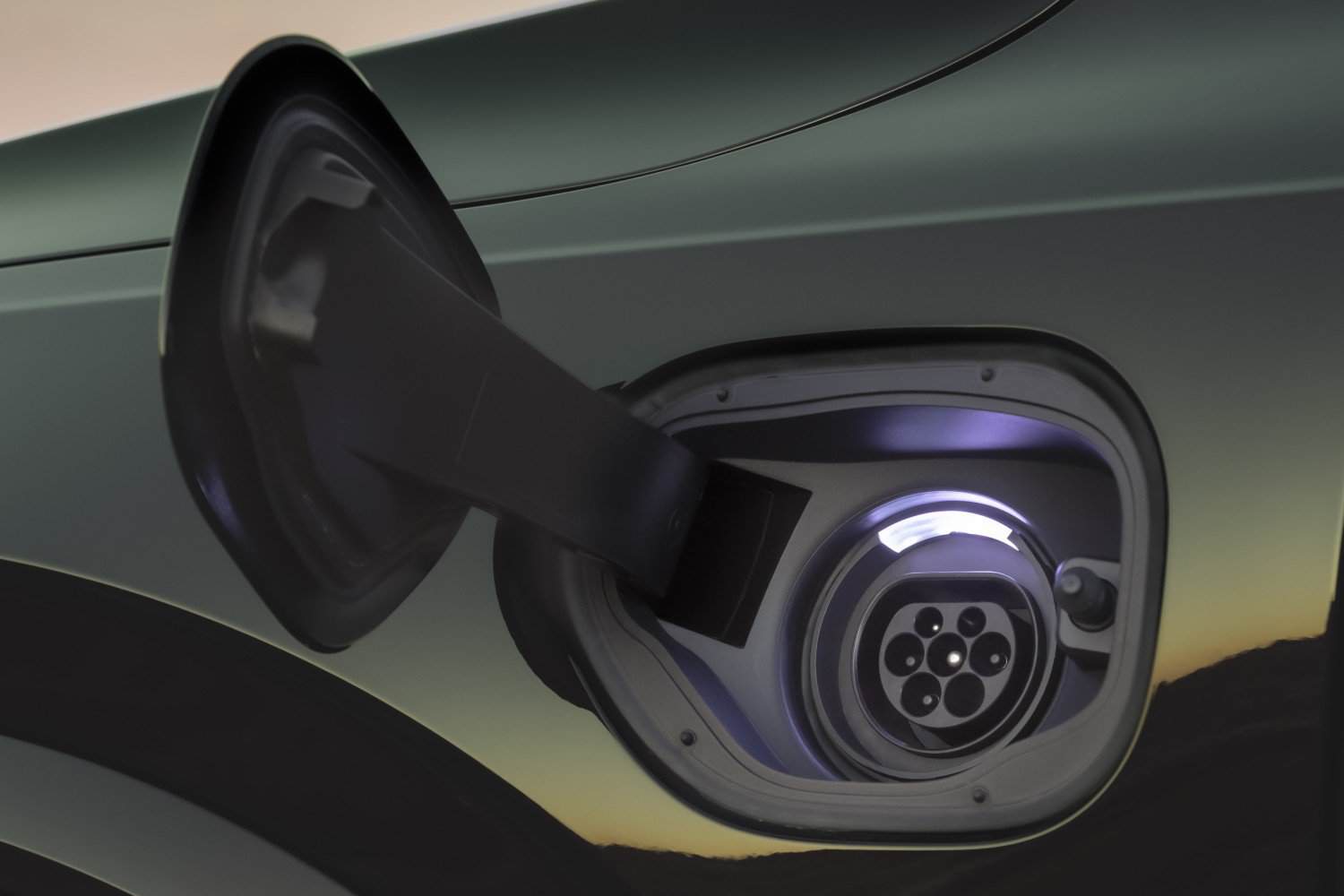
Volvo claims a fuel consumption number of 1.8-litres per 100km, which is only realistic if you don’t exceed the 60km limit of the battery.
If you do, then the 2.0-litre petrol, doing all the work, and fuel consumption climbs quickly beyond 10-litres per 100km. Which is what we averaged when we tested the previous Volvo XC60 T8.
I must add, though, that installing a seven-kilowatt wallbox charger at my home has changed my EV and PHEV life.
Previously, I couldn’t be bothered to go to a public charger and waste my life waiting for a car to charge. And I hated being forced to do so. Now, I just pop the car on charge when I am home, and I always have a full battery when I leave again.
Doing things like I assume a normal owner of a plug-in hybrid would do meant that I could actually get way below the 5.0-litres-per-100-km mark this time round. And then the plug-in hybrid part of the Volvo XC60 T8 makes sense.
Conclusion
Thanks to laminated windows and air suspension, the ride quality of the XC60 T8 is next-level smooth, and by far the best of the premium offerings.
The interior, in terms of digitalisation, is showing its age and can’t compete with the large screens of the BMW and Mercedes-Benz. All said, one can see why the XC60 is the go-to choice for Volvo consumers.
All Volvo XC60 variants are sold with a five-year/100 000km warranty and a five-year/100 000km service plan. On T8 PHEV models, the hybrid battery is covered for eight years/160 000km.
NOW READ: Volvo XC60 refreshed again after combustion engine commitment
About the Author