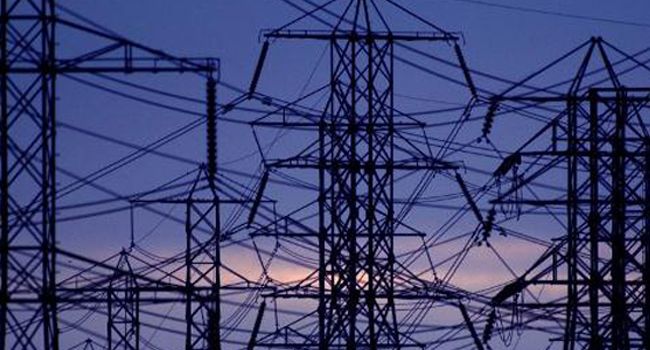
Adelabu downplays liabilities while generation companies demand transparency, warning figures must reflect full industry costs…..
A fresh dispute is brewing in Nigeria’s electricity sector as the Federal Government and power generation companies sharply disagree over the true size of debts owed within the market, exposing deeper tensions in an already fragile system.
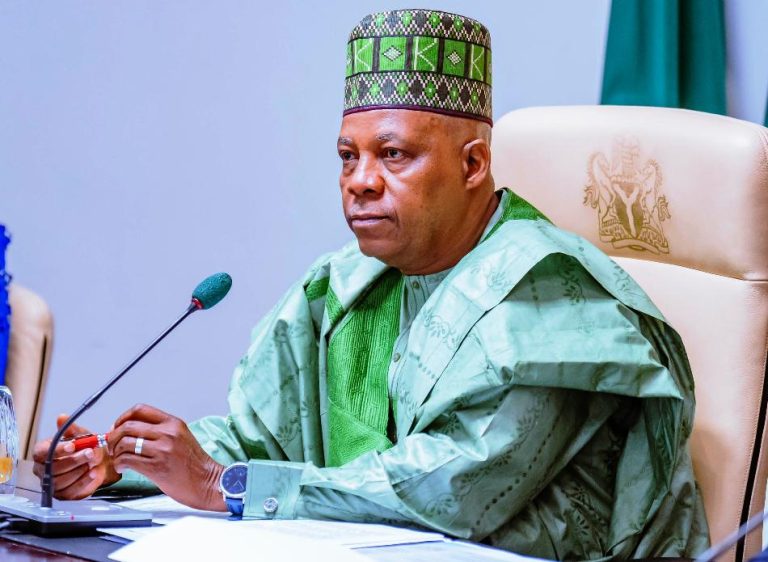
The Minister of Power, Adebayo Adelabu, has pushed back against widely circulated figures suggesting the government owes generation companies over N6 trillion. According to him, ongoing reconciliation efforts indicate the actual debt may settle closer to N4 trillion.
Speaking during a press briefing in Abuja, Adelabu explained that earlier estimates are being revised as audits clarify what is genuinely owed. He noted that as of the end of 2024, an initial figure of about N4 trillion was adjusted downward to approximately N2.8 trillion after accounting for interest charges and foreign exchange components.
“The figures being mentioned are still under review,” he said. “Once reconciliation is concluded, what is owed to the generating companies will likely be around N4 trillion, not the higher numbers being speculated.”
He added that a significant portion of the liabilities at least 60 percent is tied to gas suppliers, a critical backbone of Nigeria’s power generation process.
The minister’s remarks come amid growing public frustration over persistent power outages, for which he also issued an apology, assuring Nigerians that efforts are underway to stabilize electricity supply.
GenCos Push Back
But power generation companies are not convinced.
Responding to Adelabu’s claims, the Executive Secretary of the Association of Power Generation Companies, Joy Ogaji, challenged the government’s position, insisting that any debt figure must emerge from a transparent, joint reconciliation process involving all stakeholders.
She revealed that the last full reconciliation meeting between operators and the government took place in March 2025, raising concerns about how new figures are being determined.
“This is not something that can be decided unilaterally,” she said. “All parties must sit together, review the data, and agree on the numbers. That is the only way to establish credibility.”
Ogaji questioned the basis of the government’s revised estimates, noting that generation companies have not participated in any recent reconciliation beyond the March meeting.
What Makes Up the Debt?
According to the GenCos, the liabilities go far beyond simple unpaid bills.
They argue that the outstanding debt reflects a complex web of financial obligations accumulated over years, including:
- Unpaid invoices for electricity supplied since 2015
- Capacity payments and deemed capacity charges
- Foreign exchange differentials
- Costs from frequent plant start-ups and shutdowns
- Interest on outstanding payments (linked to NIBOR rates)
- VAT on gas supplied between 2013 and 2021
Beyond these, operators say they are also absorbing losses from systemic inefficiencies such as gas shortages and transmission constraints that force plants to run below optimal capacity.
Additional costs stem from technical services provided to stabilize the grid, including spinning reserve and black start capabilities, as well as operating under conditions like Free Governor Mode, which increases wear and tear on equipment without compensation.
A Sector Under Pressure
At the heart of the dispute is a long-standing liquidity crisis that has plagued Nigeria’s power sector for over a decade. Despite multiple reforms, including those introduced under President Bola Tinubu, the market continues to struggle with underfunding, tariff gaps, and mounting legacy debts.
Recent reports indicate that the president has approved N2.8 trillion as the verified portion of these obligations following an audit of subsidy-related debts dating back to 2010. However, officials say discussions are still ongoing to reconcile additional claims.
What This Means Going Forward
The disagreement signals more than just a numbers dispute, it highlights deeper structural challenges within Nigeria’s electricity market.
For the government, reducing the debt figure could ease fiscal pressure and strengthen its reform narrative. For GenCos, ensuring every cost component is recognized is critical to staying afloat in a capital-intensive industry.
As both sides hold their ground, the outcome of this reconciliation process could shape investor confidence, determine the pace of reforms, and ultimately influence whether Nigerians see meaningful improvements in power supply.
For now, one thing is clear: until the books are fully aligned, the crisis in the power sector is far from resolved.
About the Author