The collapse of Tongaat Hulett cannot be blamed on broad-based black economic empowerment (B-BBEE), says billionaire director of Vision Investments Robert Gumede, arguing that the crisis stems from a massive fraud scandal that shook the 140-year-old company.
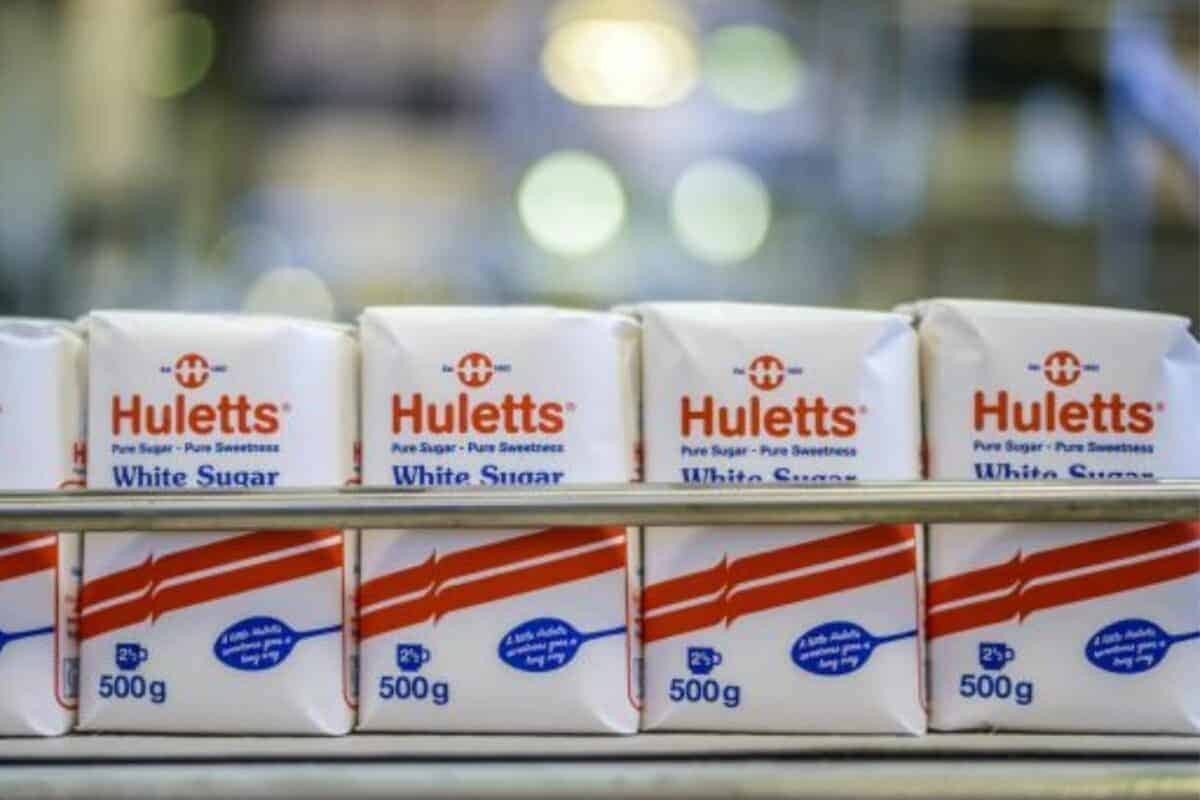
The sugar producer, once partly owned by Anglo American, was historically one of South Africa’s largest agricultural firms and at one stage produced about 70% of the country’s white sugar.
According to Gumede, the company, once valued at more than R22 billion, plunged into turmoil in 2018 when alleged large-scale financial fraud by senior management was uncovered.
Tongaat Hulett’s downfall stems from massive fraud – Gumede
The former leadership, including then chief executive Peter Staude, who had presided over what appeared to be a high-performing company before the accounting irregularities emerged.
Gumede said the case has yet to reach trial, raising concerns about delays in the justice system and the limited scrutiny of alleged white-collar crime.
“The irony of it all is that no hearing has started and no one is asking the National Prosecuting Authority why this matter is not being dealt with,” he said.
ALSO READ: Tau lambasts Tongaat BRPs over liquidation application
Gumede said the exposure of the fraud triggered a chain reaction across the business.
As the group’s financial position deteriorated, he said banks that had previously provided funding began withdrawing support, while investors dumped their shares, sending the share price tumbling.
Suppliers increasingly demanded upfront payments, while clients started looking for alternative sugar producers, placing further pressure on the business.
Company owed lenders R6bn
He said at the time, the company owed lenders about R6 billion, a debt burden that prompted banks to push for repayment.
The lenders initially sought to liquidate the company, but the state-owned Industrial Development Corporation (IDC) stepped in to support a business rescue process instead.
As part of efforts to stabilise the situation, the IDC paid about R900 million to settle a revolving credit facility owed to the banks, though billions in debt remained.
ALSO READ: Minister Tau moves to save Tongaat Hulett from liquidation
Meanwhile, the Tongaat Hulett board began exploring asset sales in neighbouring countries to raise cash, including operations in Zimbabwe and Botswana.
In 2019, Gumede said a consortium that included Vision, along with Rute Moyo and the late Jabu Mabuza, submitted a proposal to buy the Zimbabwe and Botswana assets for $168 million (about R2.8 billion). The transaction was approved by the Tongaat board but required shareholder approval.
Before the deal could proceed, however, a competing proposal emerged involving Zimbabwean tobacco magnates who proposed raising about R4 billion to help the company settle its bank debt.
Transaction collapsed after regulators
This transaction collapsed after regulators raised concerns about possible insider trading.
Following the failed deal, the IDC and business rescue practitioners began searching for a strategic equity partner to rescue the company.
Gumede said more than 80 companies, both local and international, participated in the bidding process.
ALSO READ: Farmers sweat over uncertainty of Tongaat Hulett’s future
He said Vision, together with international partners including Amre Youness of Terriss Sugar and Nauman Ahmed Khan of Almoiz Industries, a sugar mill operator in Pakistan, has to date invested more than R4 billion into Tongaat Hulett.
According to court papers, because the urgent funding requirement of R600 million was not met, business rescue practitioners wrote to the IDC on 22 January, requesting formal written advice on whether circumstances still existed to support a reasonable prospect of rescuing the company.
The IDC, according to the court papers, did not respond to the correspondence.
Urgent R600m funding required
Despite various alternative scenarios and speculation, the facts presented by the business rescue practitioners show that Tongaat Hulett required R600 million in urgent funding to sustain operations and preserve the business and its assets.
This requirement was identified through financial analysis, communicated repeatedly to the IDC over five months, and initially approved by the IDC’s own Export Credit Insurance Corporation on 29 November, 2025.
The consortium ultimately lost the bid to a Tanzanian group linked to Kagera Sugar, which submitted a similar offer.
ALSO READ: Tongaat Hulett’s collapse began in the boardroom
Gumede said the outcome raised concerns after Vision learnt the winning bidder had received a letter from the IDC committing funding support, backing Vision’s fears it had been denied.
After Vision lodged a complaint, the IDC board reportedly said it had not approved financing for the Tanzanian bidder.
“We were [surprised] the IDC did not give us a letter of support as a SA, black-owned company, but a company from Tanzania was able to be supported,” Gumede added.
Vision lodged complaint
The failed deal further complicated the already protracted business rescue process. Vision then changed strategy and entered negotiations directly with the banks to purchase the claims against Tongaat Hulett, which had grown to about R8 billion.
Vision proposed paying a R1.6 billion deposit and raising the remaining funds from investors, including through the Public Investment Corporation.
PIC, which had previously lost more than R3 billion invested in Tongaat Hulett shares, initially engaged with Vision but, ultimately, declined to approve funding.
ALSO READ: Tongaat liquidation threat puts thousands of growers at risk
In spite of the setbacks, Vision secured creditor support in January 2024 for a scheme that would allow it to buy the lenders’ claims and convert them into ownership of the company.
Gumede said the consortium had already committed substantial private capital to the deal.
He added that the group believed it had both the financial capacity and operational expertise to revive the struggling sugar producer.
About the Author