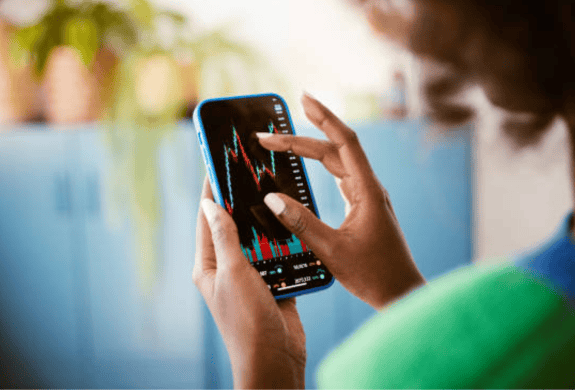
South Africans are leaning into mobile-first habits more than ever, and the forex market is following that momentum. Trading apps have shifted from convenient add-ons to primary platforms, reshaping how people access global markets while opening the door for a broader range of new traders.
What once required a desktop setup now unfolds from a device that fits into your palm, creating a style of participation that feels both immediate and intuitive.
A mobile shift driven by accessibility
The rise of the forex trading app is hardly surprising when you consider how seamlessly they fit into daily routines. Many South Africans are balancing work and family, so the ability to check charts or adjust positions between school runs and meetings feels liberating.
Mobile apps bridge the gap between desire and opportunity, offering tools that once seemed reserved for full-time traders.
These platforms also help demystify trading. Real-time alerts, guided analytics and simplified interfaces soften the steep learning curve while giving beginners space to experiment safely.
Not only do users gain access to the same market depth found on desktop platforms, but they also do so with fewer barriers and far more flexibility.
Features That Drive Engagement
What truly accelerates this trend is how feature-rich today’s forex trading app has become. Advanced charting, one-tap execution and built-in risk calculators improve decision-making while reducing the friction that often causes hesitation.
Brokers are also introducing personalised dashboards that adapt to user behaviour, creating a sense of progression that keeps traders engaged.
Along with these technical perks, apps now integrate educational centres that bundle videos, market commentary and demo accounts in one space. This blend of learning and action allows users to sharpen their skills while staying close to real-time movements.
It’s a setup that strengthens confidence through practice while building habits that feel sustainable.
A growing community of everyday traders
The behavioural shift is as interesting as the technology itself. Mobile trading attracts people who might never have considered forex a reachable pursuit.
Students and young professionals are carving out small pockets of time to participate in global market trends. This creates a growing sense of community where strategies, insights and questions circulate freely across social platforms.
While this accessibility sparks enthusiasm, it also points to the need for responsible trading. Many apps now prioritise risk tools that set boundaries before trades are placed, helping users manage exposure while approaching the markets with greater awareness.
It’s a sign that the industry is evolving in step with user expectations, not simply chasing volume.
What this means for the future
The surge in mobile forex trading signals a broader change in how South Africans interact with technology and financial opportunity. The shift aligns with rising smartphone adoption while reflecting a growing appetite for flexible, self-directed income streams.
As apps continue to refine their features and security protocols, participation is likely to expand even further.
Mobile trading won’t replace the discipline needed to navigate volatile markets, but it will continue shaping how people trade and stay connected to the global financial world. In many ways, it already has.
About the Author