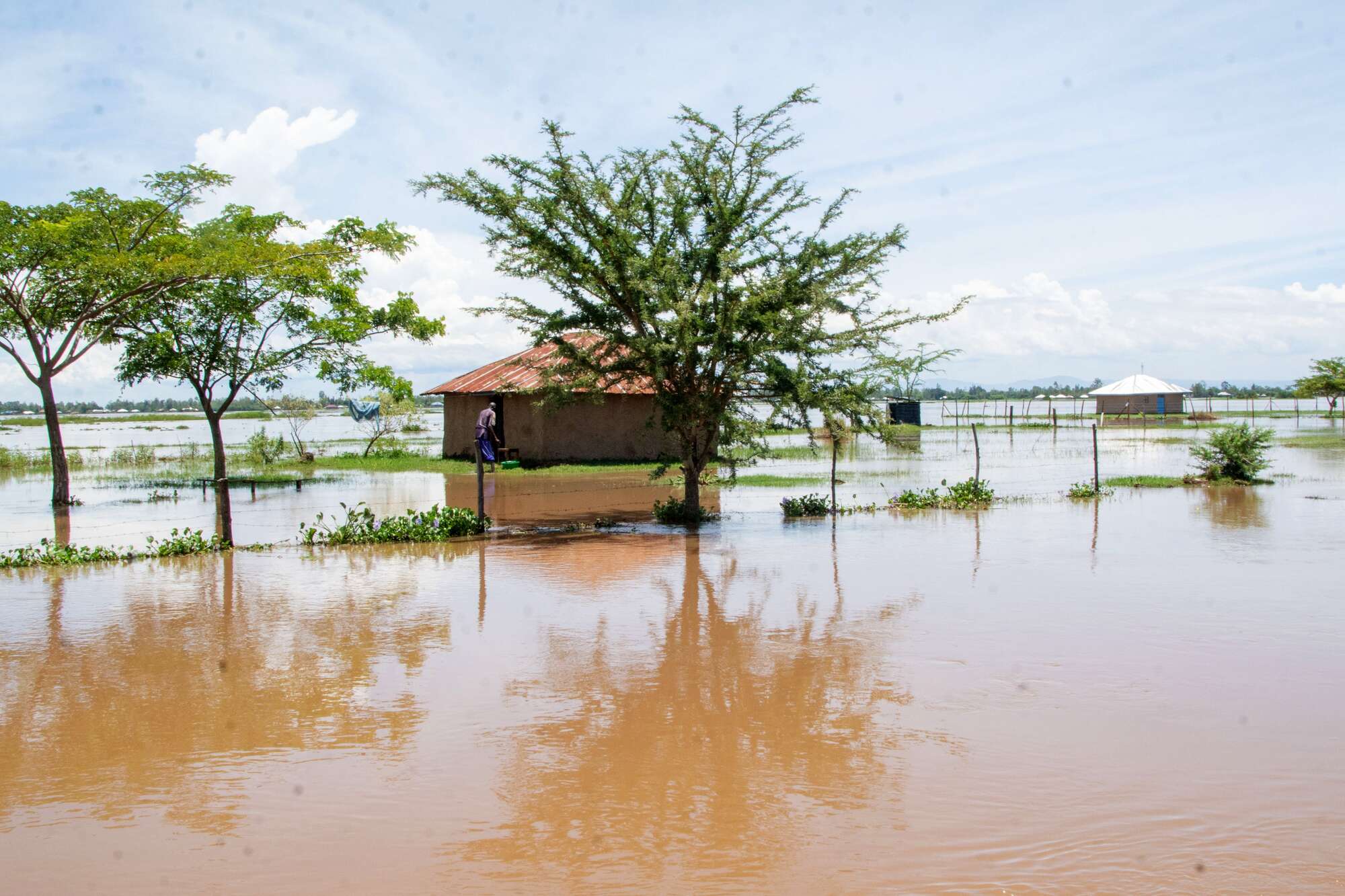
Homes stand in floodwaters in Kobong'o Village, Rota, Nyakach Sub County, on March 24, 2026, leaving families displaced and property destroyed amid ongoing flooding. Photo: Alex Odhiambo
At least 110 people have died as floods triggered by heavy rains continue to devastate large parts of the country, with the crisis now affecting 30 counties, according to the latest update by the Ministry of Interior.
The disaster, government notes, has steadily expanded, with Kilifi, Bungoma, Nyeri, Kirinyaga, Nyandarua, Kiambu, Uasin Gishu and Mandera among the latest areas to report flooding as rivers burst their banks and drainage systems fail under sustained downpours.
Nairobi has recorded the highest number of fatalities at 37, underlining the dangers posed by poor drainage infrastructure and settlements in low-lying and riparian zones. The Eastern region follows with 26 deaths, while the Rift Valley has reported 14. Nyanza has recorded 11 fatalities, Central six, the Coast five and Western region two, reflecting the widespread nature of the crisis.
At least 6,953 households, equivalent to about 34,765 people, have been displaced, many forced to seek shelter in schools, churches and temporary camps after their homes were submerged or swept away. Three people remain missing as search and rescue operations continue.
The unfolding emergency reflects a broader pattern seen in recent years during the March to May long rains season, which has become increasingly erratic and intense. Government agencies, including the Kenya Meteorological Department and the Intergovernmental Panel on Climate Change, attribute the recent patterns to climate change, which they say is amplifying rainfall variability in East Africa, increasing the frequency of extreme weather events, including flash floods and landslides.
Across affected regions, infrastructure has suffered significant damage. Key transport routes have been cut off, bridges destroyed, and farmland submerged, raising concerns over food security in an already vulnerable agricultural season. Crops have been washed away in several counties, disrupting livelihoods and threatening to drive up food prices in the coming months.
Public health risks are also mounting. Officials have warned of a heightened possibility of waterborne diseases such as cholera, particularly in overcrowded displacement centres where access to clean water and sanitation remains limited. Past flood events in the country have often been followed by outbreaks, stretching an already burdened healthcare system.
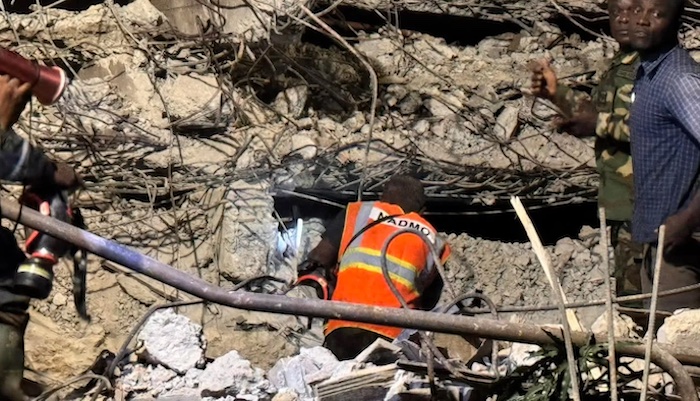
Emergency responders, including government agencies, the Kenya Red Cross Society and other humanitarian organisations, are continuing rescue and relief efforts, although access to some of the worst-hit areas remains difficult due to damaged roads and ongoing rains.
Authorities have urged residents living in flood-prone zones to move to safer ground as the rains persist, warning that the death toll could rise further if precautionary measures are not taken. The situation remains fluid, with forecasts indicating continued rainfall in several parts of the country, raising fears of further flooding in the days ahead.
About the Author