Move Could Lower Debt Costs and Provide Breathing Space for Nigeria’s Stretched Public Finances
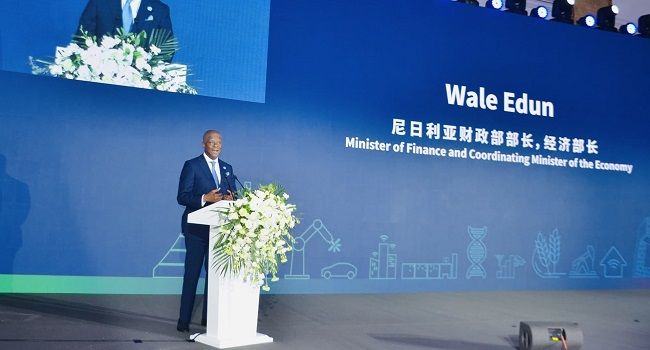
Nigeria’s Finance Minister and Coordinating Minister of the Economy, Wale Edun, has hinted that the Central Bank of Nigeria (CBN) may consider cutting interest rates further if the country’s inflation trajectory continues to improve. The comments, made on the sidelines of the Abu Dhabi Sustainability Week, come amid growing concerns over Nigeria’s heavy debt burden and fiscal pressures.
Edun praised the CBN for its “excellent” progress in taming inflation, attributing the moderation to aggressive monetary tightening over the past two years, including a policy rate increase from 2022 levels and a 50 basis-point cut in September 2025, which brought the monetary policy rate to 27%.
Why Rate Cuts Matter
The finance minister explained that lower interest rates would reduce borrowing costs, freeing up government revenue currently spent on servicing debt and easing pressure on the national budget.
“Nigeria’s budget remains heavily burdened by debt servicing costs and volatile oil revenues. Any easing in borrowing costs can materially improve fiscal sustainability,” Edun noted.
The proposed 2026 budget allocates more than a quarter of its N58 trillion plan around N40 trillion to interest payments, with projected revenues of roughly N34 trillion. This leaves a budget deficit of approximately N24 trillion, or 4.3% of GDP, wider than the previous year’s shortfall.
Government Strategy and Reforms
Edun stressed that the government’s borrowing approach would remain flexible and market-driven, guided by investor appetite, timing, and compliance with debt limits outlined in the medium-term expenditure framework.
Beyond monetary policy, the administration is taking steps to increase revenue mobilisation and reduce reliance on borrowing, including:
- Migrating all ministries, departments, and agencies (MDAs) to automated payment platforms to improve transparency and limit leakages.
- Leveraging privatisation proceeds and divestments from the Nigerian National Petroleum Company (NNPC).
- Expanding domestic crude oil production to boost federal revenue.
Lower inflation and borrowing costs, according to Edun, could create fiscal breathing room, support economic growth, and make government finances more sustainable amid ongoing challenges in oil markets and widening deficits.
About the Author