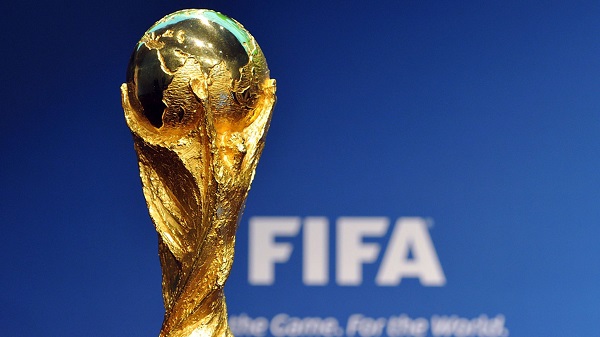
In a significant move to modernize the flow of the game, FIFA and the International Football Association Board (IFAB) have officially approved four major rule amendments that will debut at the 2026 World Cup. The upcoming tournament, hosted jointly by the United States, Canada, and Mexico, is already set for a historic transformation as the field expands from 32 to 48 nations. These latest technical adjustments aim to curb deliberate time-wasting and provide officials with enhanced technological support for high-stakes decisions.
The new regulations focus on maintaining a high tempo and ensuring that the officiating matches the prestige of the global stage. By introducing strict time limits and expanding the authority of the Video Assistant Referee, the governing body hopes to eliminate common frustrations shared by players and fans alike.
The Four Pillar Rule Changes:
-
Timed Substitutions: To prevent teams from using late-game changes to drain the clock, exiting players must now leave the pitch within 10 seconds of the official signal. Should they exceed this limit, the incoming substitute will be penalized with a mandatory one-minute wait on the touchline before they are permitted to join the action.
-
Five-Second Restart Clock: The “countdown principle” will now apply to throw-ins. Players must put the ball back into play within five seconds of being in position. Failure to meet this deadline will result in an immediate loss of possession, with the throw-in being awarded to the opposing team.
-
Mandatory Off-Field Recovery: In an effort to discourage tactical injury feigning, any player who receives on-field medical attention will be required to remain off the pitch for exactly one minute after play resumes. This “cool-down” period ensures that medical stoppages are only utilized for genuine physical concerns.
-
Expanded VAR Jurisdiction: The scope of video review has been widened to include second yellow card incidents that lead to a dismissal, as well as incorrectly awarded corner kicks. These reviews are intended only for “clear and obvious errors” and must be conducted swiftly to avoid further disrupting the rhythm of the match.
These updates represent some of the most profound changes to the Laws of the Game in recent years, signaling a shift toward a more dynamic and transparent version of professional football. As the 48 teams prepare for their journey across North America, the adaptation to these new protocols will likely become a key focus of their tactical training.
About the Author