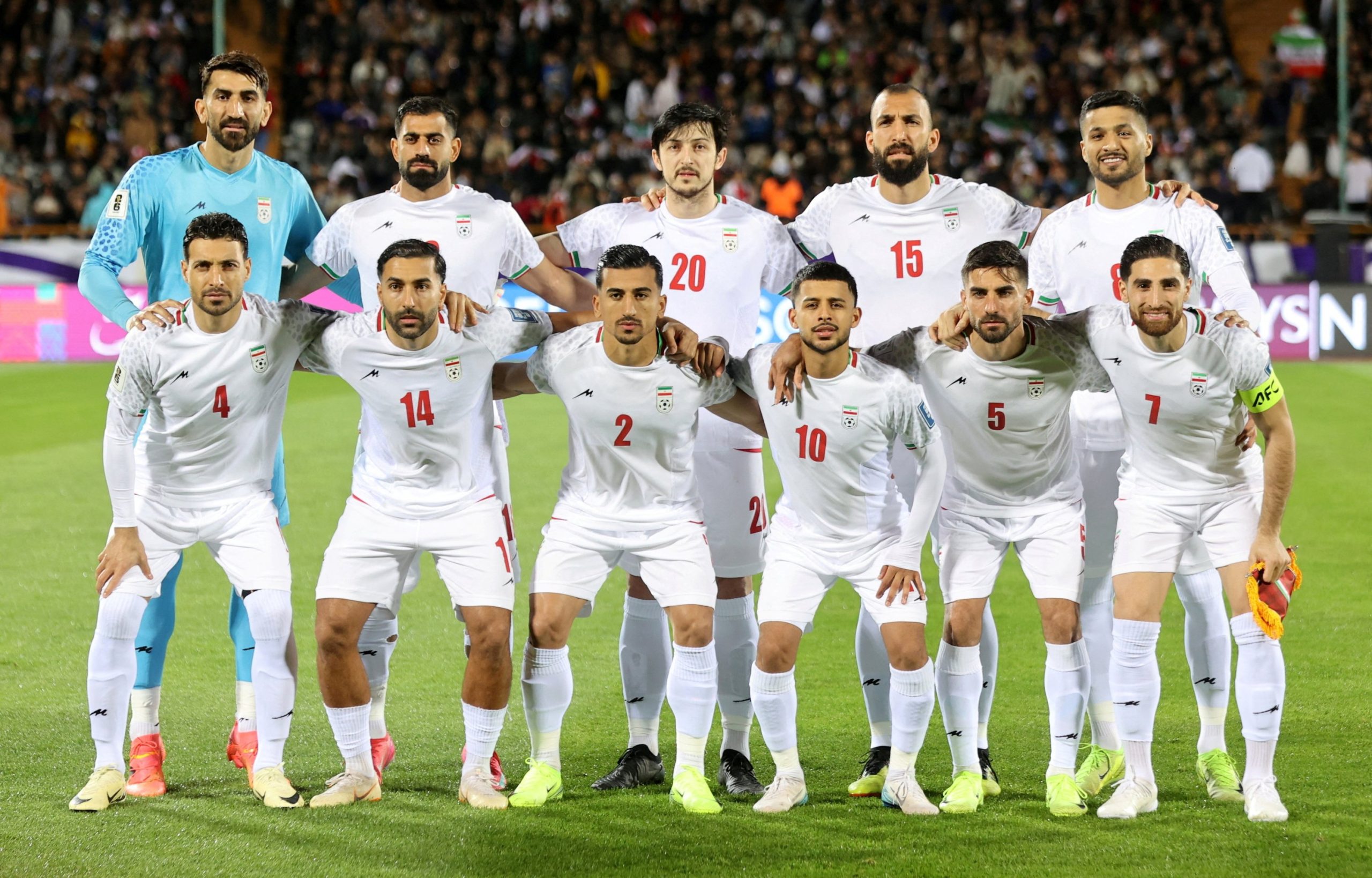
Football’s global governing body has initiated an urgent review of its tournament structure following Iran’s decision to relinquish its position in the 2026 FIFA World Cup. According to a report by the UK Mirror, the withdrawal is a direct consequence of the geopolitical instability caused by recent military strikes on the nation. As the tournament is primarily hosted in the United States, the evolving political climate and diplomatic decisions under the current administration have begun to exert a profound influence on the international sporting landscape.
The crisis within the Iranian state was precipitated by a series of missile strikes that resulted in the death of Supreme Leader Ayatollah Ali Khamenei and caused significant destruction within Tehran. These events have effectively forced the nation’s exit from the competition, leaving a critical vacancy in a group that currently features Egypt, Belgium, and New Zealand.
The administrative challenge for FIFA is multifaceted, as the organization must now determine the most equitable method for filling the void left by a team that topped its Asian qualification group. One proposed strategy involves the promotion of the United Arab Emirates (UAE), who secured a second-place finish in the same group. However, the situation is clouded by the fact that the UAE was recently defeated by Iraq in a decisive match to determine eligibility for the intercontinental play-offs.
Under the existing qualification framework, Iraq is slated to face the winner of the clash between Bolivia and Suriname to secure a final World Cup berth. This has led to intense internal debate within FIFA regarding the most logical replacement. Some stakeholders are advocating for Iraq to be granted an automatic entry as the direct successor to Iran’s spot, a move that would subsequently require the UAE to be reinstated into the play-off system.
As the countdown to the summer tournament continues, the governing body faces the daunting task of resolving these logistical and competitive complications while navigating the sensitive intersection of global politics and professional football.
About the Author