Government shifts focus to ranching, productivity, and value-chain expansion to drive food security and jobs
The Federal Government has announced plans to more than double the economic value of Nigeria’s livestock industry, projecting an increase in the sector’s contribution to Gross Domestic Product from $32 billion to over $74 billion within the next decade.
The Minister of Livestock Development, Idi Mukhtar Maiha, disclosed this on Tuesday in Ilorin, during a livestock stakeholders’ engagement convened by the Kwara State Government. The forum brought together more than 250 stakeholders spanning the livestock value chain.
Speaking through his Special Adviser, Mark Mbaram, the minister said the renewed focus on livestock development reflects the government’s determination to strengthen food security, create jobs, and diversify the economy.
According to him, the Federal Government now considers food security a core element of national security, prompting a strategic shift to reposition the livestock sub-sector as a key economic driver.
Maiha revealed that the ministry has developed a National Livestock Growth Acceleration Strategy, which has been approved by the National Economic Council, to significantly improve productivity and expand the sector’s economic impact.
He added that a dedicated committee has been established to promote ranching as a sustainable and modern model for livestock production.
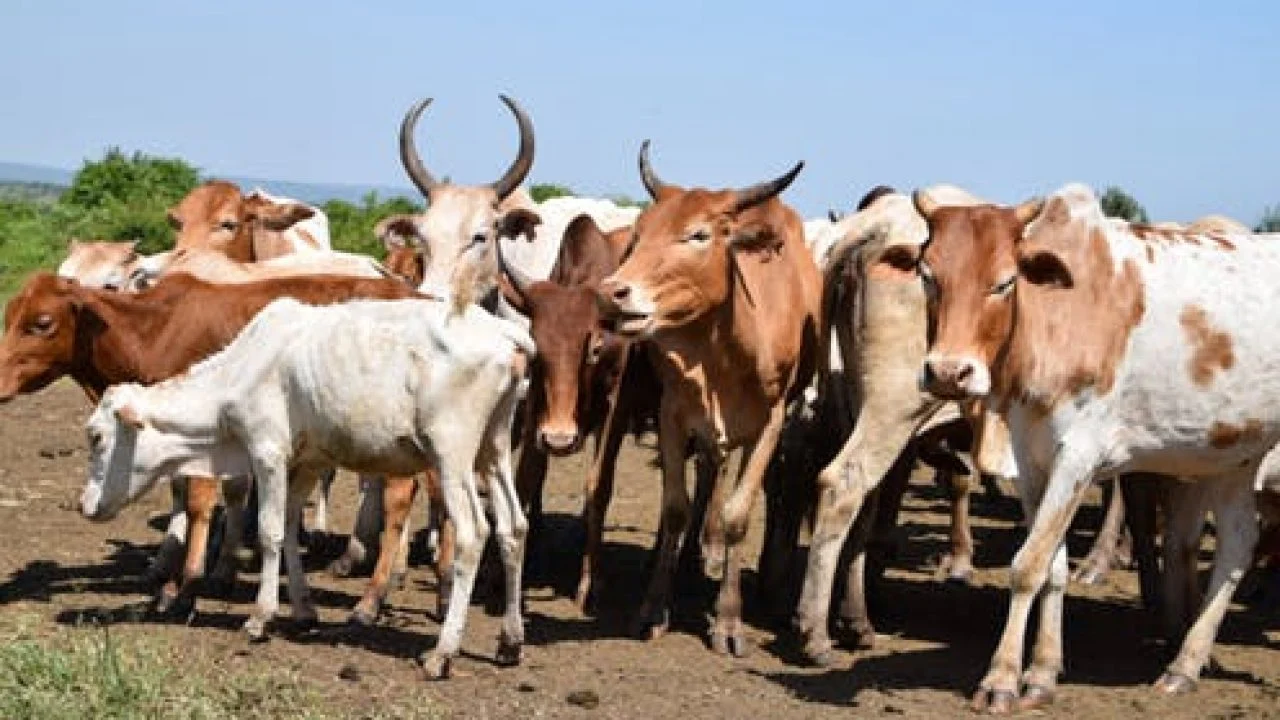
“The system of open grazing and itinerant herding is no longer viable in today’s economic and security environment,” he said. “Ranching offers better animal management, improved productivity, and higher returns on investment.”
Maiha stressed that even within pastoral communities, there is growing recognition that nomadic livestock practices are no longer profitable.
“The era of nomadism is gradually fading. Ranching is the future, and it is the most practical path to modernising livestock production in Nigeria,” he added.
The minister highlighted several high-growth opportunities within the sector, including beef production, poultry, dairy farming, micro-ruminants, and allied services capable of generating large-scale employment. He noted that while livestock had historically posed development challenges, it now has the potential to become a major economic asset if properly managed.
Maiha also praised the Kwara State Government for its proactive approach to livestock development, describing the state as a key partner in implementing the Federal Government’s livestock reform agenda.
In her remarks, the Kwara State Commissioner for Livestock Development, Oloruntoyosi Thomas, said the state was committed to resolving long-standing challenges in the sub-sector through inclusive dialogue and policy-driven solutions.
She said the engagement attracted a wide range of participants, including poultry farmers, pastoralists, crop farmers, ranchers’ associations, feed mill operators, the Nigerian Animal Science Association, the Veterinary Council of Nigeria, and youth-led farming groups.
Also speaking at the event, the Director of Livestock Services in the ministry, Mohammed Ahmad Umar, said the sector had suffered prolonged neglect when it was previously housed under the Ministry of Agriculture, despite its vast economic potential.
According to him, the stakeholders’ meeting was designed to unite value-chain actors to identify constraints and develop sustainable solutions to unlock growth.
“Kwara State is demonstrating strong commitment to livestock development through partnerships with the private sector,” Umar said. “The state is also working to improve access to finance, markets, and off-taker arrangements for livestock farmers.”
On animal health, the Director of Veterinary Services, Dr Olugbon Abdullateef Salman, emphasised that productivity in the livestock industry depends heavily on disease prevention and proper animal care.
“Livestock farming is only profitable when animals are healthy,” he said. “Vaccination reduces losses, prevents disease outbreaks, and protects public health by limiting zoonotic infections that can be transmitted from animals to humans.”
The engagement reinforced the government’s broader goal of transforming Nigeria’s livestock sector into a structured, profitable, and sustainable contributor to national development.
About the Author