Move targets long-standing payment arrears threatening survival of local firms and bank loan repayments
The Federal Government has proposed a ₦100 billion allocation in the 2026 national budget to settle outstanding debts owed to indigenous contractors executing public sector projects across the country.
Details from the 2026 Appropriation Bill show that the provision appears under a specific budget line titled “Payment of Local Contractors’ Debts,” signalling renewed efforts by the government to address long-standing liabilities to Nigerian-owned firms.
Budget documents indicate that the ₦100 billion allocation is earmarked exclusively for clearing arrears owed to local contractors for completed and ongoing federal projects. Many of these obligations have accumulated over several years, largely due to funding gaps, delayed budget releases, and persistent cash flow challenges faced by the Federal Government.
The move suggests official acknowledgement of the growing financial pressure on indigenous contractors, many of whom depend heavily on bank loans to finance government contracts while awaiting payment.
Industry groups, particularly the All Indigenous Contractors Association of Nigeria (AICAN), have repeatedly drawn attention to the issue, warning that prolonged non-payment is pushing several local firms to the brink of collapse.
In the past, AICAN members have staged protests in Abuja over delayed payments, arguing that unpaid invoices have left contractors unable to service loans, leading to rising interest costs, loan defaults, and the risk of asset seizures by financial institutions.
Local contractors play a key role in Nigeria’s infrastructure delivery, job creation, and local content development, and stakeholders say persistent payment delays weaken their financial positions, reduce their capacity to execute new projects, and contribute to rising non-performing loans in the banking sector.
The proposed ₦100 billion allocation is expected to ease liquidity pressures, restore confidence among contractors, and help sustain jobs across construction and related industries.
However, analysts note that unpaid contractor obligations have remained a recurring challenge in Nigeria’s public finance management. Similar provisions have appeared in past budgets, but contractors often complain that budgetary approvals do not always translate into actual cash disbursements.
As a result, the effectiveness of the 2026 allocation will largely depend on timely fund releases, transparent verification of claims, and efficient payment processes.
The inclusion of the contractor debt settlement provision comes amid broader fiscal pressures, as the Federal Government seeks to balance debt servicing obligations, personnel costs, and capital spending within the 2026 budget framework.
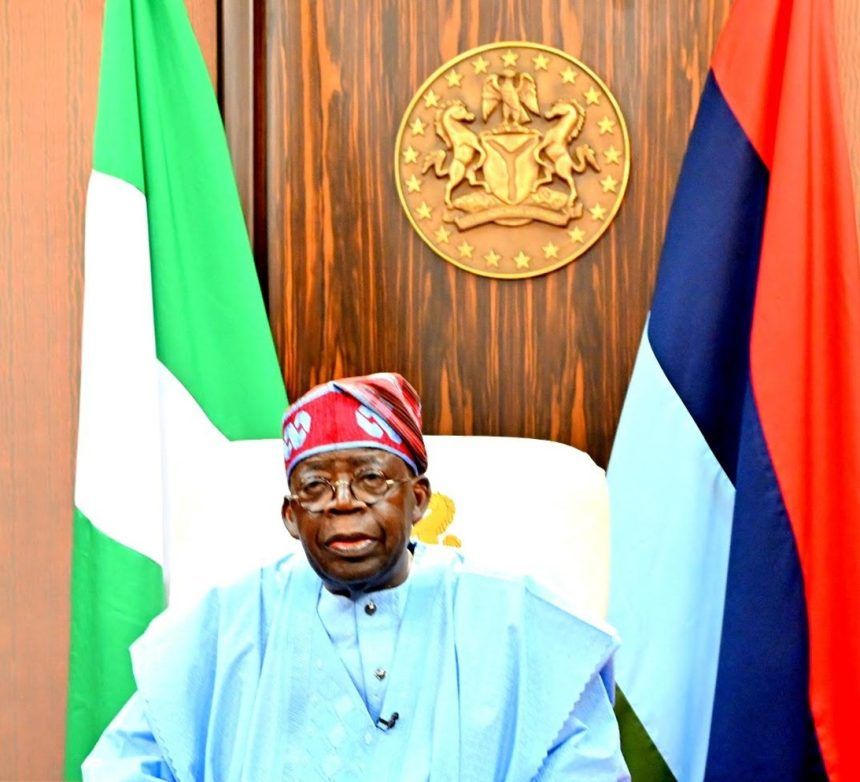
In December, President Bola Tinubu constituted a multi-ministerial committee to address the lingering crisis surrounding unpaid federal contractors, a move that raised expectations within the construction sector that concrete action would follow.
Whether the ₦100 billion allocation will finally translate into meaningful relief for indigenous contractors will become clearer as budget implementation unfolds in 2026.
About the Author