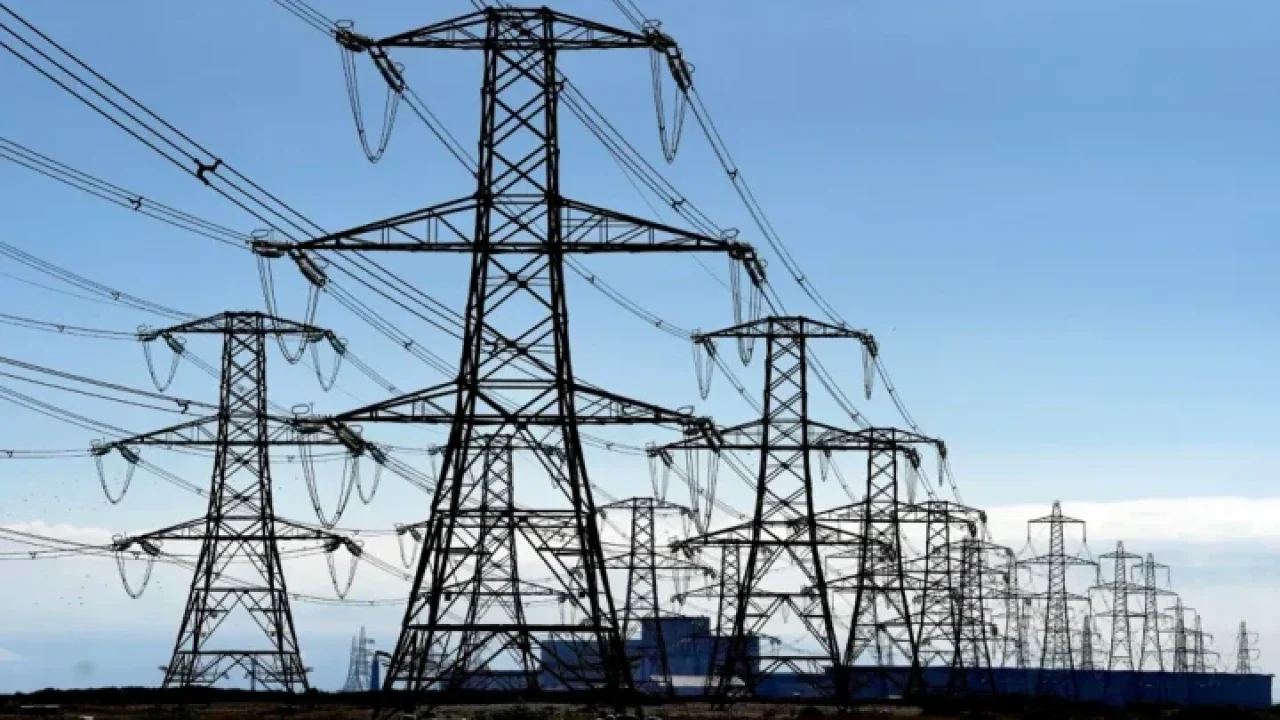
Siemens-led overhaul revives Geregu NIPP, pushes NDPHC’s restored capacity to 875MW as Nigeria intensifies efforts to bring dormant gas turbines back online….
The Federal Government has injected 450 megawatts back into the national grid following the completion of scheduled maintenance at the Geregu National Integrated Power Project (NIPP) in Kogi State. The upgrade was carried out by Siemens Energy under a four-week extended minor inspection.
The Niger Delta Power Holding Company (NDPHC), which oversees the NIPP assets, said the intervention has improved the plant’s reliability, operating efficiency, and Equivalent Operating Hours, enhancing what it described as one of Nigeria’s most strategic power generation facilities.
The development was disclosed on Monday in a statement issued by NDPHC’s Head of Corporate Communications and External Relations, Emmanuel Ojor.
Managing Director/Chief Executive Officer, Jennifer Adighije, said the Geregu overhaul is part of a broader recovery programme aimed at reviving dormant capacity across the company’s power fleet.
According to the statement, six gas turbines that had been idle for several years have been restored in the last 12 months. These include GT4 at Calabar NIPP; GT1 at Omotosho II; GT1 and GT2 at Benin NIPP; GT4 at Sapele NIPP; and GT3 and GT4 at Alaoji NIPP, which are now awaiting pre-commissioning once gas supply bottlenecks are resolved.
In total, the restored units contribute roughly 875MW to NDPHC’s mechanically available capacity—one of the biggest single-year recoveries recorded by any Nigerian power generation company in recent times.
Adighije also announced that work has begun on restoring the 225MW Gbarain NIPP plant in Bayelsa State, which has been offline since 2020. She described the project as a major milestone in the government’s push to revive dormant national power assets and support the company’s commercialisation strategy targeted at powering key industrial and commercial clusters in the Niger Delta.
Despite persistent challenges such as gas shortages, grid instability, and liquidity issues across the power sector, NDPHC said it had achieved significant operational and financial progress over the past year.
Among the achievements are the recovery of 110 containers loaded with critical turbine parts and Heat Recovery Steam Generator components that were abandoned at Onne Port for more than nine years.
Other milestones include the commencement of the Light Up Nigeria – Agbara Industrial Cluster Project, designed to provide reliable power to the Agbara Industrial Estate; the development of a 10MW embedded solar plant for an industrial zone in Kano; completion of key transmission and distribution projects in Borno and Delta States; and the long-delayed completion of the Afam–Ikot Ekpene 330kV double-circuit line.
The company also recovered more than $10 million in legacy debts from bilateral customers, secured $15 million in insurance claims for the Alaoji plant fire incident, and is working with the Nigerian Electricity Regulatory Commission on mechanisms for recovering its investments in Transmission Company of Nigeria projects.
NDPHC further resolved longstanding commercial disputes with ACCUGAS, leading to an amended gas supply agreement that significantly reduces the company’s—and by extension, the Federal Government’s—exposure.
Beyond infrastructure, Adighije said several internal reforms have been introduced to improve accountability and staff welfare. These include establishing a procurement benchmarking desk, deploying computer-based testing for performance evaluations, and approving a management support allowance to cushion the impact of fuel subsidy removal.
Reaffirming NDPHC’s long-term mandate, she said the company remains committed to restoring dormant capacity, stabilising operations, and supporting Nigeria’s vision of a more reliable and sustainable electricity supply chain.
NDPHC serves as the special-purpose vehicle for managing the National Integrated Power Project, created in 2005 to fast-track power infrastructure development. Many NIPP plants, however, have suffered years of underutilisation due to gas shortages, delayed transmission projects, and liquidity issues within the electricity market.
The latest recovery efforts mark one of the most aggressive turnaround initiatives undertaken by NDPHC since its establishment.
About the Author