Umahi says 47km stretch will ease Lekki–Ajah traffic as commuters begin using Section 1….
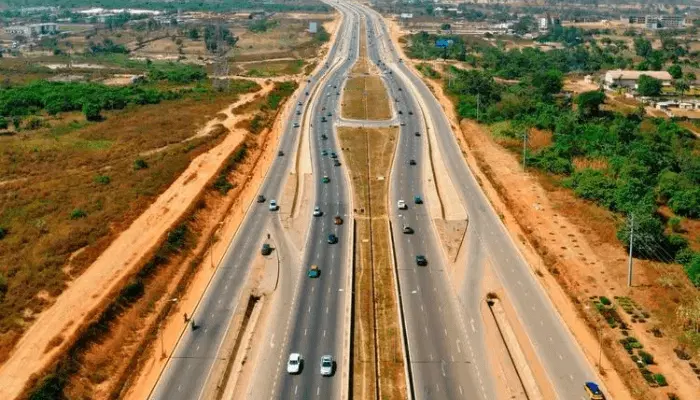
Commuters in Lagos are set to enjoy some relief this festive season following the temporary opening of Section 1 of the Lagos–Calabar Coastal Highway by the Federal Government on Friday.
The newly opened section covers 47 kilometres, stretching from the Ahmadu Bello Way junction to the Eleko village junction.
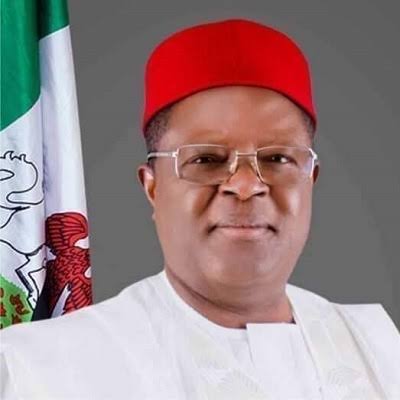
Minister of Works, Dave Umahi, announced the opening during an event in Lagos attended by government officials, traditional rulers, and key stakeholders.
Umahi said the decision to open the road was aimed at reducing traffic congestion and easing the driving experience, particularly for motorists along the Lekki–Ajah corridor, which has long been plagued by gridlock.
“The opening of this road will bring significant relief to commuters and end the harrowing experience many road users face daily,” the minister said.
With Section 1 now accessible to motorists, Umahi noted that the Federal Government has kept its promise to Nigerians regarding the delivery of the project.
The works minister recalled that during an inspection of the project last month, he had assured that the section would be completed and opened to traffic between December 12 and 17, 2025.
Although the road has been opened for use, Umahi disclosed that April 2026 has been earmarked for the full completion of Section 1.
The Lagos–Calabar Coastal Highway is a major infrastructure project designed to traverse nine coastal states, starting from Lagos and terminating in Cross River State. The road will also pass through Ogun, Ondo, Edo, Delta, Bayelsa, Rivers, Akwa Ibom, and Cross River states.
The entire highway is projected to span approximately 700 kilometres.
The Federal Executive Council (FEC) approved the construction of the coastal road in February 2024, with work commencing on the Lagos axis the following month. In May 2024, President Bola Ahmed Tinubu officially flagged off the multimillion-naira project, which is estimated to cost ₦4 billion per kilometre.
Despite public criticism surrounding the project’s cost and procurement process, President Tinubu has maintained that the coastal highway will deliver long-term economic and transportation benefits to Nigerians.
Umahi had earlier stated in April 2024 that the entire project is expected to be completed within eight years.
The demolition of properties along the Lagos axis to enable construction also sparked widespread controversy, a move the Federal Government has continued to defend as necessary for the execution of the project.
About the Author