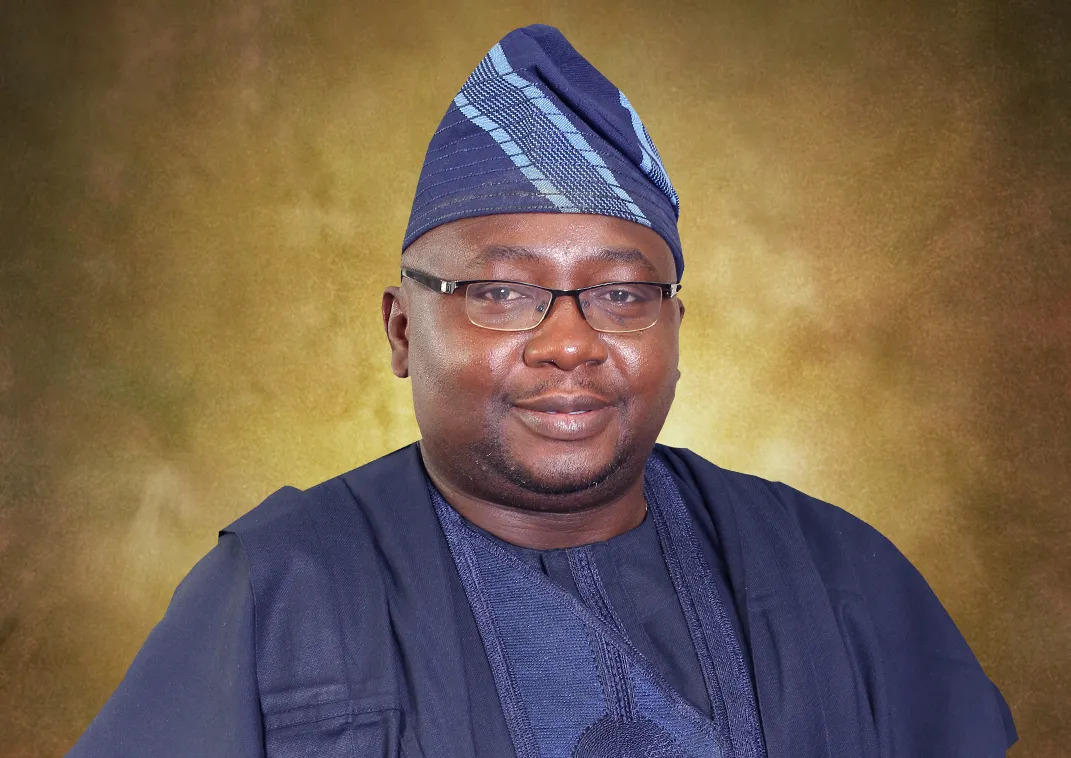
Adelabu vows decisive action as gas shortages cripple electricity generation nationwide….
In a renewed push to stabilise Nigeria’s fragile power supply, the Federal Government has inaugurated a Gas-to-Power Monitoring Committee to address the persistent gas shortages crippling electricity generation across the country.
The move, announced by the Minister of Power, Adebayo Adelabu, follows a wave of nationwide blackouts linked to inadequate gas supply to thermal power plants.
Describing the initiative as a “decisive and strategic step,” Adelabu said the government is determined to confront one of the most critical bottlenecks in the Nigerian Electricity Supply Industry.
Nigeria relies heavily on gas-fired power stations, which account for roughly 80 percent of the country’s electricity generation. However, these plants have repeatedly been forced to scale down operations due to supply disruptions, pipeline vandalism, mounting debts owed to gas producers, and weak coordination across the sector.
According to the minister, the newly formed committee represents a clear break from past approaches that failed to resolve these challenges.
“This is a declaration of intent,” Adelabu said. “We can no longer tolerate a system where gas constraints continue to undermine generation capacity and deny Nigerians reliable electricity.”
The committee was established following high-level discussions during the first quarter 2026 Ministerial Power Sector Working Group meeting, where key structural issues ranging from infrastructure gaps to pricing and liquidity concerns were identified as major obstacles.
Its mandate goes beyond routine oversight. Members are expected to actively track and resolve critical issues affecting gas supply, including the repair of damaged pipelines, settlement of outstanding debts to suppliers, and removal of commercial and operational barriers limiting gas availability.
Adelabu made it clear that the committee would be judged by results, not rhetoric.
“This committee must function, not merely exist,” he said, urging members to deliver practical solutions especially around guaranteeing payments to gas suppliers, a long-standing issue in the sector.
He added that the government expects regular progress reports, clear milestones, and swift escalation of urgent issues requiring intervention.
The committee draws members from across the energy value chain, including representatives from the Ministry of Power, Nigerian Independent System Operator, Transmission Company of Nigeria, the Association of Power Generation Companies, the Niger Delta Power Holding Company, the Nigerian Gas Association, and consumer advocacy groups.
In his remarks, the Permanent Secretary of the ministry, Mahmuda Mamman, underscored the urgency of the intervention, pointing to infrastructure deficits, vandalism, and financial constraints as long-standing barriers to stable electricity supply.
He stressed that ensuring consistent gas availability is central to improving generation capacity, strengthening grid stability, and delivering better service to consumers.
With expectations high and pressure mounting after recent blackouts, the success of the committee could prove pivotal in determining whether Nigeria can finally overcome one of the most persistent challenges in its power sector.