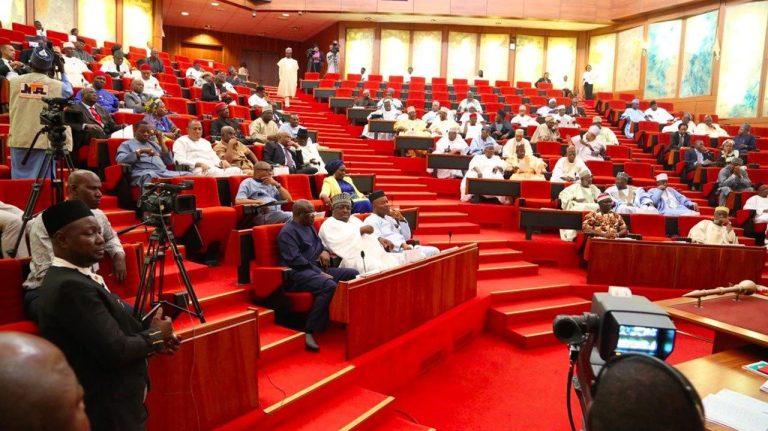
Nigeria’s 36 states and FCT adopt simplified tax framework under the Nigeria Tax Act 2025 to boost formalisation, credit access, and business growth….
The Federal Government of Nigeria has unveiled new presumptive tax regulations for Micro, Small, and Medium Enterprises (MSMEs), a move aimed at simplifying compliance and easing the entry of small businesses into the formal economy.
The announcement was made on Wednesday by the Minister of Finance and Coordinating Minister of the Economy, Wale Edun, highlighting that the reforms under the Nigeria Tax Act 2025, effective from 1 January, are designed to protect small businesses from arbitrary tax assessments while encouraging formalisation.
“Micro and small businesses are the backbone of Nigeria’s economy. This framework reduces compliance costs and provides a structured pathway into the formal sector,” Edun said. “Our fiscal strategy focuses on expanding the tax base, not increasing rates. Inclusion drives sustainability.”
He added that the new presumptive tax rules replace complex record-keeping with turnover-based bands, eliminate discretionary enforcement, and create avenues for informal enterprises to access credit, insurance, and growth opportunities. The framework also aligns federal and state tax administrations through the Joint Revenue Board, signalling a unified approach to reform for investors, partners, and credit rating agencies.
Simplifying taxation for small businesses
Nigeria’s tax system has historically been fragmented, with cumbersome procedures that limited compliance and slowed business growth. Many MSMEs faced inconsistent enforcement and high administrative burdens, restricting their access to financial services.
The Nigeria Tax Act 2025 was introduced to address these challenges, modernising and harmonising tax rules across federal and state levels and providing a clearer path for small businesses to join the formal economy.
Under the new framework:
- MSMEs in all 36 states and the FCT now operate under consistent nationwide tax rules.
- Turnover-based tax bands replace complex bookkeeping, reducing administrative burdens.
- Alignment via the Joint Revenue Board ensures uniform application and cuts duplication.
- The system fosters transparency, fairness, and economic diversification, strengthening non-oil revenue sources.
A broader reform agenda
The presumptive tax framework forms a key part of a wider tax reform strategy under President Bola Tinubu’s administration. Last June, the President signed four pivotal bills into law, including:
- The Nigeria Tax Bill
- The Nigeria Tax Administration Bill
- The Nigeria Revenue Service (Establishment) Bill
- The Joint Revenue Board (Establishment) Bill
Together, these measures aim to modernise Nigeria’s fiscal landscape, harmonise taxation across the federation, and position small businesses to thrive while contributing to sustainable economic growth.
About the Author