GDP Grows by 3.9%, External Reserves Rise to $44.56bn — Information Minister
The Federal Government has outlined key economic improvements recorded in 2025, including a sustained decline in inflation, steady economic growth, and stronger external reserves.
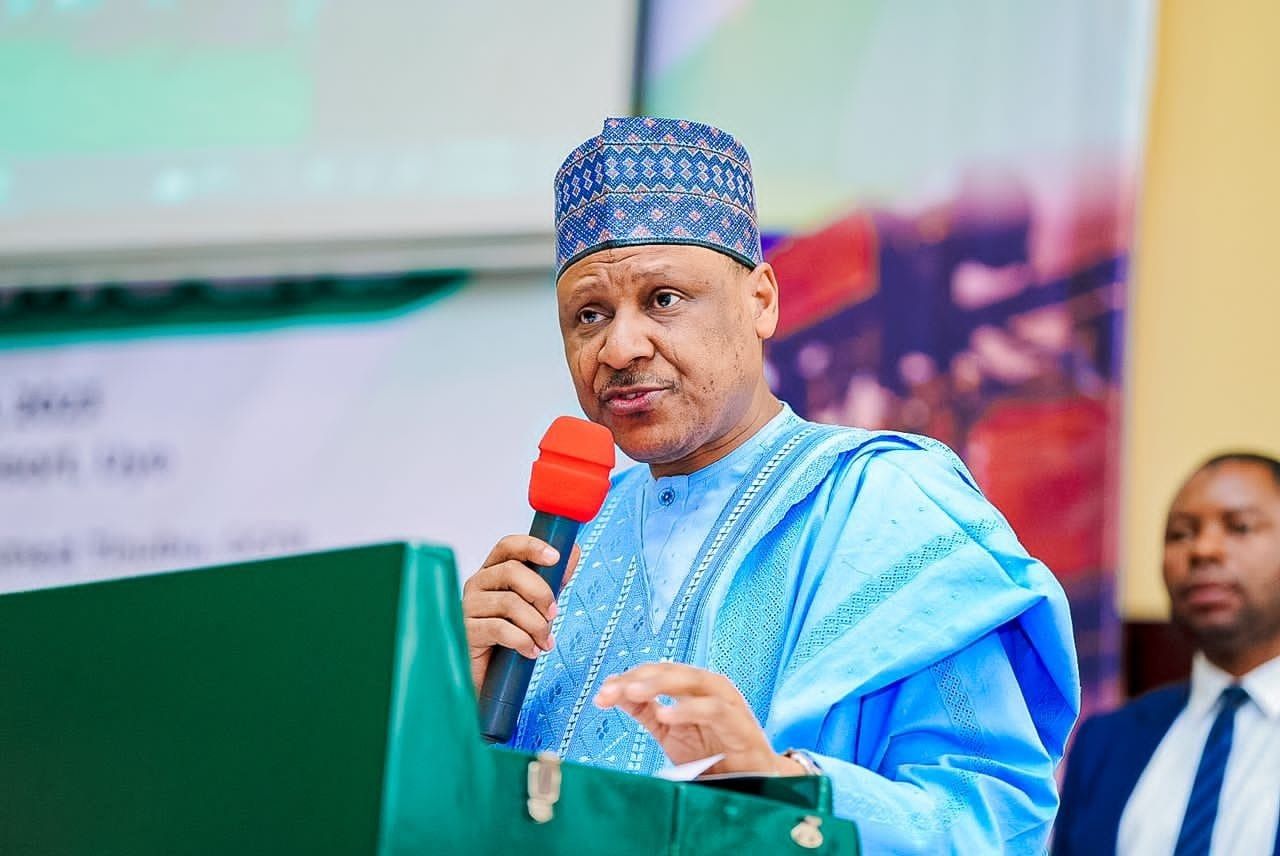
The Minister of Information and National Orientation, Mohammed Idris, disclosed this on Monday during his end-of-year press briefing in Abuja, where he presented what he described as major milestones of the Tinubu administration over the past year.
According to Idris, headline inflation dropped to 14.45 per cent in November 2025, marking the eighth consecutive month of decline, while Gross Domestic Product (GDP) expanded by approximately 3.9 per cent in the third quarter of the year, driven largely by resilience in the non-oil sector.
He also revealed that Nigeria recorded a trade surplus of ₦6.69 trillion in Q3 2025, reflecting improved export performance and moderated import pressures.
On the external sector, the minister said the country’s foreign exchange reserves rose steadily to $44.56 billion, strengthening Nigeria’s capacity to stabilise the naira and enhance investor confidence.
Idris further highlighted improvements in the power sector, noting that maximum daily electricity supply peaked at 128,370.75 megawatt-hours nationwide in March, an indication of progress in energy generation and distribution.
Among other achievements, he listed Nigeria’s exit from the Financial Action Task Force (FATF) Grey List and the ₦1.5 trillion recapitalisation of the Bank of Agriculture, which he described as the largest single investment in agricultural financing in the country’s history.
“Headline inflation has declined for eight consecutive months and stood at 14.45 per cent in November 2025, while food inflation has also maintained a steady downward trajectory,” the minister said.
He added that President Bola Ahmed Tinubu’s approval of the Bank of Agriculture recapitalisation was aimed at boosting food production, improving rural livelihoods, and strengthening national food security.
Looking ahead, Idris assured Nigerians that the Federal Government remains focused on further easing cost-of-living pressures in 2026, as economic reforms continue to take effect.
About the Author