Power Minister Adelabu cites gas shortages, global tensions, and infrastructure gaps while outlining renewable energy solutions….
The Federal Government has issued an apology to Nigerians over the recent wave of power outages, while assuring citizens that efforts are underway to stabilise electricity supply in the coming days.
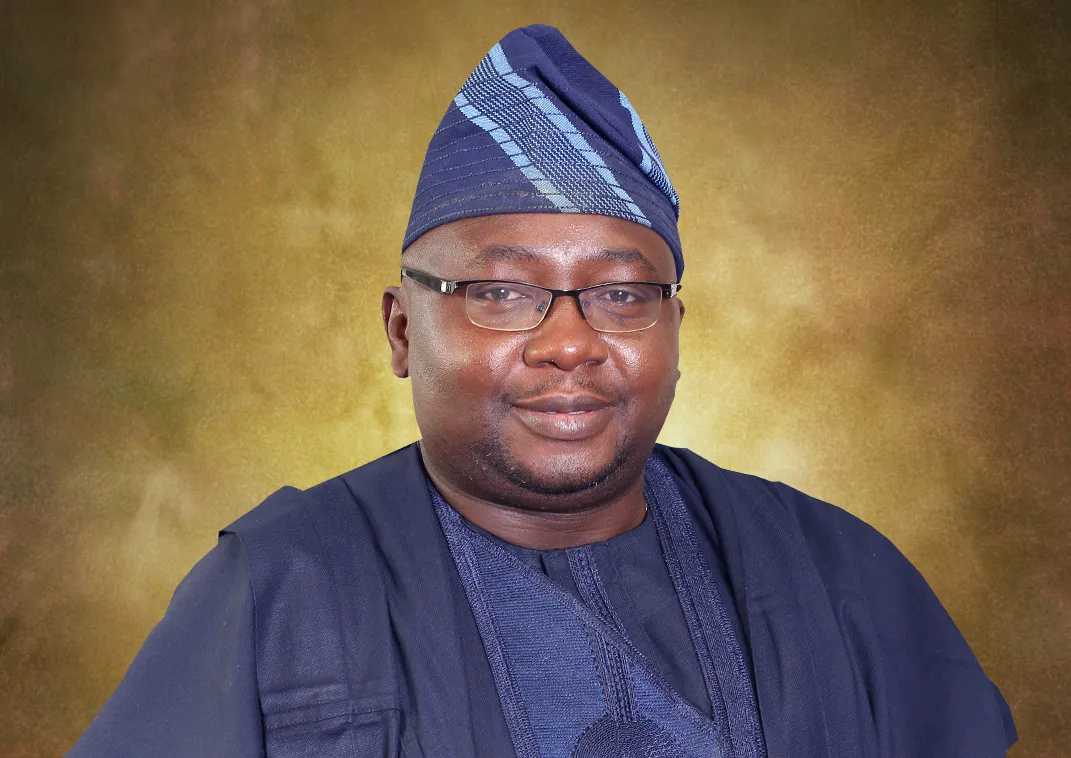
Nigeria’s Minister of Power, Adebayo Adelabu, made the disclosure on Tuesday during a press briefing where he reviewed the administration’s performance over the past three years.
Addressing growing concerns over the outages, the minister acknowledged the hardship being faced by households and businesses, particularly as high temperatures intensify electricity demand.
“I want to apologise to Nigerians… for this temporary issue that is leading to hardship,” he said, noting that the situation has disrupted economic activities across multiple sectors, including education and industry.
Adelabu explained that the current electricity challenges are largely driven by gas supply shortages to power generation companies. According to him, the shortfall is linked to significant debts owed to gas suppliers, which has constrained their ability to maintain consistent supply.
He further warned that ongoing geopolitical tensions, particularly conflicts in the Middle East, could exacerbate the situation by affecting global energy markets.
Nigeria’s power sector remains heavily dependent on gas-fired plants, making it vulnerable to disruptions tied to fuel availability, pipeline maintenance, and ageing infrastructure. These long-standing issues, combined with financial constraints within the sector, continue to limit the country’s power generation capacity.
“These challenges affect both the quantity and quality of gas supplied, leading to reduced output and inefficiencies,” the minister stated.
In response, Adelabu outlined plans to diversify Nigeria’s energy mix, with a strong push toward renewable energy solutions. He emphasised the importance of expanding off-grid and mini-grid systems as a faster and more sustainable way to improve electricity access.
“Renewable energy provides a cost-effective pathway to expand access without putting additional pressure on the national grid,” he said.
The minister also highlighted the need to integrate large-scale renewable sources such as solar and hydro into the grid. This, he noted, would not only reduce dependence on gas but also enhance energy security and support climate goals.
However, he stressed that achieving this would require significant investment in grid infrastructure, including advanced monitoring systems and improved planning to manage supply fluctuations.
Beyond the power sector, Adelabu addressed speculation about his political future. While some observers believe he may be considering a run for governor of Oyo State in 2027, the minister declined to confirm any ambition.
He referenced the directive by Bola Tinubu requiring political appointees with electoral aspirations to resign by March 31, noting that he still has time before making any decision.
Adelabu maintained that his primary focus remains service, whether at the federal or subnational level, leaving his next political move open-ended.
About the Author