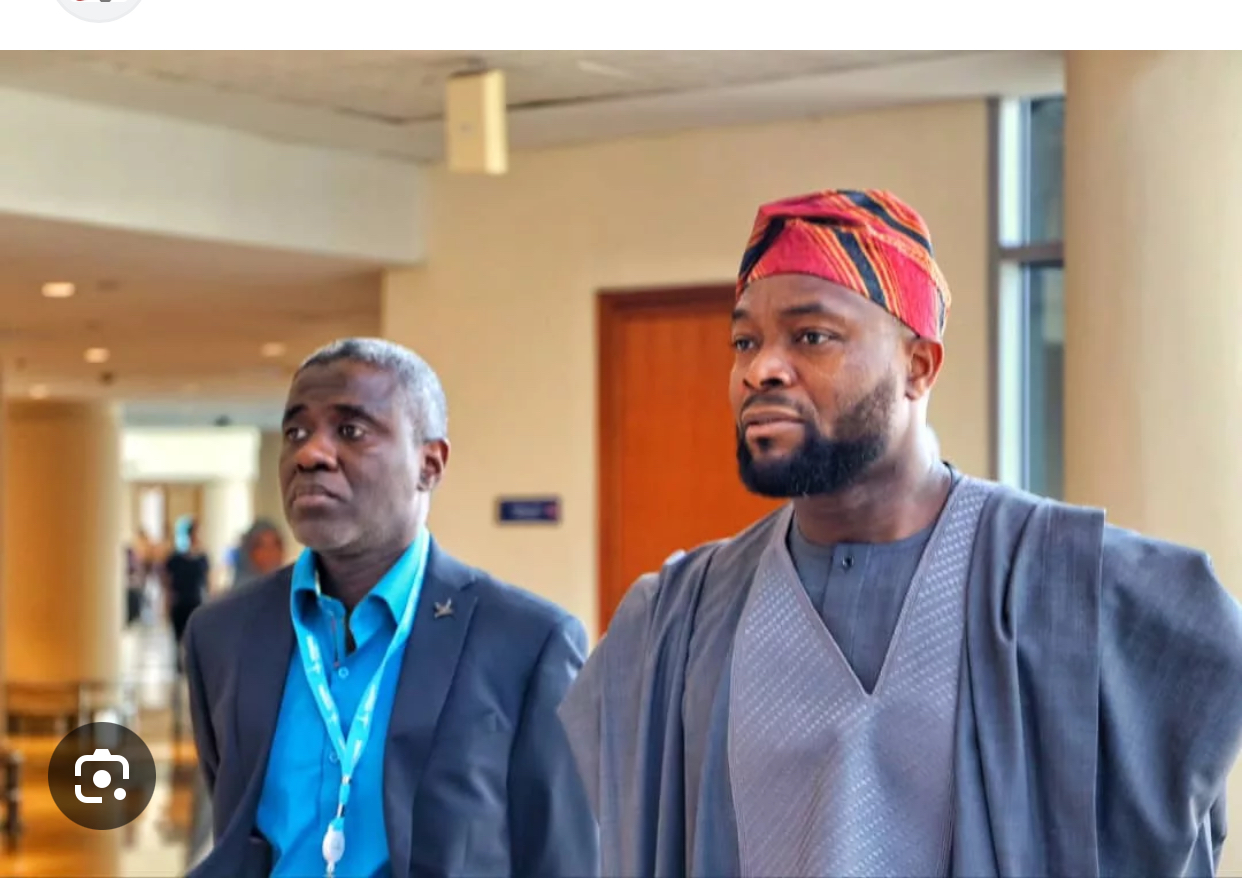
Efforts to deepen digital inclusion and expand connectivity nationwide have been intensified by the Nigerian Government, with a focus on closing the gap between urban and rural communities.
Minister of Communications, Innovation and Digital Economy, Bosun Tijani, says the Government remains committed to expanding digital infrastructure and improving nationwide connectivity, especially in underserved areas.
Tijani made this known during the inauguration of the Governing Board of the Universal Service Provision Fund (USPF) under the Nigerian Communications Commission, noting that Nigeria has made significant investments in digital development to support services and business digitisation.
He disclosed ongoing plans, including the deployment of 90,000 kilometres of fibre optic cable and about 4,000 telecommunications towers across the country.
“Today, connectivity is almost ubiquitous, compared to the early days when even acquiring a SIM card was expensive. This reflects the progress we have made”, he said.
Tijani, however, noted that despite these investments, millions of Nigerians, particularly in rural areas, still lack adequate access.
He said the USPF has helped bridge the gap through telecom tower deployment and computer laboratories in schools, but stressed the need to go beyond access to ensure “meaningful use” of digital tools.
“It is not enough to connect communities; we must ensure citizens derive value. Schools should teach with digital tools, and small businesses must access broader markets,” he said.
He referenced a pilot project in Kura community near Abuja, where about 12,000 residents previously lacked telephony services, saying the initiative has improved communication and local commerce.
Tijani also urged the new USPF Governing Board to intensify efforts in bridging connectivity gaps, noting that rural areas have long been neglected in favour of urban centres.
In his remarks, the Executive Vice-Chairman of the Aminu Maida, urged the board to prioritise both access and usage in addressing Nigeria’s digital divide, stressing that infrastructure alone is not sufficient.
About the Author