Policymakers weigh holding steady amid oil shocks, rising prices and signs of a slowing U.S. economy….
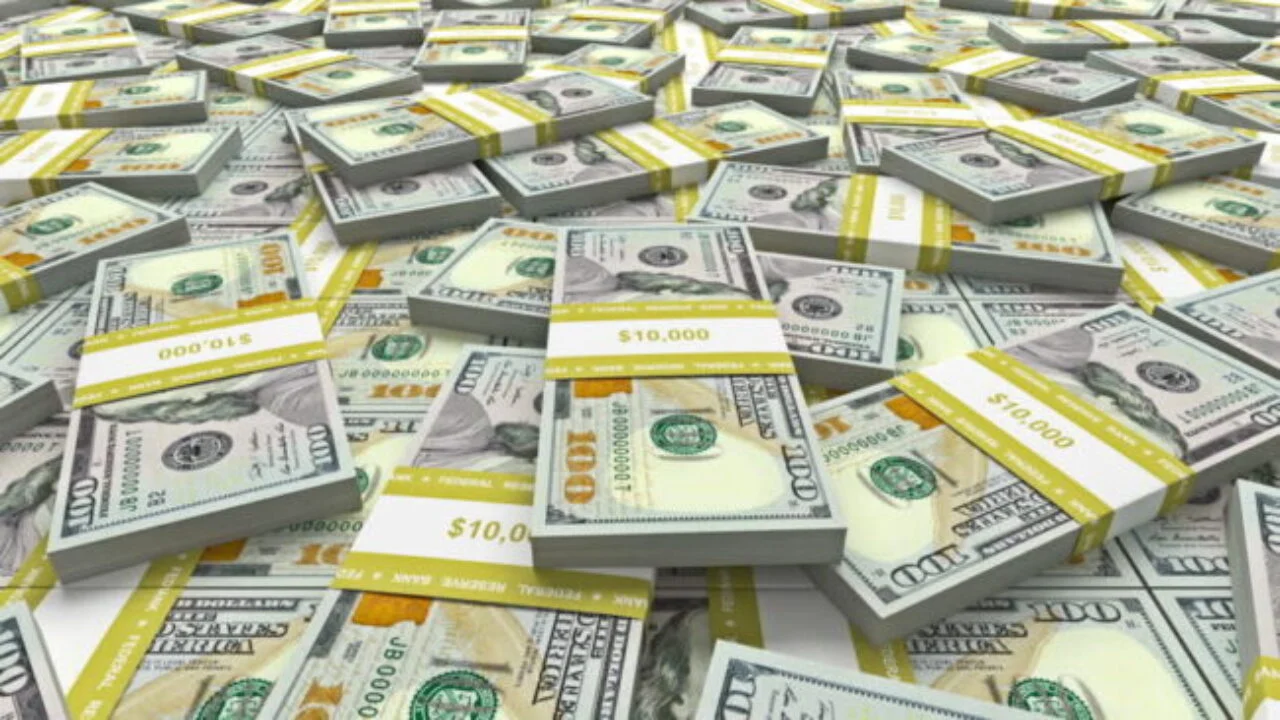
The Federal Reserve is widely expected to keep interest rates unchanged on Wednesday, as it navigates a complex economic landscape shaped by war-driven oil shocks, persistent inflation and emerging signs of weakness in the U.S. economy.
Officials began their two-day policy meeting on Tuesday, with a decision due later on Wednesday. Alongside its rate announcement, the central bank will publish its closely watched quarterly outlook, offering fresh projections on growth, inflation and unemployment figures that investors suspect could be revised lower in light of recent developments.
After cutting rates three times last year, the Fed has since paused, holding borrowing costs steady at its last meeting. Now, policymakers face a more difficult balancing act.
The central bank’s dual mandate keeping inflation near two percent while supporting maximum employment is being tested from both sides.
On one hand, escalating tensions involving Iran and the United States have driven oil prices higher, raising the risk of renewed inflation. On the other, economic indicators are beginning to flash warning signs, suggesting growth may be slowing.
“The Fed is in a really tough spot right now,” said economist Nicole Cervi of Wells Fargo, noting that policymakers are struggling to meet either of their core objectives.
Although inflation has fallen significantly from its pandemic-era peak of 9.1 percent, it remains above target, continuing to strain household budgets. Economists warn that if the conflict drags on, rising energy costs could push inflation back above four percent.
That risk is already being felt at the pump. Average gasoline prices in the U.S. have surged sharply since the outbreak of hostilities, adding pressure on consumers and complicating the Fed’s path forward.
Some analysts argue that the recent trend could force the central bank to adopt a more aggressive stance.
Gregory Daco, chief economist at EY-Parthenon, believes inflation is drifting further from the Fed’s goal, increasing the likelihood that policymakers may need to tighten policy again rather than ease it.
But raising rates carries its own dangers.
Recent labor market data has raised concerns about underlying weakness. The U.S. economy unexpectedly shed 92,000 jobs in February, while unemployment ticked up to 4.4 percent. Beneath the surface, economists say hiring demand is slowing, with wage growth cooling and job creation losing momentum.
There are also structural factors at play. A decline in labor supply—partly linked to stricter immigration policies under Donald Trump—has masked some of the softness in hiring, making the labor market appear more stable than it actually is.
Adding to the uncertainty is the broader economic impact of the war. Businesses, facing unpredictable costs and supply disruptions, are becoming more cautious.
“Uncertainty acts as its own tax on the economy,” said Diane Swonk of KPMG, explaining that companies often respond by freezing hiring and delaying investment.
Recent revisions to GDP data have only reinforced those concerns, with growth in late 2025 coming in weaker than previously estimated.
Before the conflict escalated, markets had expected the Fed to begin cutting rates as early as summer. Now, expectations have shifted dramatically. Investors are increasingly betting that any rate cut will come later—and may be limited to just one move before the end of the year.
Even that outlook remains uncertain.
Economists warn that the longer the conflict continues, the greater the risk of broader supply chain disruptions extending beyond energy. Nobel laureate Joseph Stiglitz has pointed to potential knock-on effects in sectors like fertilizer, which could drive up global food prices and add another layer of inflationary pressure.
Stiglitz has also cautioned that the U.S. economy was already edging toward stagflation, a troubling mix of rising prices and slowing growth—even before the latest war.
Against this backdrop, divisions within the Fed itself could become more pronounced.
While most policymakers are expected to support holding rates steady for now, some analysts believe the current environment could lead to a wider split in outlooks, with a few officials even considering the possibility of future rate hikes if inflation proves more persistent than expected.
For now, the Fed appears set to wait. But as war, inflation and economic uncertainty continue to converge, the path ahead is becoming increasingly difficult to predict and far more difficult to manage.
About the Author